

Why Exterior Paint Fails: Peeling, Blistering, Cracking, and Chalking Explained
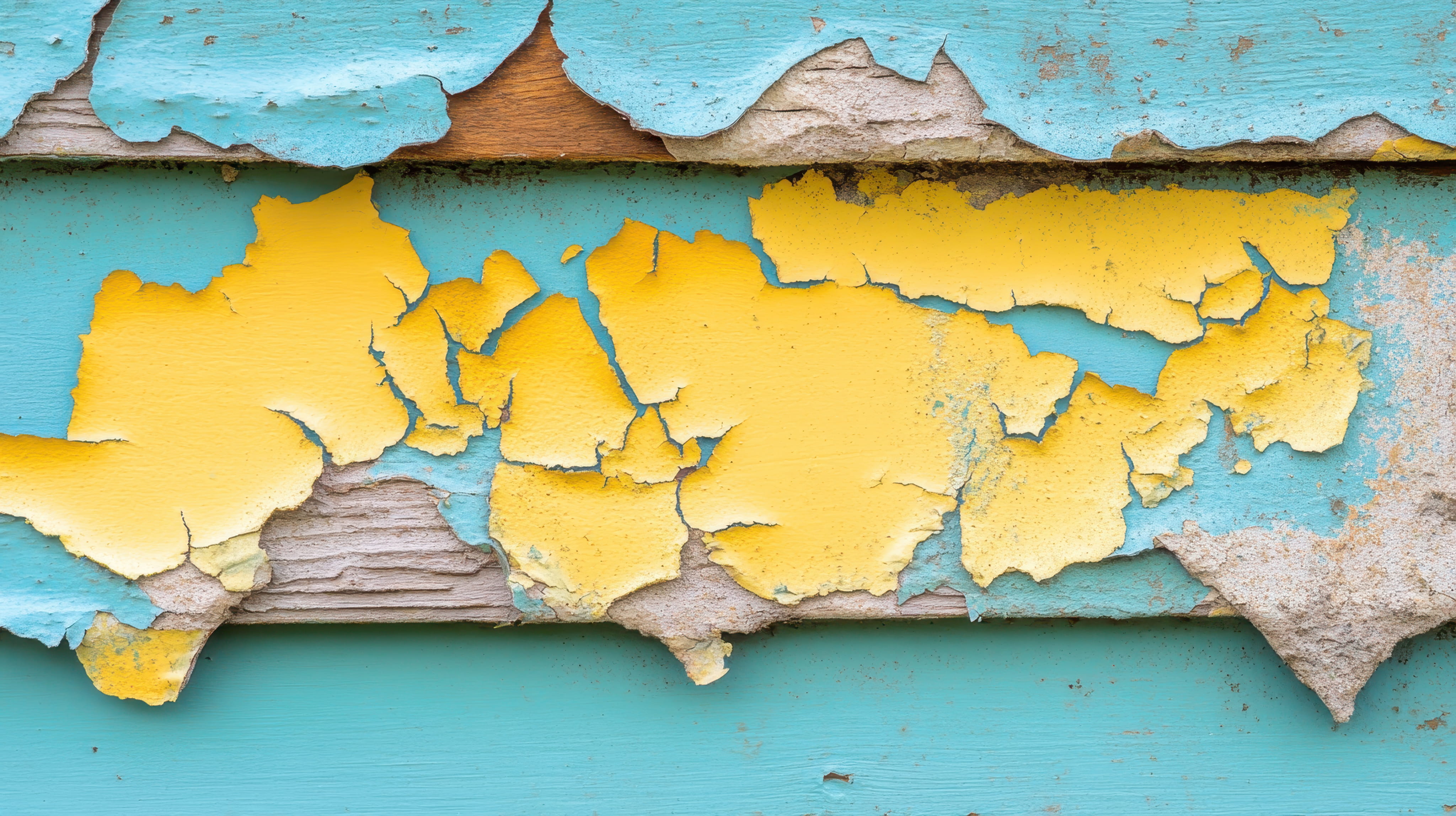
Exterior paint doesn't just wear out. When it fails early, it usually fails for a reason, and the way it fails tells you what went wrong. Peeling, blistering, cracking, chalking, and mildew each point to a different cause, from moisture and poor preparation to cheap paint and old age. Reading these signs correctly matters, because repainting without fixing the cause means the same failure will return, sometimes within a year or two. Understanding the common types of paint failure helps you diagnose problems, choose the right repair, and make sure your next paint job lasts.
Why Diagnosis Comes Before Painting
Many homeowners see a failing finish and simply plan to paint over it. But paint is only the visible layer of a system that includes the surface, the preparation, the primer, and the weather conditions. If any of these failed, a fresh coat of paint will fail too. Identifying the cause first saves money and frustration.
Peeling Paint
Peeling happens when paint loses adhesion and lifts from the surface in flakes or sheets. Common causes include moisture behind the paint, painting over dirty or glossy surfaces, using incompatible products, and poor preparation. Peeling that occurs in layers suggests that previous coats also failed, which points to a persistent underlying problem.
Where It Peels Tells You Why
Peeling near the bottom of walls, around windows, and under eaves often signals moisture from splashing, leaks, or humidity. Peeling on sun-exposed walls may indicate old, brittle paint or poor adhesion. Peeling on trim and joints can mean that water is getting in at gaps. Look at the pattern, not just the problem.
Blistering
Blisters are raised bubbles under the paint film. They're caused by moisture or heat that pushes the paint away from the surface. Painting in direct hot sun, painting damp wood, or moisture moving through the wall can all lead to blistering. Cutting open a blister can show whether it reaches bare wood, which suggests moisture, or only a lower layer of paint, which suggests a heat or adhesion issue.
Cracking and Alligatoring
Cracking occurs when the paint film becomes brittle and can't move with the surface. Alligatoring is a more severe pattern that looks like reptile skin, usually caused by applying a hard coat over a softer one, or by too many layers. Old oil-based paint is a common culprit. Cracks let water in, which accelerates damage.
Chalking
Chalking is a powdery residue that appears on the surface as paint breaks down from UV exposure. A little chalking is normal on older paint, but heavy chalking indicates a low-quality product or the end of the paint's life. Painting over chalk without cleaning prevents adhesion, so the surface must be washed first.
Fading
Fading occurs as sunlight breaks down pigments. Dark and bright colors fade faster, especially on south and west walls. Fading isn't a structural failure, but it signals aging paint. Choosing high-quality, fade-resistant products and lighter colors in intense sun helps.
Mildew and Mold
Mildew shows up as dark or green spots in damp, shaded areas. It's an organic growth that feeds on dirt and moisture on the paint surface. It can be cleaned, but if it returns quickly, there may be moisture or ventilation problems. Painting over mildew without killing it leads to regrowth.
Staining and Bleeding
Rust, tannin, and other stains can bleed through paint. Tannins from cedar and redwood create brown stains, and rusting nails leave streaks. A stain-blocking primer prevents bleeding. Fixing the source, such as replacing corroded fasteners, keeps stains from returning.
Lap Marks and Uneven Sheen
Lap marks happen when overlapping paint dries unevenly, leaving visible lines. They come from painting in hot, dry conditions, letting edges dry before blending, and using low-quality paint. Good technique and weather timing prevent them.
Efflorescence on Masonry
Efflorescence is a white, powdery salt deposit that appears on brick, stucco, and concrete as moisture moves through. It can push paint off the surface. It must be cleaned and the moisture source addressed before repainting.
Moisture: The Most Common Cause
Water is behind most paint failures. It can come from leaking gutters, failed caulk, missing flashing, plumbing leaks, sprinklers hitting the wall, poor drainage, and humidity moving through the wall. Fixing moisture problems is the single most important step.
Poor Preparation
Skipping cleaning, scraping, sanding, and priming is another common cause. Paint can't stick to dirt, chalk, mildew, or loose paint. A careful professional spends more time preparing than painting.
Wrong Product for the Surface
Using interior paint outdoors, skipping masonry primer on stucco, or painting vinyl with the wrong colors can cause quick failure. Each surface needs the right primer and paint. Check the label and manufacturer's guidance.
Applying Paint in Poor Weather
Painting too early or late in the day, in high humidity, or just before rain can cause problems. Surfaces should be dry, and temperatures should fall within the product's range. Weather-related failures are preventable with good scheduling.
Applying Paint Too Thick or Too Thin
Thin coats lack protection, while thick coats can sag, crack, and trap solvents. Proper film thickness comes from applying the correct amount of paint, with appropriate coats and drying time.
Old Layers and Build-Up
Decades of paint can build up and become heavy and brittle. At some point, scraping or stripping to bare wood is the only way to get a reliable finish. This is labor-intensive but extends the life of the next paint job.
Lead Paint Considerations
Homes built before the late 1970s may have lead-based paint. Scraping and sanding can create hazardous dust. Contractors should follow lead-safe work practices when required, and homeowners should ask about testing. Safe handling protects families and workers.
Fixing Peeling the Right Way
Scrape off loose paint, sand edges smooth, clean the surface, spot prime bare areas, and repair any moisture issues. Then apply two coats of quality paint. Painting over unscraped, peeling paint will fail again.
Fixing Blisters and Cracks
Open blisters to find the cause, remove loose paint, allow wood to dry, repair underlying issues, then prime and paint. Cracked or alligatored paint usually needs to be removed back to a stable layer or bare surface.
Cleaning Chalk and Mildew
Wash chalky surfaces thoroughly, and rinse until the residue is gone. Treat mildew with an appropriate cleaner, rinse well, and let the surface dry. Address causes such as shade, humidity, and sprinklers.
Choosing Paint That Lasts
High-quality 100 percent acrylic exterior paints offer better adhesion, flexibility, and fade resistance. They cost more but deliver better value over time. Match the product to the surface, and follow the manufacturer's instructions.
When to Strip to Bare Surface
If most of the paint is failing, or layers are thick and cracked, stripping to bare wood or masonry may be needed. It's more work, but it gives a clean slate. A professional can assess whether partial repair or full stripping is better.
Maintaining Your Paint
Wash the house periodically, maintain caulk, fix leaks promptly, keep plants and sprinklers away from walls, and touch up chips. Regular upkeep extends the life of paint.
Choosing a Painter Who Diagnoses First
Ask any painter what caused your paint to fail, and how they'll prevent it from happening again. A good painter looks at moisture, prep, and products, and explains the plan. A painter who only talks about color and price may be skipping the most important step.
Climate and Exposure
Hot, sunny exposures break down paint faster, while damp, shaded areas encourage mildew. A home often shows different problems on different sides, with the south and west walls fading and chalking and the north wall growing mildew. Treat each side according to its conditions rather than assuming one fix fits the whole house.
Using a Moisture Meter
A moisture meter shows whether wood or siding is dry enough to paint. Painting wood that is too wet traps moisture and leads to blistering and peeling. Professionals check readings before starting, and wait when conditions aren't right.
Warranties and What They Cover
Paint warranties usually cover product defects, not preparation or moisture problems. Ask what a painter's workmanship warranty covers and what it excludes. A clear warranty indicates a contractor who stands behind the work.
Cleaning Before You Repaint
Even sound paint needs a thorough wash before recoating. Dirt, chalk, and mildew interfere with adhesion and show through new paint. A gentle wash with the right method for your siding, followed by complete drying, sets up a long-lasting finish.
Keeping Notes for Next Time
Record what paint, primer, and color were used, along with the date and any problems you noticed. If failure appears again, the history helps your painter identify patterns and avoid repeating mistakes.

Is your exterior paint peeling, blistering, or chalking? Our painters find out why, fix the moisture and prep problems first, then prime and paint with products matched to your surface, so your next finish lasts. You'll get a clear written scope and an honest explanation. Get your free exterior painting estimate today.

Karter & Co


