

Why Drywall Cracks Keep Coming Back: Stress Cracks, Truss Uplift, and Lasting Repairs
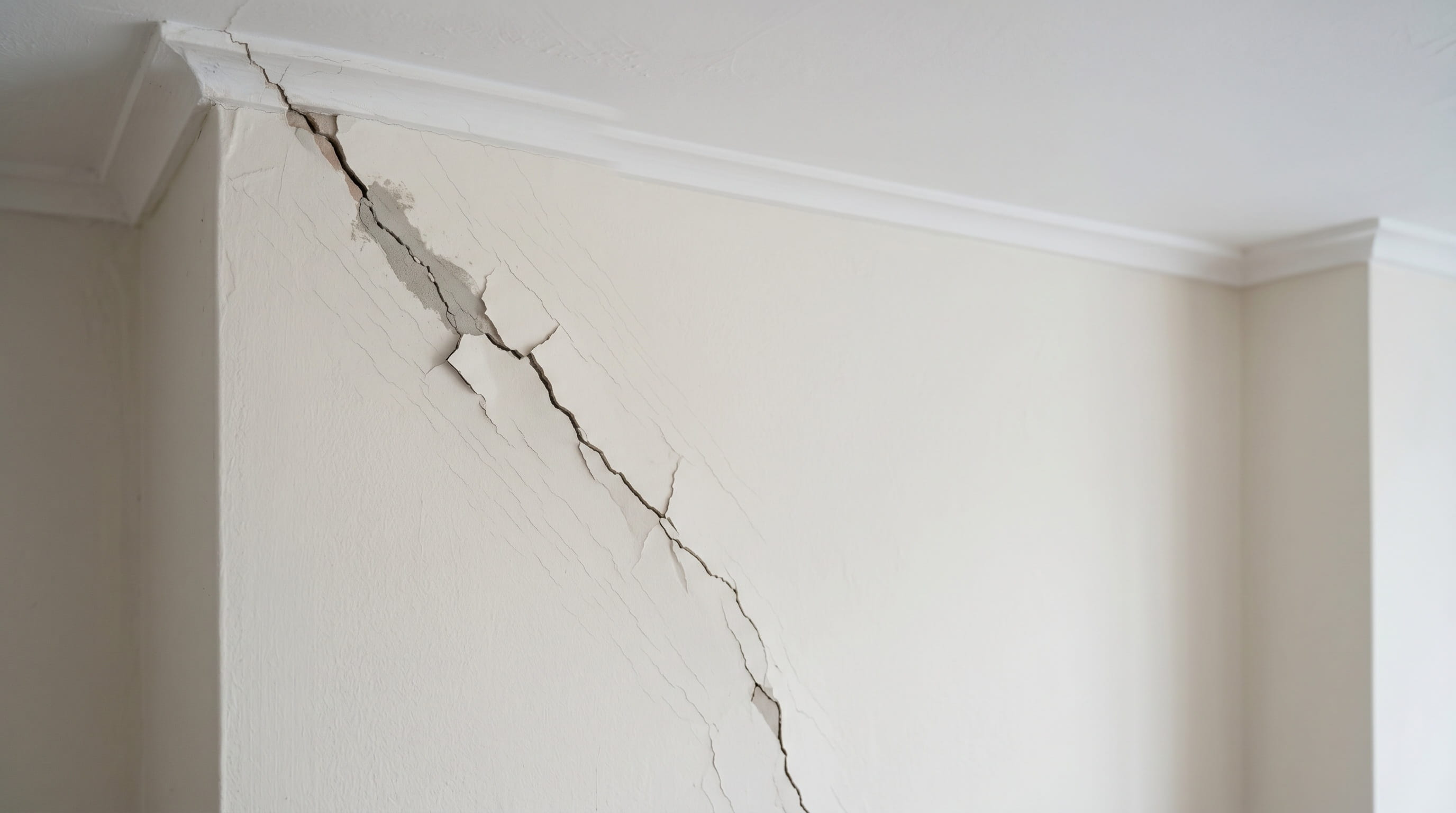
You patch a crack in the ceiling, paint it, and a few months later, it's back, a thin line running along the same path. It's one of the most common frustrations in drywall repair, and it usually means the patch fixed the symptom without addressing the cause. Cracks in drywall form for a reason: movement in the framing, humidity changes, temperature swings, settling, or poor original finishing. Some cracks are cosmetic and can be repaired lastingly with the right technique. Others signal something more serious that needs attention. Understanding the types and causes helps you decide what to repair, how to repair it, and when to call for help.
Why Drywall Cracks
Drywall is rigid and brittle, while the framing behind it moves with the seasons and the life of the house. Wood expands and contracts with moisture, houses settle, and temperature changes cause materials to shift. Where the rigid surface can't flex with the framing, it cracks, most often at joints, corners, and openings.
Hairline Cracks
Hairline cracks are very thin lines, often along seams or corners. They're usually caused by minor movement, drying, or humidity changes, and they're mostly cosmetic. They can often be repaired with flexible filler or caulk, though they may recur if the movement continues.
Cracks Along Taped Seams
Cracks that follow a straight line along a seam usually indicate a problem with the tape or compound at the joint, such as insufficient compound, missing tape, or movement. Re-taping and feathering often corrects them. A seam that cracks repeatedly may point to framing movement.
Cracks at the Ceiling-Wall Corner
Cracks along the line where the ceiling meets the wall are very common. They often result from seasonal movement of the roof framing and from the rigid, taped joint that can't flex. Flexible caulk or a floating corner detail reduces recurrence.
Truss Uplift
Roof trusses can move with seasonal changes in temperature and humidity, lifting slightly and pulling ceiling drywall away from interior walls. This creates cracks or gaps where the ceiling meets partition walls, often noticeable in winter and diminishing in other seasons. It's common in homes with trussed roofs.
How Truss Uplift Happens
The bottom chord of a truss can be exposed to different temperature and moisture conditions than the top chord, which sits in the attic. As the wood expands, contracts, and bows, the truss rises and falls. Ceiling drywall fastened to the truss moves with it, while walls below stay put.
Floating Corner Techniques
Installers can minimize truss uplift cracking by leaving the ceiling drywall unattached near interior partition walls, supporting it with clips or backing so it can move. Existing cracks can be mitigated by re-detailing the joint with flexible materials. A professional can evaluate if your home suits this approach.
Cracks at Door and Window Corners
Diagonal cracks radiating from the corners of doors and windows are common, because these corners concentrate stress. Settling, framing shrinkage, and door slams can cause them. Reinforcing with mesh tape and compound, or repairing with proper techniques, helps. Recurrent large cracks may signal structural movement.
Cracks From Settling
New homes settle as framing dries and soil compacts, causing cracks in the first few years. Older homes may settle due to changes in soil moisture and foundation conditions. Minor settling cracks are common, but large, growing, or stair-step cracks deserve professional evaluation.
Nail and Screw Pops
Fasteners can push through the surface as framing dries and shrinks, creating bumps or circular cracks. Re-securing the drywall with new screws nearby, then finishing, is the usual fix. Many pops appear within a few years of construction.
Cracks From Humidity and Temperature
Seasonal humidity changes cause wood and drywall to expand and shrink at different rates. Cracks may open in dry winter months and close in summer. Controlling indoor humidity reduces movement and helps repairs last.
Cracks From Water Damage
Water causes drywall to swell, soften, and crack. If a crack accompanies stains, bubbling paint, or a musty smell, there may be a leak. Find and fix the source before repairing the surface. Water-damaged drywall may need replacement.
Structural Warning Signs
Wide cracks, cracks that grow, cracks that appear suddenly, stair-step cracks in exterior brick, sticking doors and windows, and uneven floors can indicate foundation or structural problems. These need evaluation by a structural professional, not just a drywall repair.
Diagnose Before You Repair
Look at the crack's location, width, direction, and pattern. Note when it appeared and whether it changes with the seasons. Photographs over time help. Understanding the cause guides the repair.
Basic Repair for Hairline Cracks
For hairline cracks, scrape loose material, apply a flexible patching compound or crack filler, feather the edges, sand smooth, prime, and paint. Using flexible products rather than rigid spackle improves the chance of lasting.
Repairing Cracks With Tape
For larger cracks and seams, embed fiberglass mesh or paper tape in joint compound, cover with thin coats, feather wide, sand, and finish. Tape adds strength across the crack. Wide feathering hides the repair.
Using Flexible Caulk at Angles
At the ceiling-wall angle and other joints that move, paintable flexible caulk accommodates movement better than rigid compound. Applied neatly, it looks clean after painting. It's a common professional solution for recurring corner cracks.
Crack-Isolation Membranes
Some products create a flexible layer over a crack, preventing movement from telegraphing through paint. They're used in more stubborn situations, particularly with repeated cracking. A professional can apply them as part of a repair system.
Why Spackle Alone Fails
Lightweight spackle fills but doesn't bridge movement. When the crack opens again, so does the patch. Matching the repair method to the cause is more important than simply filling the line.
Priming and Painting Repairs
Repairs should be primed to seal the patch, and painted with matching paint. Painting just the patch often shows flashing, so painting the entire wall or ceiling section gives a better result. Elastomeric or flexible paints may add some crack resistance.
Textured Surfaces
Cracks in textured walls and ceilings need texture matched after repair. This requires skill to blend the pattern. A mismatch becomes more noticeable than the crack itself.
New Construction Warranty
Builders often warrant against minor cracks and nail pops for a period, with one-time repair visits. If your home is new, ask about the warranty and its timing. Waiting until framing has stabilized before repair can improve results.
Seasonal Timing for Repairs
If cracks open in winter, repairing them in the season when the gap is widest and then repainting can reduce recurrence. Some contractors recommend waiting a full season cycle before final repair of movement cracks.
Preventing New Cracks
Maintain steady indoor humidity, keep the attic ventilated, repair leaks promptly, and use flexible products at joints that move. Good original construction practices such as proper fastener spacing and joint reinforcement also help.
DIY vs. Professional
Simple hairline cracks can be repaired by a careful homeowner, but recurring or structural cracks, large areas, and textured surfaces benefit from professional skill. A professional can diagnose, choose methods, and match finishes.
Cost Considerations
Crack repair costs vary with number, size, and surface type. Repairs that address the cause cost more initially but avoid repeated fixes. Ask for a clear scope that describes the method.
Questions to Ask a Contractor
What do you think is causing these cracks? How will you repair them so they don't return? Will you use tape, flexible caulk, or other methods? How will you match texture and paint? What do you warrant? Clear answers show diagnostic skill.
Using the Right Fasteners and Backing
Properly fastened drywall resists cracking. Screws should be spaced correctly and set just below the surface, and framing edges at corners need backing. Poor fastening near corners makes cracks more likely, so quality installation matters.
Controlling Attic Conditions
Because truss movement relates to attic temperature and humidity, good ventilation and insulation reduce swings. Keeping the attic ventilated and dry helps stabilize the framing and the ceiling below. Ask a professional to evaluate attic conditions if cracks are widespread.
Photo Logs and Monitoring
Mark the ends of a crack with a pencil and date, and take photos each season. If the crack grows beyond the marks, or new cracks appear, you'll have a record to share with a professional. Monitoring takes the guesswork out of whether a crack is moving.
Choosing the Right Compound
Setting-type compounds are harder and stronger, while lightweight premixed compounds sand easily but are softer. Flexible and reinforced products suit crack repair. Using the right compound for each coat produces a more durable repair.
Settling vs. Movement: Telling Them Apart
Settling cracks tend to appear early and then stop, while movement cracks open and close with the seasons. Knowing which you have tells you whether a one-time repair will hold or whether you need a flexible detail. A few months of observation often answers the question.

Tired of patching the same cracks? Our drywall team diagnoses why they keep coming back, from truss uplift to settling and humidity, then repairs them with tape, flexible joint materials, and matched texture and paint, and tells you honestly when a crack needs a structural opinion. Request your free drywall estimate today.

Karter & Co


