

Wallpaper Removal or Painting Over It: How to Decide and Do It Right
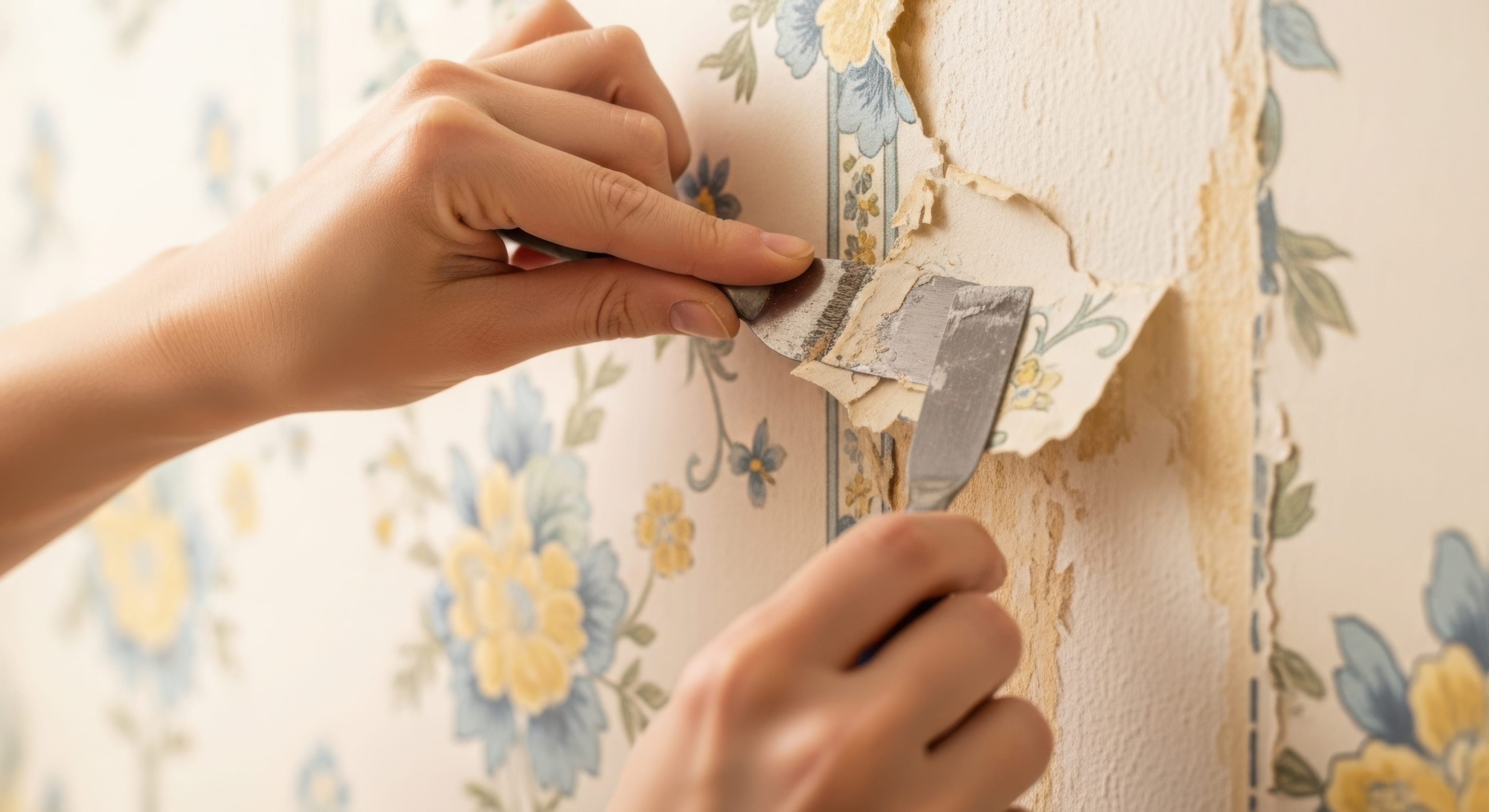
Wallpaper can be beautiful when it's fresh and a headache when it's dated, peeling, or stained. Many homeowners inherit it with a house and face the same question: remove it or paint over it? The honest answer is that it depends on the type of paper, how well it's stuck, and what's underneath. Painting over wallpaper looks like a shortcut, and sometimes it works, but it can also lead to bubbling, visible seams, and peeling within months. Removing it takes effort but gives you a clean, reliable surface. Understanding the options helps you choose the path that suits your walls and your budget.
Know What Kind of Wallpaper You Have
Wallpaper comes in several forms. Traditional paper is porous and often removed in pieces. Vinyl-coated paper has a plastic surface that resists moisture. Solid vinyl, fabric-backed, and grasscloth are heavier and trickier. Some modern papers are labeled strippable or peelable, which means they release cleanly. Identifying yours determines the removal method and whether painting over it is realistic.
Test a Corner
Start in an inconspicuous spot, such as behind a door or inside a closet. Lift a corner with a putty knife and gently pull. If the paper comes off in a large sheet leaving a clean wall, it's likely strippable. If it tears into small pieces or leaves backing behind, removal will take more work. A small test tells you a lot before you commit.
Check What's Under the Paper
Wallpaper may be applied to painted drywall, bare drywall, plaster, or paneling. If it was hung over unprimed drywall, the adhesive can bond to the paper facing, and pulling the wallpaper can tear the drywall surface. Primed or painted walls release more cleanly. Knowing the substrate helps you plan repairs.
When Painting Over Wallpaper Can Work
Painting over can be reasonable if the wallpaper is smooth, tightly adhered, in good condition, and not heavily textured. Seams must be flat, with no lifting edges. Even then, the surface needs to be properly prepared and primed. It's a compromise, since seams and patterns can still show through, and the paint can fail if the paper later loosens.
When Painting Over Is a Bad Idea
Avoid painting over peeling, bubbling, or water-stained wallpaper, heavily textured paper, grasscloth, fabric, or foil. Water-based paint can reactivate old adhesive and cause the paper to loosen or bubble. Layers of paper on top of each other also fail. If you plan to sell, buyers and inspectors often notice painted-over wallpaper.
The Risks of Painting Over
Moisture in paint can loosen the paper, creating bubbles. Seams may reopen as the paper shrinks or expands. Pattern and texture may telegraph through. Future removal becomes harder, since paint seals the paper and makes it difficult to soften. These risks are why many painters recommend removal when possible.
Preparing a Wall for Painting Over Wallpaper
If you proceed, clean the surface, glue down any lifting seams, sand edges smooth, and fill gaps with joint compound. Apply an oil-based or shellac-based stain-blocking primer, which seals the paper without activating the adhesive. Allow it to dry fully before finish coats. Skipping these steps leads to failure.
Removal Methods
Several approaches work depending on the paper. Dry stripping pulls off strippable layers. Scoring the surface and applying a removal solution softens the adhesive. Steamers use hot vapor to loosen stubborn paste. The best method depends on the paper type, the wall condition, and your tolerance for mess.
Scoring the Surface
On vinyl-coated and non-porous papers, water and solution can't reach the adhesive unless the surface is perforated. A scoring tool makes small holes without cutting deep into the wall. Light pressure is important, since scoring too hard gouges the drywall underneath.
Using Removal Solutions
Wallpaper removers, or a mix of warm water and fabric softener or a mild detergent, soak into the paper and soften the adhesive. Apply, let it sit, and then scrape gently with a wide putty knife. Work in sections so the solution doesn't dry before you remove the paper.
Steaming
A wallpaper steamer produces hot vapor that penetrates paper and loosens paste. It works well on stubborn, multilayer paper. Steam can damage drywall if held too long in one place, and it can burn skin, so careful technique and protective gear are needed.
Protecting Floors and Outlets
Water and solution can run down walls, damaging floors and electrical outlets. Cover floors with plastic and towels, turn off power to the room, and tape over outlets and switch plates. Safety matters, since water and electricity don't mix.
Removing Adhesive Residue
After the paper is off, a sticky film of adhesive usually remains. It must be washed off, or primer and paint won't adhere properly. Use warm water and a sponge or the recommended cleaner, and rinse thoroughly. Let the wall dry completely before moving on.
Repairing Drywall After Removal
Wallpaper removal often leaves gouges, torn paper facing, and rough patches. Fill holes, seal torn paper areas with a stain-blocking primer, skim coat as needed, and sand smooth. Walls with extensive damage may need a full skim coat to create an even surface.
Skim Coating for a Smooth Surface
A skim coat is a thin layer of joint compound over the whole wall that smooths imperfections left by wallpaper removal. It's labor-intensive, but it gives a flawless base for paint. Many professionals recommend it when walls are heavily damaged or textured.
Priming After Removal
Primer seals the repaired wall and gives paint a consistent surface to bond to. A quality primer prevents patchy absorption, which would show as dull or shiny spots. Choose one suited to the wall condition.
Painting Over a Properly Prepared Wall
With the surface clean, smooth, and primed, paint goes on like it would on any wall. Two coats of quality paint give the best coverage. Check the finish under raking light to catch any flaws before the paint dries.
Wallpaper Borders
Borders are often stuck with strong adhesive, and they can be removed like regular wallpaper. If they've been painted over, removal is harder. Peeling borders can be an easy starting point to test your wall's response.
Old Homes and Special Cases
Older houses may have multiple layers of wallpaper over plaster, or lead paint beneath. Scraping and sanding can create hazardous dust. If your home predates the late 1970s, ask about testing and lead-safe work practices. Plaster walls also react differently to moisture than drywall.
Mold and Moisture Behind Wallpaper
Wallpaper can trap moisture, creating mold behind it. If you see dark spots, a musty smell, or soft walls when you remove paper, find and fix the moisture source before repainting. Large mold areas should be evaluated by professionals.
Time and Mess
Removing wallpaper is slow and messy, often taking longer than people expect. A single room can take a day or two, plus repair and prep time. Plan for dust, water, and cleanup, and keep the room clear of furniture.
DIY or Professional
DIY removal is possible but physically demanding, and mistakes can damage walls. A professional works efficiently, protects your home, and repairs and primes walls properly. If the paper is stubborn or the walls are fragile, hiring help can save time and money.
Cost Considerations
Removal costs depend on the paper type, number of layers, wall condition, and amount of repair needed. Painting over costs less upfront but may cost more later if it fails. A professional can inspect and offer both options.
Questions to Ask a Painter
Will you test the paper? Can it be painted over reliably? What primer will you use? How will you repair the walls? What's the warranty? Clear answers show a painter who understands the risks.
Choosing Between Options
If the wallpaper is in good shape and you love the idea of a quick change, painting over may work with the right primer and prep. If it's damaged, outdated, or textured, removal is the better investment. Weigh cost, time, and the long-term result.
Wallpaper Seams and Pattern Repeat
When wallpaper is removed from a room with multiple patterns or focal walls, take photos before you start. If you plan to paint, you may want to keep a sample for color matching. Photos also help you remember outlet and switch locations that may need to be reopened and patched.
Choosing the Right Finish After Removal
Freshly repaired walls often show subtle flaws, so a flat or matte finish hides them best. Satin and eggshell are more washable but reveal imperfections. Discuss sheen with your painter, and consider the lighting in the room.
Keeping Leftover Wallpaper for Repairs
If you decide to keep wallpaper in part of the house, save leftover rolls and note the pattern and lot number. Matching an old pattern later can be difficult, and having spare paper makes repairs possible.

Not sure whether to strip or paint over your wallpaper? We test a corner, check what's behind it, remove paper and adhesive carefully, repair and skim the wall, and prime and paint for a smooth finish that lasts. You'll get both options priced honestly. Request your free interior painting estimate today.

Karter & Co


