

Wainscoting, Board and Batten, and Picture Frame Molding Explained
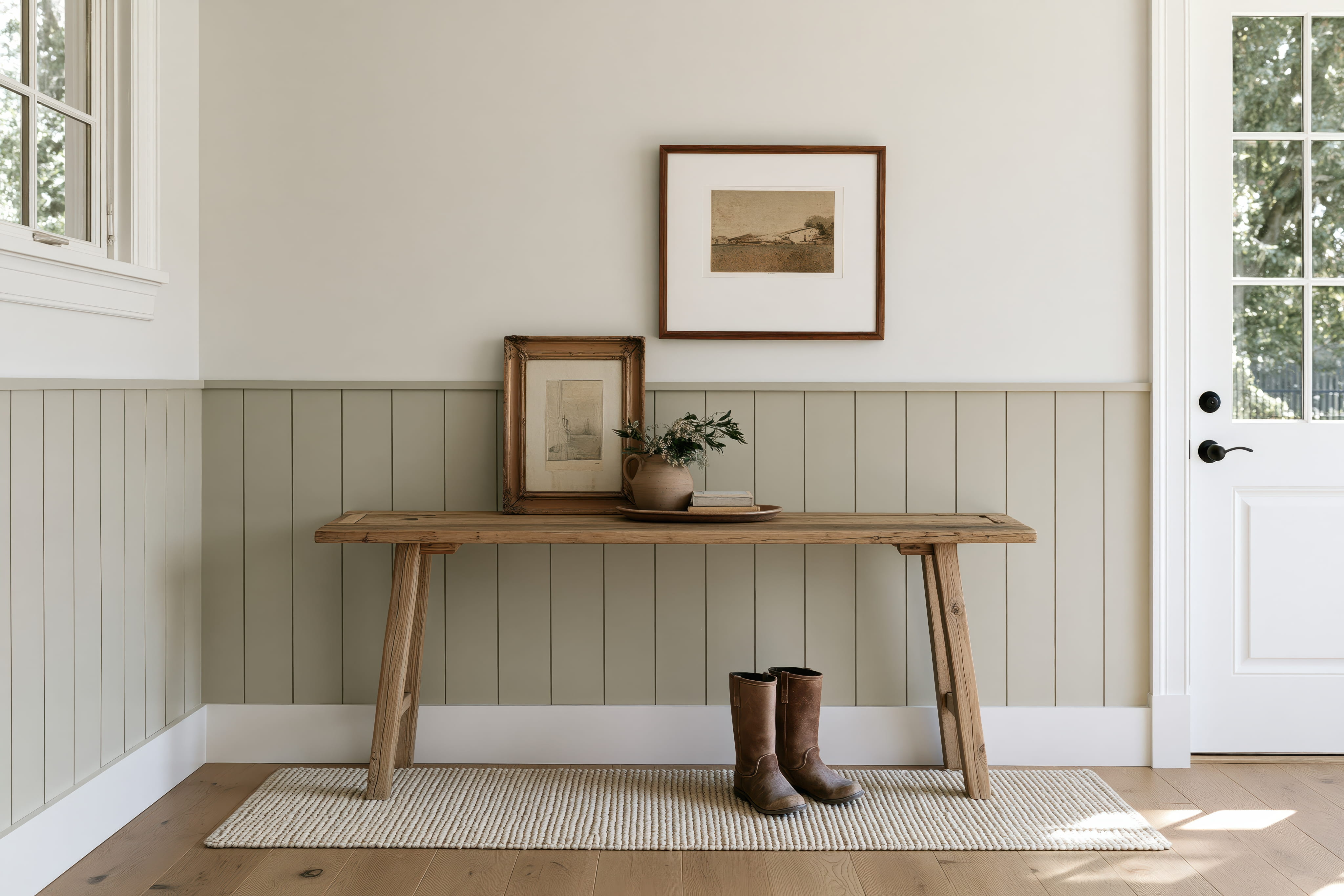
Wall trim goes beyond baseboards and crown. Wainscoting, board and batten, and picture frame molding add depth, texture, and character to otherwise plain walls. They can make a hallway feel custom, give a dining room a formal look, or add interest to a plain bedroom. Understanding the differences helps you choose the style that fits the room and the way you live.
What Is Wainscoting
Wainscoting is paneling applied to the lower portion of a wall, traditionally to protect it and add decoration. Styles range from simple raised panels to flat panels framed by molding. It brings a classic, tailored look and works well in dining rooms, entryways, and hallways.
What Is Board and Batten
Board and batten uses vertical boards, often with narrow strips called battens covering the seams. It has a clean, modern farmhouse feel and is popular in entryways, mudrooms, and accent walls. The design can be made with wide boards for a traditional look or evenly spaced battens for a contemporary one.
What Is Picture Frame Molding
Picture frame molding consists of rectangles of molding applied to the wall, creating framed panels. It can be used on the lower wall, the full wall, or as an accent. It suits formal and transitional interiors and is a relatively economical way to add detail.
Choosing a Style That Fits the Home
Traditional homes often suit raised-panel wainscoting or picture frame molding. Farmhouse and craftsman spaces pair well with board and batten or beadboard. Contemporary spaces can use simple, widely spaced battens or flat panels. Consistency with other trim keeps the room cohesive.
Choosing the Height
A common approach for wall paneling is to place the top rail roughly one-third of the way up the wall, though heights vary. Taller paneling can feel dramatic in rooms with high ceilings. Aligning the top rail with window sills or other horizontal lines often looks more intentional.
Materials
MDF panels and molding are economical and paint smoothly. Solid wood offers real grain and suits stained finishes. PVC products resist moisture and work well in bathrooms and damp areas. Beadboard comes in sheets or planks for a classic cottage feel.
Planning the Layout
Good layouts account for corners, doors, windows, and outlets. Evenly spaced panels or battens look better than uneven ones, so the layout is calculated to distribute spacing consistently. Planning this on paper, or marking the wall, avoids awkward narrow sections.
Handling Outlets and Switches
Electrical boxes need to be considered. Paneling thickness changes how far the box sits from the surface, and extensions or adjustments may be required. Planning for this prevents unsafe or unsightly results.
Preparing the Wall
Walls should be clean, sound, and ready for fastening. Locating studs helps with secure attachment, and construction adhesive is often used along with nails. Careful measuring and leveling keep lines straight.
Painting and Finishing
Most wall trim is painted, with caulking at joints and filled nail holes for a seamless look. Semi-gloss or satin finishes are durable and easy to clean. Darker colors can create a dramatic effect, while white or light colors feel crisp and traditional.
Where It Works Best
Entryways and mudrooms benefit from the durability of lower wall trim. Dining rooms feel more formal with wainscoting or picture frame. Bedrooms and living rooms gain character from accent walls. Stairways can use paneling along the wall to add detail to an otherwise blank space.
Moisture and Bathrooms
In bathrooms and laundry rooms, moisture-resistant materials are important. PVC or properly sealed products hold up better than standard MDF, which can swell if it gets wet.
Cost Factors
Material, wall length, height, layout complexity, and finishing influence price. Custom designs and solid wood increase cost, while simple board and batten or picture frame can be economical.

Want to add depth and character to your walls? We'll help you choose a style, plan the layout, and install clean, tight, paint-ready trim. Request your free wall trim estimate today.

Karter & Co


