

Updating Cabinet Style Without Replacing Them: Shaker Doors, Added Trim, and Crown
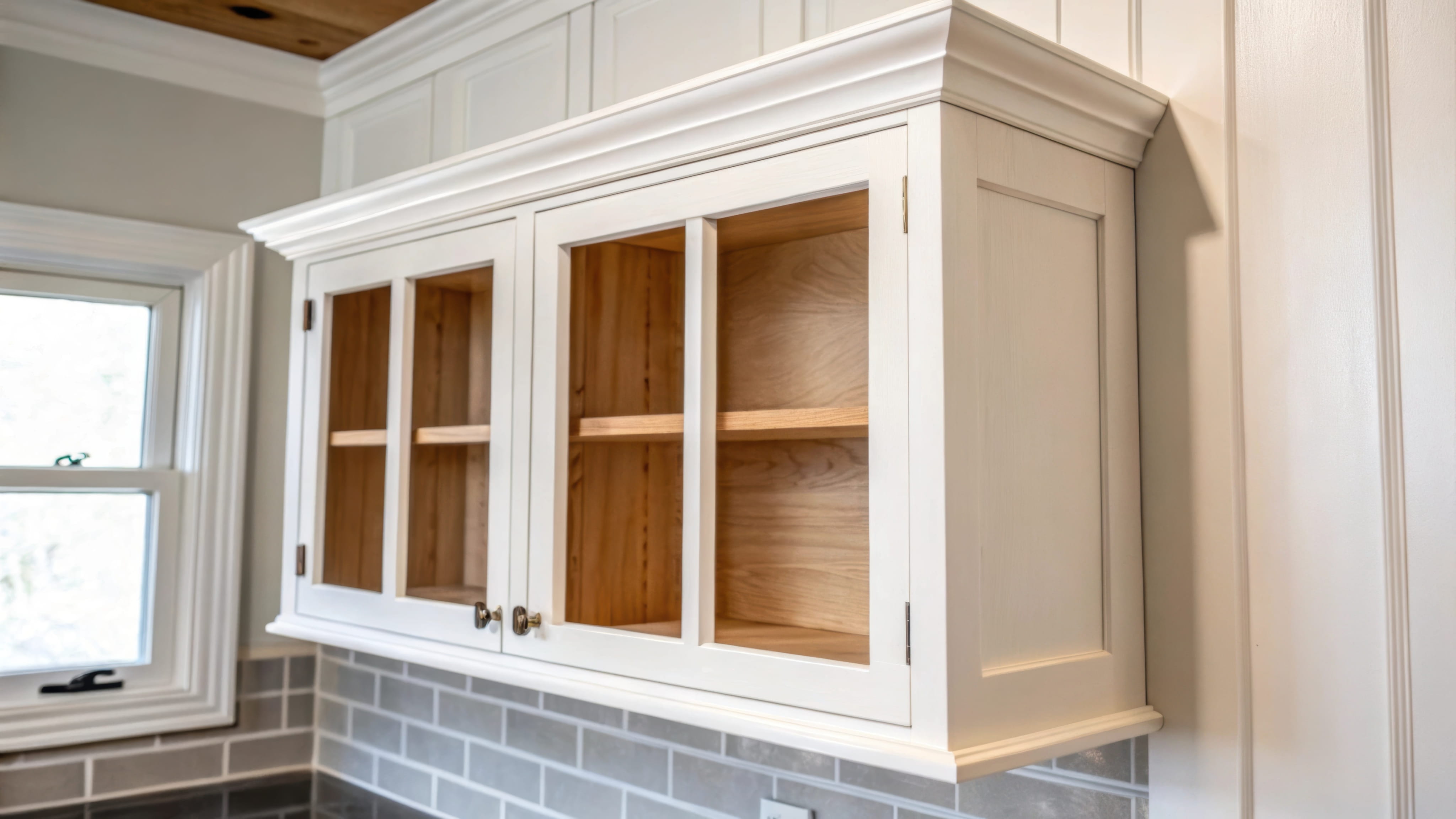
Paint changes the color of a kitchen, but it doesn't change its style. If your cabinets have dated raised-panel doors, flat slab doors that feel too plain, or no trim to speak of, a coat of paint alone may leave the kitchen looking updated but not transformed. The good news is that cabinet boxes are often in good shape, and there are several ways to change the look of the doors, add architectural detail, and make stock cabinets look custom without tearing everything out. These upgrades combine carpentry and finishing, and they can deliver the look of a remodel for a fraction of the cost.
Why Style Matters Beyond Color
Cabinet doors, trim, and details define a kitchen's character. Traditional kitchens use raised panels and decorative moldings, modern ones use flat slab doors, and transitional and farmhouse kitchens often use Shaker-style doors with a simple recessed panel. Updating style means changing these elements, not just their color.
Start With the Cabinet Boxes
Before investing in style updates, check the condition and layout of the boxes. If they're solid, well-built, and the layout works for you, updating the doors and trim is cost-effective. If the boxes are damaged or the layout is poor, replacement may make more sense.
Replacing Doors and Drawer Fronts
Replacing the doors and drawer fronts with new ones in a different style is one of the most dramatic upgrades. New doors can be purchased unfinished or pre-finished, custom made to fit your openings. Shaker, flat panel, glass, and beadboard styles are common. The existing boxes are refinished or painted to match.
Shaker Style
Shaker doors have a flat center panel surrounded by a simple frame, which gives a clean, timeless look that suits many kitchens. They work with painted and stained finishes and pair well with a variety of hardware. They're one of the most popular choices for kitchen updates.
Flat Slab Doors
Slab doors have no frame or panel details. They give a sleek, modern look. They're less forgiving of imperfections in the wood or paint, so they need excellent finishing. Slab doors suit contemporary and minimalist kitchens.
Adding Shaker Detail to Slab Doors
Existing slab or flat doors can sometimes be converted by applying thin molding to create the look of a Shaker frame. This is cheaper than new doors, but it requires precise carpentry and careful finishing, and the result depends on the door's material and condition.
Updating Raised Panel Doors
Raised panel doors can sometimes be flattened by removing the panel and replacing it with a flat insert, but this is labor-intensive. In many cases, replacing the doors is more practical. A carpenter can evaluate the construction.
Glass Door Inserts
Replacing some upper cabinet doors with glass-front doors adds visual interest and shows off dishes. Glass can be clear, frosted, or patterned. Lighting inside the cabinet adds drama. The cabinet interior needs to be finished and organized.
Open Shelving
Removing a few upper doors and installing open shelves creates an airy look and breaks up a wall of cabinetry. It works well near the sink or in a corner. Open shelves require tidy styling and extra cleaning.
Adding Crown Molding
Crown molding on top of wall cabinets gives them a built-in, finished look. It hides gaps between the cabinet tops and the ceiling and can be extended to the ceiling for a custom look. Crown must be installed carefully to follow uneven ceilings and match the cabinet style.
Light Rail Molding
Light rail is a trim piece along the bottom of wall cabinets that hides under-cabinet lighting and adds detail. It gives upper cabinets a finished edge and makes the cabinet look more substantial.
Toe Kick and Base Details
Toe kicks and base trim at the bottom of base cabinets can be updated, replaced, or extended to resemble furniture feet. Matching the floor and cabinet finish creates a cohesive look. Damaged toe kicks should be replaced.
Furniture-Style Details
Decorative feet, corbels, legs, and panels on the island or end of cabinet runs give a furniture look. These details work well on islands and visible end panels, adding character without replacing the cabinets.
End Panels and Filler Strips
Exposed cabinet ends often show plain, unfinished sides. Adding decorative end panels that match the doors makes cabinets look custom. Filler strips close gaps between cabinets and walls, and they should be matched in finish and style.
Beadboard and Paneling
Beadboard panels applied to cabinet ends or island backs give a cottage or farmhouse look. They're relatively inexpensive and add texture. They need to be properly sealed and finished.
Hardware as Style
New pulls and knobs change the character of cabinets. Matte black suggests modern or farmhouse, brass suggests traditional or transitional, and brushed nickel remains classic. Hardware is the final touch that ties the style together.
Finishing Details Matter
Paint color, sheen, and application quality determine whether new doors and trim look high end. Smooth, even coats, tight joints, and careful caulking create a custom look. Cheap-looking finishing undermines new details.
Matching New and Old
If you replace some doors and keep others, the finish must match perfectly. Often it's best to replace all doors and drawer fronts at once, or refinish everything together for consistency.
Measuring and Ordering Doors
Accurate measurements are critical. Doors must fit the openings with the right overlay and hinge boring. Mistakes lead to doors that don't fit. A professional measures carefully and orders the correct style and size.
Hinges and Hardware Compatibility
New doors may require new hinges, and old holes may need to be filled. Matching hinge types and overlays prevents alignment problems. Soft-close hinges can be added during the update.
Lead Time and Scheduling
Custom doors can take weeks to arrive, which affects your timeline. Plan ahead and schedule painting or installation when materials are ready. A professional can coordinate ordering and installation.
Cost Compared to Replacement
Updating doors, adding trim, and refinishing typically costs a fraction of replacing cabinets, though costs vary with kitchen size and design. Compare quotes for door replacement, refacing, and full replacement to find the best value.
When Replacement Makes More Sense
If cabinet boxes are water-damaged, poorly built, or don't suit your layout, replacing them may be wiser. A professional can help you decide based on condition and goals.
Design Tips
Choose a style that matches your home's character and your long-term plans. Keep details consistent, such as using the same door style throughout. Bring photos of kitchens you like, and ask for samples.
Painting and Finishing the New Look
Once new doors and trim are installed, the entire kitchen should be finished as a system. Priming, sanding, caulking joints, and applying durable cabinet paint in even coats create a seamless result. Consistent color and sheen across old and new parts is essential.
Caulking and Filling Gaps
Trim pieces and new doors need caulk at joints and wood filler at nail holes before painting. Careful filling and sanding hides seams so the cabinets look built-in. This step often separates a custom look from a rushed one.
Lighting Under and Inside Cabinets
Updating cabinet style is a good time to add under-cabinet lighting or interior lights for glass doors. Lighting highlights details and improves function. Coordinate wiring and fixture placement with the carpentry schedule.
Matching the Style to Your Countertops and Backsplash
Door style should work with your countertops, backsplash, and flooring. Simple Shaker doors pair with many materials, while ornate profiles suit traditional stone and tile. Look at samples together to see how everything works.
Working Around Appliances and Plumbing
New doors and trim must fit around appliances, sinks, and plumbing. Measuring carefully and planning transitions avoids gaps and awkward cuts. A carpenter coordinates fit with the rest of the kitchen.
Living Without Doors During the Project
If doors are removed for painting or replacement, your cabinets will be open for several days. Plan to empty and cover contents, and arrange temporary storage. Ask how long the kitchen will be without doors.
Choosing Materials for New Doors
New doors can be solid wood, MDF, or paint-grade wood with a stable core. MDF is smooth and paints well but is vulnerable to moisture at edges, while solid wood moves with humidity. Ask which material suits your kitchen and your finish.
Protecting Your Investment
Quality hinges, bumpers, and a durable finish protect the new look from daily wear. Using felt or rubber bumpers prevents slamming damage, and cleaning gently keeps the finish fresh. A little care keeps updated cabinets looking new for years.
Matching Island and Perimeter Cabinets
If your kitchen has an island, consider giving it a different color or detail from the perimeter cabinets. A contrasting island can become a focal point, while matching creates a calmer look. Choose based on how you want the room to feel.

Want a new-looking kitchen without new cabinets? We evaluate your boxes, recommend new doors, trim, crown, and details that suit your home, handle the carpentry and the finish, and price each option clearly so you can choose what fits your budget. Get your free cabinet painting estimate today.

Karter & Co


