

TV Mounting, Shelves, Ceiling Fans, and Fixture Installation Done Right
Hanging, mounting, and installing things seems simple until the stud isn't where you expected, the anchor spins in the wall, or the shelf sits a quarter inch off level and bothers you every day. Installation jobs are some of the most common handyman requests because they combine small details with real consequences. A television that falls, a shelf that pulls out of drywall, or a fixture installed incorrectly can cause damage or injury. Understanding what proper installation involves helps you decide when to hire help and what to expect.
Why Installation Is Harder Than It Looks
Walls are not uniform. Behind the drywall you might find studs, pipes, wires, blocking, or empty cavities. Wall materials vary, from drywall to plaster to masonry, and each requires different anchors and techniques. Getting a secure, level, well-positioned installation means understanding the wall, the load, and the layout, not just owning a drill.
Mounting a Television
Television mounting involves choosing the right bracket, locating studs, positioning for comfortable viewing height, managing cables, and securing the mount to bear the weight. A mount fastened only into drywall can fail. Professionals use studs or appropriate anchors, verify weight ratings, level the mount, and conceal or organize cables for a clean look.
Hiding Cables Neatly
Visible cords can spoil the look of a mounted television. Options include in-wall cable kits, cord covers, and routing through cabinets. In-wall cable management requires care to avoid electrical hazards, and the correct components must be used. A professional can advise which method fits your wall and your equipment.
Installing Shelves and Floating Shelves
Shelves need to hold their load safely. Floating shelves require solid anchoring into studs or approved anchors, because the leverage on the bracket is significant. Standard shelves with brackets need correct spacing and secure attachment. Proper installation also accounts for level, spacing, and the weight of items that will be stored.
Hanging Mirrors and Heavy Artwork
Heavy mirrors and framed art can cause injury if they fall. They require hardware rated for their weight, secure attachment to studs or proper anchors, and careful positioning. Hanging multiple pieces in a gallery layout benefits from planning and measuring to achieve balanced spacing.
Ceiling Fan Installation
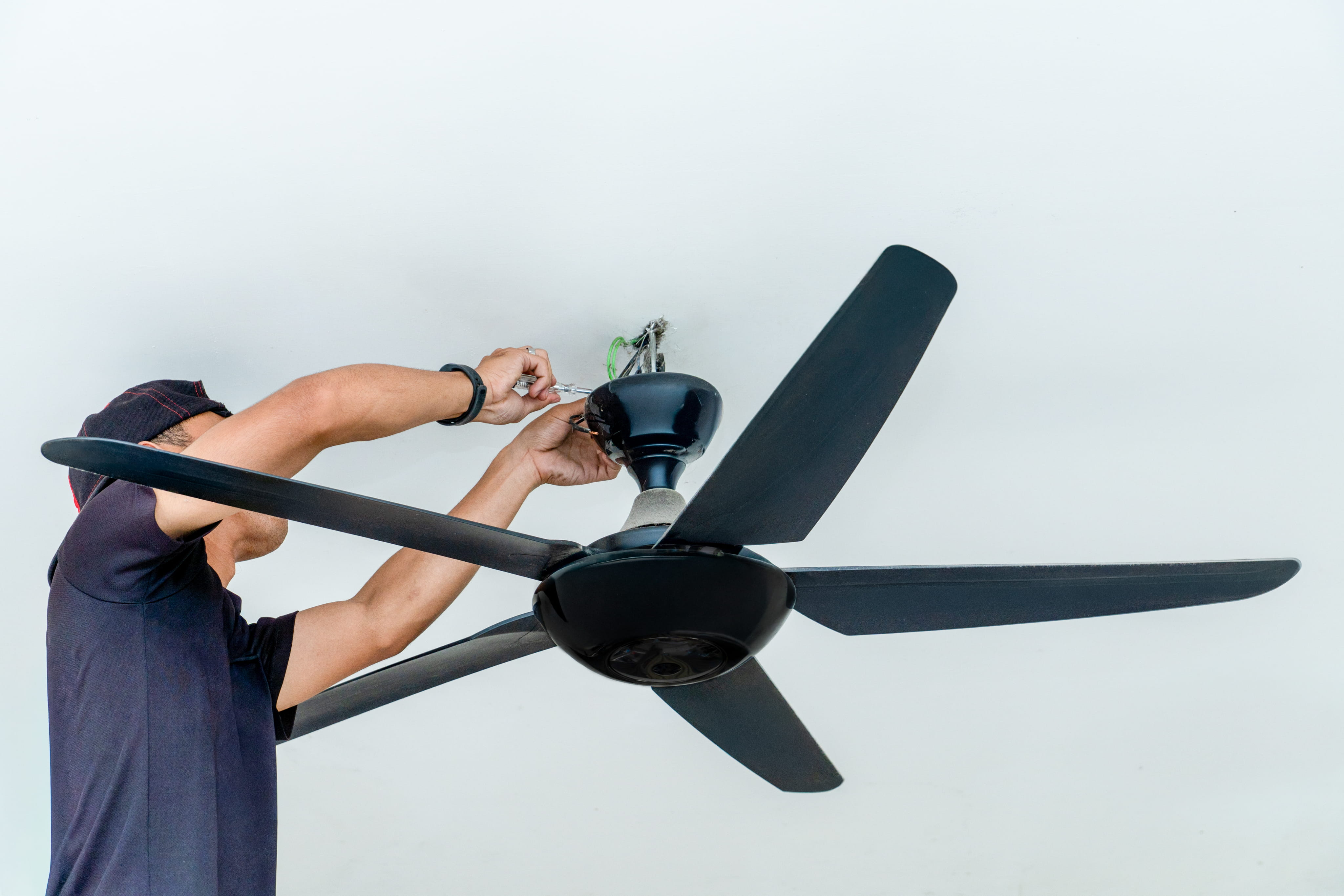
A ceiling fan must be installed on an electrical box rated for fan support, not a standard light box, because of weight and motion. Replacing an existing fan or fixture on a properly rated box is typically straightforward, but adding a fan where none existed involves electrical work that may require a licensed electrician. Balance, blade clearance, and secure mounting matter for safety and quiet operation.
Light Fixture Replacement
Replacing a light fixture with a similar one, where the wiring already exists, is a common handyman task. It involves turning off power, safely disconnecting the old fixture, securing the new one properly, and testing. Where wiring changes are needed, a licensed electrician may be required. Matching fixture weight to the box rating is also important.
Curtain Rods, Blinds, and Window Treatments
Window treatments need to be installed at the right height and width, with secure anchoring. Heavy curtains and wide spans need strong supports. Blinds and shades require accurate measuring and mounting to operate smoothly. Proper installation prevents sagging, uneven operation, and damage to window frames.
Door Hardware, Locks, and Handles
Replacing knobs, levers, deadbolts, and hinges improves function and security. Correct alignment of the latch and strike plate ensures smooth operation. Installing smart locks involves programming and testing in addition to mounting. A professional ensures that doors operate reliably and securely.
Cabinet Hardware and Adjustments
Replacing pulls and knobs, adjusting hinges so doors hang evenly, and installing soft-close mechanisms can refresh a kitchen or bathroom. Consistent spacing, alignment, and secure fastening make a visible difference. A template ensures uniform placement across multiple cabinets.
Furniture Assembly and Anchoring
Assembling furniture takes time and patience, and some pieces are heavy or complex. Anchoring tall furniture to walls prevents tipping, which is especially important with children. Professionals can assemble efficiently and secure items properly.
Smart Home and Device Installation
Doorbells, thermostats, cameras, and smart switches add convenience and security. Installation may involve basic wiring, mounting, and configuration. Where electrical connections are required, regulations and safety considerations apply, so a licensed professional may be necessary in some cases.
Choosing the Right Anchors
Wall anchors vary widely in capacity and application. The correct choice depends on wall type, weight, and the direction of load. Using the wrong anchor is a common cause of failure. A professional matches the hardware to the job rather than guessing.
Finding Studs and Avoiding Hazards
Locating studs accurately, and avoiding electrical wires and plumbing lines, is essential. Professionals use tools and experience to scan walls and identify safe locations. Drilling blindly can hit pipes or wires, leading to expensive repairs or hazards.
Level, Spacing, and Visual Balance
A well-installed item looks intentional. Shelves are level, spacing is even, and items are centered where they should be. These details are what make an installation look professional. Measuring and planning before drilling avoids unnecessary holes and rework.
Protecting Your Home During Installation
Drilling creates dust, and heavy items can scratch floors. Professionals use drop cloths, vacuum dust, and clean up. They also patch any unneeded holes and touch up marks so your walls look good afterward.
Preparing for an Installation Visit
Have the items you want installed on hand, decide on locations, clear access to the area, and note any special concerns, such as limited wall space or specific viewing heights. For televisions, know the model and mount type. For fixtures, have the product and instructions ready.
Group Installations for Efficiency
Combining multiple installations in one visit is more cost-effective than scheduling separate trips. A typical visit might include a TV mount, a few shelves, a ceiling fan swap, and new hardware on doors and cabinets. Planning the list in advance makes the visit smooth.
Safety and Warranty
Proper installation also protects your product warranties and your home. Some manufacturers require professional or specified installation methods. Keep receipts and records, and ask about the installer's workmanship guarantee.
Choosing the Right Height and Viewing Angle
Television height affects comfort. Mounting too high causes neck strain, while mounting too low can be awkward. A common guideline is to place the center of the screen near eye level when seated. Consider the seating position, room layout, and whether you want a fixed or tilting mount.
Soundbars, Speakers, and Accessories
Soundbars, streaming devices, and cable boxes need space and ventilation. Planning where each component will go, and how cables will run, produces a clean result. Mounting accessories securely and leaving access for controls and ports saves frustration later.
Mounting Over a Fireplace
A television above a fireplace can be too high, and heat can damage electronics. If you're considering it, assess the heat output and viewing height first. In many cases, an alternative location is more comfortable and safer for the equipment.
Brick, Masonry, Tile, and Plaster
Walls made of brick, concrete, tile, or plaster require different drill bits and anchors than drywall. Drilling into tile without the right bit can crack it, and plaster can crumble if handled improperly. Professionals select appropriate techniques so the wall stays intact and the mount is secure.
Outdoor Mounting
Outdoor televisions, lights, and fixtures need weather-rated hardware and sealing to prevent water intrusion. Penetrations through siding or masonry should be flashed and caulked correctly. Using the wrong fasteners outdoors leads to rust and failure.
Garage and Storage Racks
Wall-mounted storage in garages keeps items off the floor and makes space usable. Racks and shelves must be anchored into framing and rated for the load. Overloaded or poorly anchored storage is a hazard, so match the system to what you plan to store.
Rental Considerations
If you rent, check your lease before drilling. Some landlords allow mounting if holes are patched at move-out, while others prohibit it. Keep records and photos of the original condition. Ask about acceptable methods before you begin.
Common Installation Failures
The most frequent problems are missing studs, undersized anchors, ignoring weight ratings, uneven mounting, and failing to account for cable management. Each of these is preventable with the right planning and materials. Many failures don't show up immediately, which is why doing it right matters.
Check the Work Afterward
After installation, test the stability by applying gentle pressure, confirm that everything is level, make sure fixtures work, and verify that cables and hardware are secure. A thorough professional will walk through these checks with you before finishing.
Plan the Wall Layout Before Drilling
Sketch the arrangement, mark stud locations, and check measurements before making the first hole. Use painter's tape or paper templates on the wall to preview positions and spacing. A few minutes of planning avoids extra holes and gives a more balanced result.
If You Hit a Wire or Pipe
If you suspect that you've drilled into a wire or a pipe, stop immediately. Turn off power or water if it's safe, and don't continue. Call a licensed professional to assess the damage. Quick action prevents hazards and limits the cost of repair.

Have things to hang, mount, or install? Our team handles TV mounting, shelves, mirrors, ceiling fans, light fixtures, and hardware, anchored into studs or proper anchors, leveled, and cleaned up when we're done. Send us your list and photos for a clear, upfront quote. Request your free installation estimate today.

Karter & Co


