

Trim in Kitchens, Bathrooms, and Wet Areas: Materials and Details That Resist Moisture
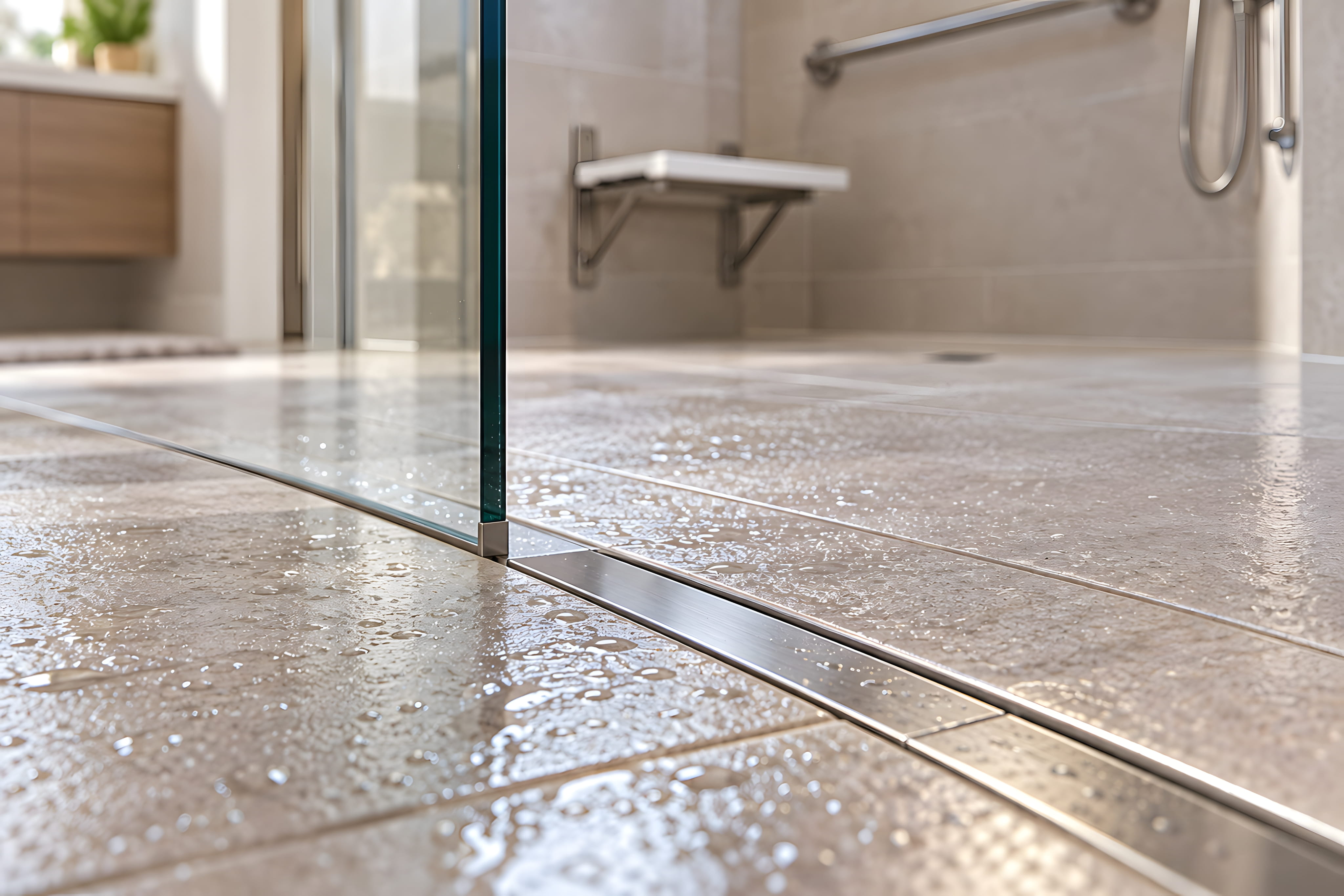
Trim in a living room has an easy life. Trim in a bathroom, laundry room, or kitchen does not. It sits near splashes, steam, mop water, and condensation, and in those conditions ordinary materials swell, peel, stain, and rot. A baseboard that swells at the bottom, a door casing that blackens at the floor line, or a window trim that peels because of steam is a common sight in homes where trim materials weren't chosen for the environment. The good news is that moisture-resistant materials, thoughtful details, and proper finishing keep trim looking crisp for decades. Here's how carpenters approach trim in wet areas.
Why Moisture Is the Enemy
Wood and wood-based products absorb moisture, expand, and eventually rot. Moisture also lifts paint, grows mildew, and can corrode fasteners. Areas near tubs, showers, sinks, dishwashers, washing machines, and exterior doors see the most exposure, and cut ends and joints are the most vulnerable.
Where Trouble Starts
Trim fails first at the bottom edges, where it meets the floor, and at joints and cut ends, where raw material is exposed. Splashing, mopping, leaks, and condensation concentrate there. Window trim fails when condensation runs down glass onto the sill.
Cellular PVC Trim
Cellular PVC is a plastic trim product that doesn't absorb water, rot, or feed mildew. It cuts, nails, and routes like wood, and it takes paint well. It's commonly used in bathrooms, laundry rooms, and exterior applications. It expands and contracts with temperature, so joints and fasteners need proper detailing.
Composite and Polymer Trim
Composite trims made from polymers and fibers resist moisture and insects. Some are designed for exterior use and perform well in wet interiors. They vary in appearance and workability, so look at samples.
Solid Wood in Wet Areas
Solid wood can work if it's properly sealed and primed on all sides, but it remains vulnerable. Rot-resistant species, such as cedar and redwood, hold up better than pine. Hardwoods can be used with good finishes. Careful maintenance matters.
Why MDF Is Risky
MDF swells dramatically when it gets wet, and the damage is permanent. It's fine in dry rooms but should be avoided in bathrooms, laundry rooms, and anywhere water might reach it. Even moisture-resistant MDF has limits, particularly at cut edges.
Moisture-Resistant Primed Trim
Some primed trim products are formulated for resistance to humidity, but they aren't waterproof. They work better than standard MDF in bathrooms with good ventilation but aren't recommended in direct splash zones. Check manufacturer guidance.
Sealing Cut Ends
Any cut end of wood or MDF exposes unprotected material. Sealing ends with primer, paint, or sealant before installation slows moisture entry. This step is easy to skip and critical to longevity.
Back-Priming
Priming the back and edges of trim before installation seals all surfaces. Moisture can enter from behind, especially where the trim touches damp walls or floors. Back-priming extends the life of wood trim.
Baseboards in Bathrooms
Bathroom baseboards need to withstand splashes and mop water. PVC or tile baseboard is a durable choice. Keeping a small gap between the trim and the floor, covered by caulk, prevents wicking. Tile base creates a seamless, waterproof edge.
Door Casings and Jambs
Bathroom and laundry room door casings often rot at the bottom. Cutting the casing slightly above the floor, sealing the bottom edge, and using PVC or rot-resistant material prevents this. Door jambs should be sealed on the bottom too.
Window Trim and Sills
Window trim in showers and steamy rooms should be waterproof, such as tile, stone, solid surface, or PVC. Standard wood trim can be used if it's well finished, but condensation can damage it. Sloping sills help water run off.
Tub and Shower Surrounds
Trim around tubs and showers should be limited, since water is constant. Tile, solid surface, and PVC are preferred. Caulk joints with high-quality silicone, and maintain the caulk regularly.
Kitchen Trim Near Sinks and Dishwashers
Trim near sinks, dishwashers, and refrigerators with water lines can swell from leaks and splashes. Use moisture-resistant materials and caulk edges. Check for slow leaks that can damage trim and cabinets.
Laundry Rooms
Washing machines can leak or overflow. Use waterproof trim at the base, and consider a floor drain or pan. Seal joints and use paints that handle humidity.
Basements
Basements have damp conditions, especially along concrete walls. Keep trim off the floor with a small gap, use PVC or composite, and address moisture problems first. Wood trim in damp basements often molds.
Exterior Doors and Thresholds
Doors that open to the outdoors bring moisture and temperature swings. Use rot-resistant materials and sealed sills, and keep trim up from the floor slightly. Weatherstripping and flashing protect interior trim.
Caulking Matters
Caulk seals the joint between trim and walls, floors, and tubs. In wet areas, use quality silicone or siliconized caulk designed for bathrooms and kitchens. Paintable caulk is useful for painted trim, but it must be rated for moisture.
Choosing Fasteners
Moisture corrodes ordinary nails, which can streak the finish. Stainless steel or coated fasteners resist corrosion. Fill nail holes with an appropriate filler, and seal them with paint.
Paint and Finish
Semi-gloss or satin paint with mildew-resistant additives works well on trim in wet areas. Multiple thin coats provide better protection than one thick coat. Make sure all surfaces, including edges, are painted.
Ventilation and Humidity Control
Good ventilation protects trim and everything else. Run bathroom fans during and after showers, and make sure they vent outdoors. Dehumidifiers help in damp rooms. Controlling humidity prevents most trim problems.
Mold and Mildew
Mildew grows on damp trim, especially in poorly ventilated rooms. Clean with appropriate cleaners, dry thoroughly, and address moisture sources. Persistent mold may signal leaks.
Repairing Water-Damaged Trim
Swollen, soft, or rotted trim should be replaced, not painted over. Find and fix the source of the moisture first. Replacing damaged sections with moisture-resistant materials prevents repeat problems.
Cost and Value
Moisture-resistant trim costs more upfront but avoids repeated replacement. In wet areas, the extra cost is usually worthwhile. A carpenter can recommend materials suited to each location.
Working With a Carpenter
Share the conditions in each room, including humidity, leaks, and splash zones. A skilled carpenter chooses materials, details joints, and finishes edges for durability. Ask about their experience with wet-area trim.
Showers With Wood Trim
If wood trim is used in a bathroom with a shower, keep it out of the splash zone and seal every surface. Use tile or solid surface for trim inside the shower area. Wood and shower spray are a poor combination in the long run.
Plinth Blocks and Door Casing Bottoms
Plinth blocks at the bottom of door casing can raise the trim off the floor and reduce water wicking. Choosing PVC plinth blocks improves durability. The detail also looks classic and is easy to maintain.
Flooring Transitions in Wet Areas
Where tile meets other flooring, thresholds should be waterproof and sealed. Moisture seeping under thresholds damages subfloors. Choose stone, composite, or metal thresholds, and caulk edges as needed.
Leaks and Hidden Moisture
Check for slow leaks under sinks, around toilets, and behind appliances. Trim that repeatedly swells or stains may signal a hidden leak. Fix the source before replacing the trim.
Cleaning Trim in Wet Areas
Wipe splashes promptly, and wash trim with mild cleaners. Avoid soaking, and dry thoroughly. Regular cleaning prevents buildup of soap scum and mildew, which can degrade finishes.
Long-Term Maintenance
Inspect caulk and paint yearly in bathrooms and kitchens. Re-caulk cracked lines, touch up chips, and fix small problems early. A little maintenance keeps trim looking sharp and prevents rot.
Choosing the Right Trim Profile
Simple profiles are easier to clean and seal than ornate ones. In wet areas, flat or gently curved profiles collect less dirt and moisture. Consider function when choosing the style.
Choosing Trim for Laundry and Mudrooms
Rooms that see wet shoes, mops, and muddy boots need trim that wipes clean. PVC and tile base resist scuffs and moisture, and rounded profiles shed dirt. A small investment in durable trim keeps utility rooms looking tidy.
Sealing Behind Trim
Where trim meets a wall that gets wet, a bead of sealant behind the trim blocks water from creeping in. Pair this with caulk at the visible joint for a double layer of protection. Water that can't enter can't rot the wall or the trim.
Matching Wet-Area Trim to the Rest of the Home
Using PVC trim in wet rooms and wood elsewhere is common, and with matching profiles and paint it's hard to tell the difference. Ask your carpenter to match profiles so the whole house looks consistent.
Planning for Easy Replacement
Trim in wet areas may eventually need replacement, so choose profiles that are easy to find and install. Keeping a small amount of extra material and paint helps repairs blend in. Planning for maintenance saves time later.

Tired of trim that swells, peels, and blackens near water? Our carpenters choose moisture-resistant materials for each room, seal cut ends and back-prime, detail the joints and gaps correctly, and finish with mildew-resistant paint and quality caulk. You'll get a clear material list and price. Get your free trim carpentry estimate today.

Karter & Co


