

Staircase Flooring Options: Wood, Vinyl, Carpet, and Tile for Steps and Landings
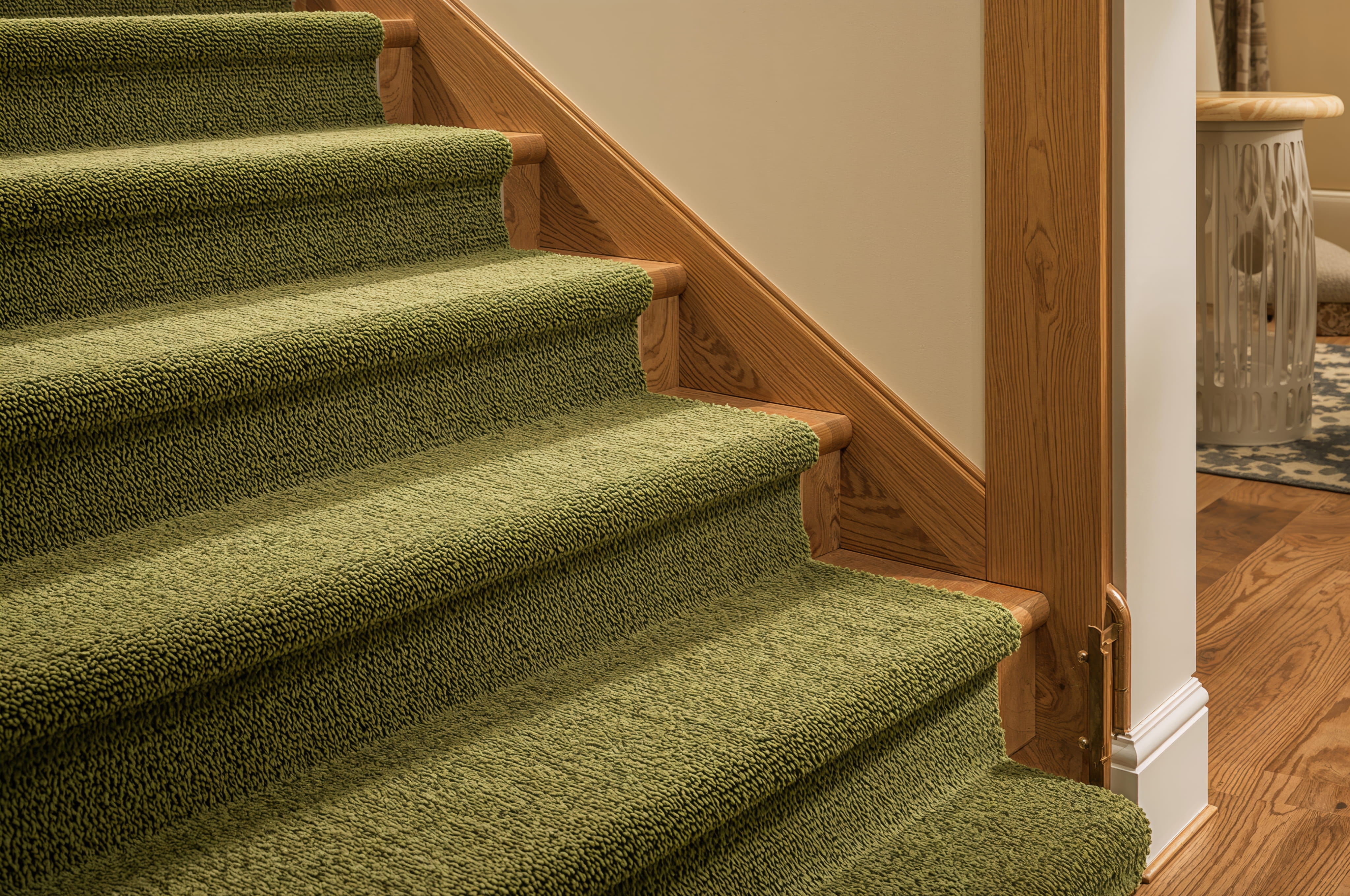
Stairs are the hardest-working flooring in the house. They carry heavy foot traffic, take concentrated wear on every step edge, and have to be safe in every kind of light and weather of daily life. They're also one of the most visible features of an interior, so the choice of material shapes the character of the whole entry or hallway. Because installation is done tread by tread, stair flooring costs more and demands more skill than flooring an open room. Understanding the options helps you choose a material that looks good, wears well, and keeps your family safe.
Why Stair Flooring Is Different
Every step has a horizontal tread and a vertical riser, plus an edge that takes the most wear. Materials must be cut, fitted, and fastened to each piece, and they must wrap around the nosing, the front edge of the tread. Because people look at stairs and touch them often, craftsmanship shows. Small errors in fit or consistency are noticeable and can be hazardous.
Safety Comes First
Falls on stairs cause many household injuries. Consistent step dimensions, good traction, secure handrails, and good lighting matter more than appearance. Any change to the surface should maintain or improve slip resistance and shouldn't alter the height of individual steps in ways that make them uneven.
Solid Hardwood Treads
Solid hardwood treads are durable, attractive, and can be refinished. Species like oak and maple stand up well to wear. Hardwood treads often come with matching risers or are paired with painted risers for contrast. They can be slippery without a textured finish or a runner, so consider traction.
Engineered Hardwood
Engineered wood can be used on stairs when specifically manufactured as stair treads or when installed with appropriate stair parts. It's more stable than solid wood in humidity changes, but thickness and wear layer matter. Not every engineered product is suitable, so confirm the manufacturer's stair guidelines.
Retreads Over Existing Stairs
Retreads are thin treads installed over existing stairs, covering old surfaces without a full rebuild. They're a practical, cost-effective way to update stairs that are structurally sound. They need to be installed carefully so the step heights remain consistent.
Painted Risers and Stained Treads
A popular approach pairs stained or natural wood treads with painted white or colored risers. The contrast looks clean and traditional, hides scuffs on risers, and helps people see each step. It also lets you refresh the look with paint.
Luxury Vinyl Plank on Stairs
Luxury vinyl plank is available with stair components, including matching treads, risers, and nosing. It's durable, water resistant, and comfortable underfoot. Quality varies, so look for products designed specifically for stairs, and ensure that nosing is secure and attractive.
Carpet on Stairs
Carpet is soft, quiet, and provides good traction. It reduces noise and cushions falls. It wears at the nosing and can show traffic patterns. Dense, low-pile carpet with a quality pad holds up best. Installation must be tight and secure, because loose carpet is a hazard.
Stair Runners
A runner is a strip of carpet down the center of wood stairs, leaving the edges of the wood visible. It adds grip, softness, and style while protecting the wood. Runners can be fastened with stair rods or tacked in place and can be replaced without replacing the whole staircase.
Tile and Stone Stairs
Tile and stone are durable and elegant, and they're often used in entries and outdoor stairs. They require a solid structure and careful installation, and they can be slippery when wet. Using textured tiles and proper nosing improves safety. They're cold and hard, which affects comfort and noise.
Laminate Stairs
Laminate stair parts exist and can be economical. They resist scratches but may be vulnerable to water and chipping at edges. Make sure the product is designed for stairs, and use quality nosing for durability.
Stair Nosing Options
Nosing is the front edge of the step. Options include a bullnose profile built into the tread, a separate nosing piece, or metal and rubber edges. A well-designed nosing protects the edge, provides grip, and gives a finished look. It must match the flooring thickness.
Visibility of Step Edges
Contrasting step edges help people see where each step ends, which is especially helpful for older adults and in dim light. Contrasting nosing, painted risers, or lighting can improve visibility.
Noise and Vibration
Stairs can be noisy, particularly with hard materials. Underlayments, carpet runners, and secure fastening reduce noise. Squeaky stairs usually indicate loose treads or rubbing parts that can often be fixed during installation.
Fixing Squeaks Before Installing Flooring
Before new flooring goes on, loose treads and risers should be secured. Screws, adhesive, and shims can eliminate squeaks. Finishing over squeaky stairs often preserves the problem and traps it under new material.
Handrails and Balusters
Flooring changes can affect handrail height and baluster fit. Plan for adjustments if the new treads alter step heights or the nosing projection. Handrails must remain secure and at a comfortable height.
Landings and Transitions
Landings are flat areas between flights and often use the same flooring as the stairs or the adjacent floor. Transitions at the top and bottom should be smooth and secure, with no tripping hazard. Matching or complementing flooring in the main rooms makes the stairway feel integrated.
Winding and Curved Stairs
Curved and winder stairs require custom cutting and expert installation, because each tread has a different shape. Materials that can be cut accurately, like wood and vinyl, are easier than tile. Plan for added cost and time.
Cost Factors
Stairs cost more per square foot than open floors because of cutting, fitting, nosing, and labor. The number of steps, the material, the stair shape, and the condition of the existing structure all influence price. Ask for a per-step quote so you can compare options.
Installation Time
Installing stair flooring takes longer than a similar area of flat floor. Adhesives and finishes need cure time before use. Plan for limited access to the stairs during the project, and consider temporary arrangements if the stairs are the main route in your home.
Pets and Children
Slippery stairs are especially hazardous for pets and small children. Carpet or runners and textured finishes improve traction. Baby gates and secure railings should be considered during the design.
Lighting the Stairway
Stair lights, motion-activated night lights, and well-placed fixtures reduce falls. A flooring update is a good time to add or upgrade lighting, since wiring and access are easier.
Maintenance
Sweep or vacuum stairs regularly, since grit acts like sandpaper on finishes. Clean according to the material's instructions. Check for loose treads, worn nosing, and loose carpet, and repair them promptly.
Choosing the Best Material for Your Home
Think about traffic, pets, children, noise, maintenance, and style. Hardwood suits classic interiors, vinyl suits busy homes, carpet suits comfort and quiet, and tile suits entries and wet areas. A professional can help you weigh the tradeoffs.
Refinishing Existing Wood Stairs
If your existing treads are solid wood, refinishing may be a cost-effective option. Sanding, repairing, staining, and sealing can bring old stairs back to life. Pair stained treads with freshly painted risers for a crisp look. Check for loose treads and squeaks before refinishing.
Matching Stairs to the Rest of the Floor
When the stairs lead from a room with new flooring, matching or coordinating materials creates a seamless flow. If you're installing new floors upstairs and down, decide at the planning stage whether the stairs will match, since colors and finishes are easier to coordinate when ordered together.
Open and Floating Stairs
Open-riser and floating stairs have special structural requirements and safety considerations. Treads are often thicker solid pieces, and finishes must be durable. Work with a carpenter experienced with these designs to ensure the structure and finish are safe.
Stairs Outdoors
Exterior stairs face moisture, ice, and sun, and they need materials rated for outdoor use. Textured tile, composite treads, treated wood, and concrete are common. Slip resistance and drainage are critical, and handrails must be sturdy.
What to Expect During Installation
Stair projects usually begin with removing old coverings, repairing squeaks and damage, installing treads and risers, adding nosing, and finishing. Expect noise and dust, limited access, and cure time before use. A clear schedule helps you plan how to move around the house.
Choosing Based on Your Household
Families with young children and pets usually value traction, durability, and easy cleaning. Households with older adults prioritize visibility, grip, and sturdy handrails. Quiet homes benefit from carpet or runners. Matching the material to who lives in the house makes the stairs safer and more comfortable.
Planning Around Daily Life
Stair projects block the main route between floors for a time. Plan where family members will sleep and move, and finish the work before holidays or events when possible. Ask your installer how long the stairs will be unusable at each stage.

Ready to update your stairs? We'll look at your staircase, check for squeaks and structural issues, and show you samples of hardwood, vinyl, carpet, and runners with the right nosing and traction. You'll get a clear per-step price and a safe, durable result. Request your free flooring estimate today.

Karter & Co


