

Staining Pergolas, Sheds, Gates, and Other Outdoor Wood Structures
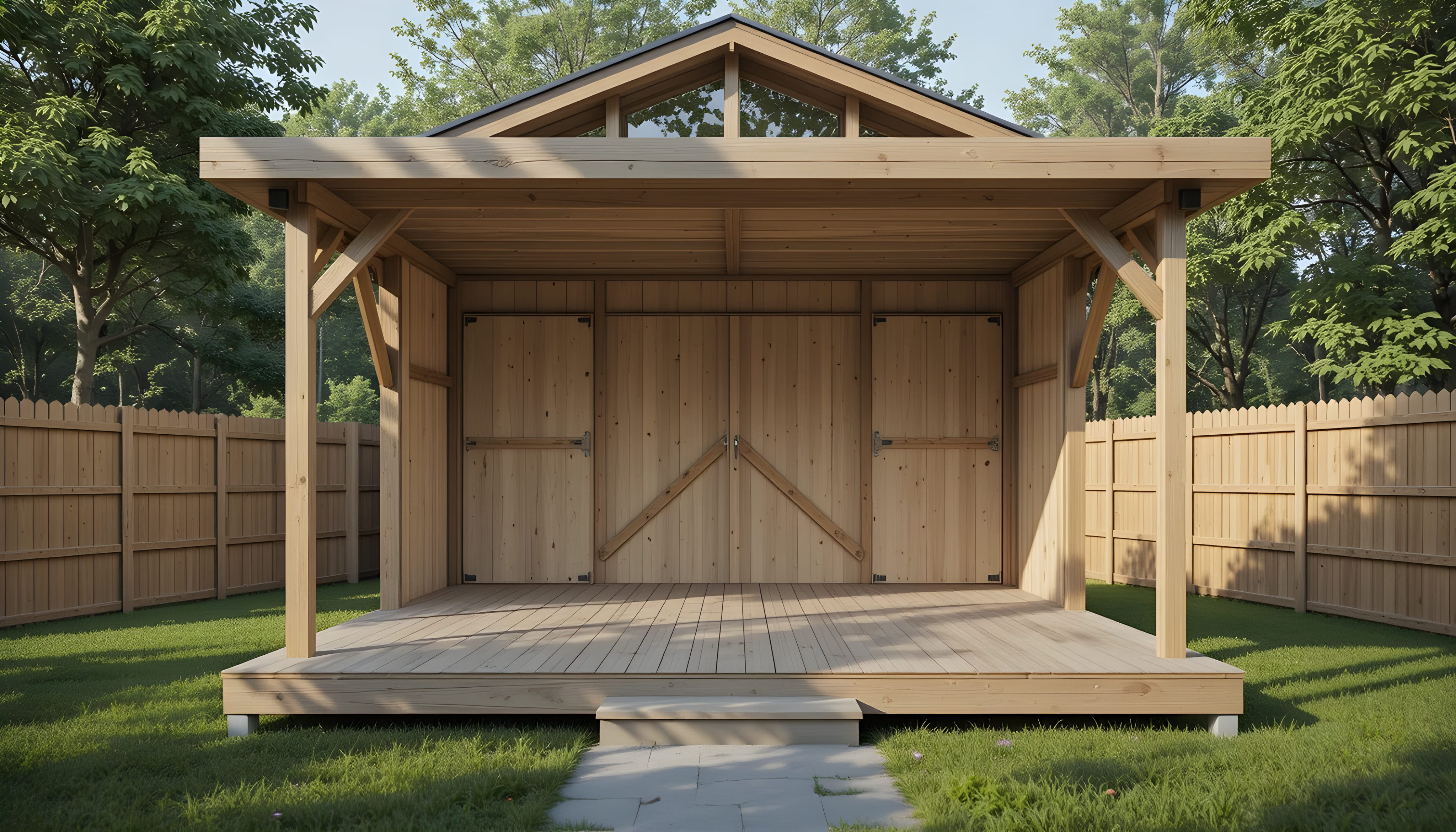
When homeowners think about staining, they usually think about the fence and the deck. But the yard is full of other wood that is just as exposed: pergolas, arbors, gates, sheds, playsets, benches, pool equipment enclosures, and outdoor furniture. These pieces take the same sun and rain, and often have more complicated shapes, overhead surfaces, and end grain that make them harder to protect. Because they're often forgotten until they gray, crack, or start to rot, a little knowledge about how to treat them goes a long way.
Why These Structures Need Protection
Wood outdoors absorbs moisture, dries out in the sun, and cycles between the two. Over time this causes graying, cracking, mildew, and rot. Stain and sealer slow the process by repelling water and blocking UV light. Structures with horizontal surfaces and exposed joints are especially vulnerable.
Pergolas and Arbors
Pergolas and arbors have overhead beams, rafters, and slats that are exposed to sun from above. The tops of these members bear the brunt of weather, while the undersides may stay shaded and damp. Staining all sides, including the tops, is important. Because the work is overhead, careful masking and a stable ladder or scaffold are necessary.
Staining Overhead Surfaces
Overhead staining drips and splatters. Use drop cloths, apply with a brush or pad rather than spraying near plants and furniture, and work in manageable sections. Wear eye protection. A professional may use sprayers with careful masking to cover many surfaces quickly.
Sheds and Outbuildings
Sheds have siding, trim, doors, and roofs that benefit from protection. Wood siding can be stained or painted, and trim and doors often need extra attention because they are exposed to water at joints. Check the roof, flashing, and foundation for moisture problems before staining.
Stain or Paint for Sheds
Stain soaks into wood and shows the grain, while paint forms a film that covers it. Paint can offer longer coverage on siding but may peel if moisture gets behind it. Stain is easier to maintain, because it wears away rather than peels. Choose based on the look and maintenance you prefer.
Gates
Gates take mechanical stress as well as weather. Hinges loosen, and boards sag. Before staining, repair loose hardware and replace damaged boards. Stain all edges and ends, since gate edges are exposed to moisture and frequently missed.
Playsets and Swing Sets
Children touch and mouth playset surfaces, so use finishes labeled safe for play equipment and allow full curing time. Inspect for splinters, loose bolts, and rot before staining. Safety checks matter as much as appearance.
Benches, Tables, and Outdoor Furniture
Furniture sits on horizontal surfaces that hold water and sun. Wood furniture needs cleaning and a protective finish. Oils such as teak oil are popular for certain woods, while stains and sealers provide UV protection. Cover or store furniture when not in use to extend the finish.
Trellises and Lattice
Lattice has many small edges and holes, which makes staining time-consuming. Spraying and brushing together helps. Climbing plants can trap moisture, so keep plants trimmed and allow airflow.
Raised Garden Beds
Raised beds sit in contact with soil and moisture. Use only finishes labeled safe for edible gardens, or leave inner surfaces unfinished and protect the exterior. Consider rot-resistant woods.
Cleaning Before You Stain
Dirt, mildew, and old finish prevent stain from soaking in. Wash with a wood cleaner, scrub with a soft brush, rinse thoroughly, and let the wood dry fully. Use gentle pressure on thin, delicate pieces.
Removing Old Stain
If the old finish is peeling or blotchy, strip it with a deck-and-fence stripper, rinse, and brighten the wood. Sanding may be needed on smooth surfaces. Applying new stain over failing finish leads to peeling.
Sanding and Repairs
Replace rotted pieces, tighten loose fasteners, fill cracks with an exterior filler, and sand rough areas. Pergolas and furniture often have splinters at edges. A smooth surface is safer and takes finish more evenly.
Choosing a Stain
Semi-transparent stains highlight the wood grain and protect against UV. Solid stains cover color and grain and can hide older wood's imperfections. Clear sealers keep the natural look but offer less protection. Match the product to the wood species and your appearance goals.
Considering Wood Species
Cedar, redwood, and other naturally durable woods take penetrating finishes well. Pressure-treated pine needs adequate drying time before staining. Hardwoods and oily woods may need specialized finishes. Check the manufacturer's guidance.
Application Tips
Apply stain with a brush, pad, or sprayer, working with the grain. Back-brush to work stain into the wood. Avoid heavy puddles, especially on horizontal surfaces. Keep a wet edge to avoid lap marks.
End Grain and Joints
End grain absorbs the most moisture. Apply extra stain to ends, joints, and the tops of posts. Sealing these areas reduces cracking and rot.
Protecting Nearby Surfaces
Cover plants, siding, concrete, and furniture. Stain can mark stone, brick, and concrete permanently. Take time to mask and protect.
Weather and Timing
Stain on a dry, mild day with no rain forecast. Avoid direct hot sun. Allow time for the finish to cure before use, especially on furniture and playsets.
How Often to Restain
Horizontal surfaces and sun-exposed parts may need refinishing sooner. Use the water bead test to decide: if water soaks in, it's time. Many structures need refinishing every few years, depending on exposure.
Check for Insects and Rot
Before staining, probe for soft spots and signs of insects such as holes and sawdust. Stain won't fix damaged wood. Address pests and replace rotted pieces.
Hardware and Metal Parts
Remove or mask hinges, latches, and metal fittings. Replace rusted hardware with corrosion-resistant versions. Stain on metal can look sloppy and may attract moisture.
When to Hire a Professional
Overhead work, complex shapes, large structures, and time constraints all make professional help attractive. A crew can clean, repair, and stain efficiently, with proper equipment and safety measures.
Treating Furniture Made of Teak and Other Oily Woods
Teak and similar woods contain natural oils and can resist weather, but they still gray without care. Some owners prefer to let them silver naturally, while others use teak oil or protectant to maintain color. Avoid film-forming finishes on oily woods unless they're designed for them.
Swing Sets and Safety Inspections
Check playsets annually for loose bolts, splinters, cracked boards, rusty hardware, and unstable posts. Tighten hardware, replace damaged parts, and re-stain with a finish suitable for play equipment. Safety comes before appearance.
Pergola Fabric and Climbing Plants
If you have fabric shades or plants on a pergola, remove or protect them before staining. Climbing vines trap moisture against wood, so keep them trimmed and allow airflow. Plan the maintenance around the plants' seasons.
Using a Sprayer on Structures
A sprayer saves time on complex structures, but it requires careful masking and back-brushing. Wind can carry overspray, so work on calm days. For delicate pieces and near plants, brush or pad application gives more control.
Winter Care and Protection
In cold climates, cover or store furniture, clear snow from pergola slats, and avoid leaving heavy snow on structures. Moisture and freezing cycles are tough on finishes and joints.
Estimating the Surface Area
Structures with many small parts, such as lattice, spindles, and slats, have more surface area than they appear to. Estimating stain needs and labor requires counting every face and edge. A professional quote accounts for this complexity.
Preparing Ladders and Scaffolding
Working on pergolas and sheds means working at height. Use stable ladders, keep three points of contact, and don't lean while reaching. For tall structures, scaffolding or a lift is safer. Don't take shortcuts when it comes to fall safety.
Matching the Structure to Your Fence and Deck
Using the same stain on the fence, deck, and pergola creates a unified look, but different woods and conditions can make colors look different. Test colors on each structure, and consider a slightly different shade for sheds and furniture.
Sealing Roof Edges and Joints
Shed and pergola roof edges collect water and take heavy exposure. Check flashing, seal joints, and protect exposed end grain. Fixing leaks and gaps before staining preserves your work.
Documenting Maintenance
Keep notes on which product you used on each structure and when it was applied. Different pieces may need refinishing at different intervals, and a simple record helps you stay ahead.
Natural Weathering as an Option
Some homeowners prefer the silvery gray of weathered cedar on pergolas and sheds. If you choose this look, clean the wood occasionally to prevent mildew, and consider a clear water repellent to slow cracking. Deciding on a weathered look up front avoids the need to strip finish later.
Preparing for the Next Season
Before winter or the rainy season, check joints, fasteners, and finish condition on outdoor wood. Touching up worn spots keeps water from getting in and extends the life of your structures. A short seasonal walk-around makes maintenance easier.

Got a pergola, shed, gate, or playset that's graying or peeling? Our crew cleans, repairs, and stains every surface, including tops, ends, and overhead beams, using finishes matched to the wood and the use, so your outdoor structures stay protected. You'll get a clear scope and price. Request your free staining estimate today.

Karter & Co


