

Squeaky Floors and Stairs: What Causes Them and How Carpenters Fix Them
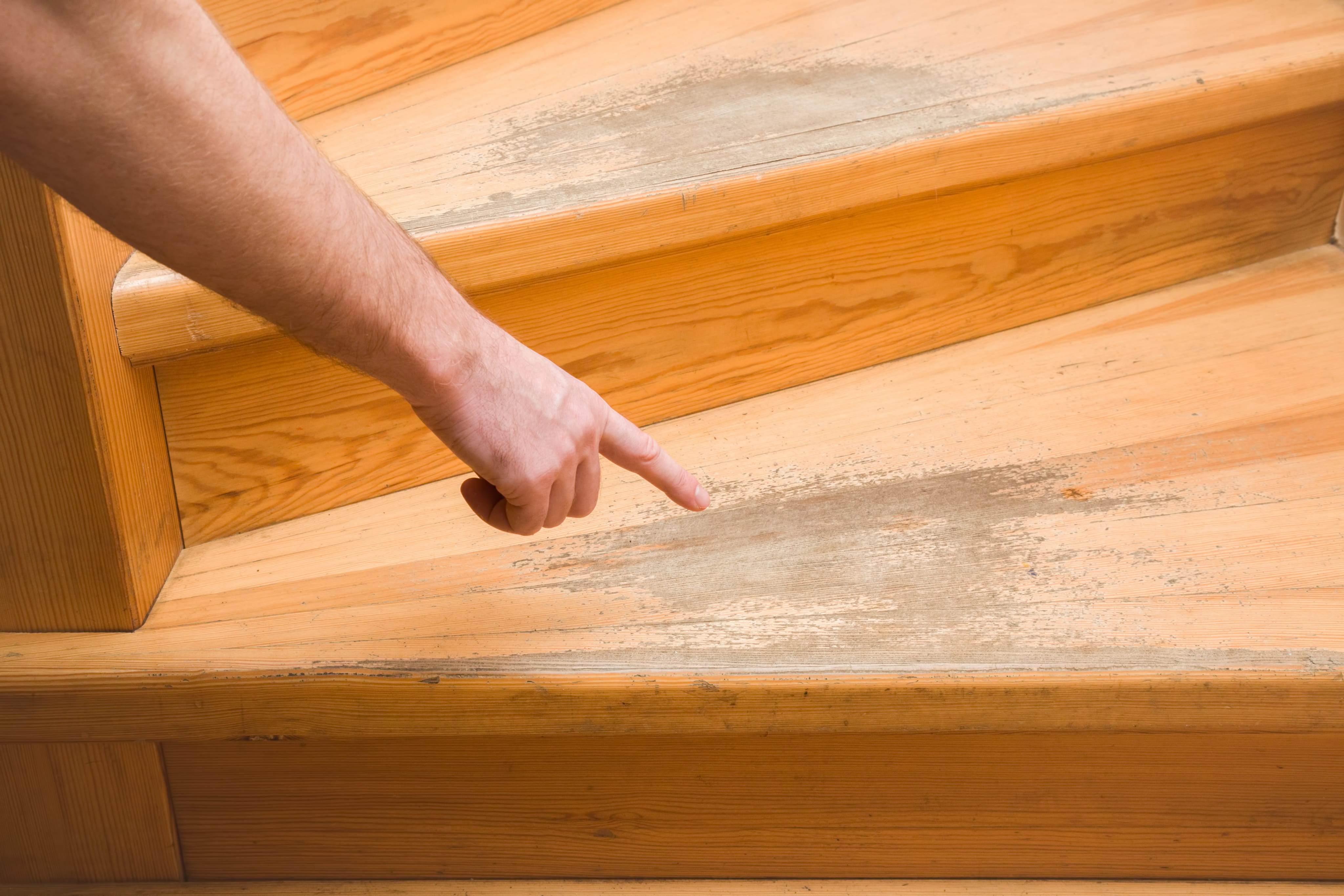
Every house has at least one: the floorboard that announces you at midnight, the stair tread that creaks with every step. Squeaks are rarely dangerous, but they're maddening, and they often get worse over time. They happen when wood rubs against wood or against a nail, and a few simple carpentry techniques can silence most of them. Understanding why floors and stairs squeak, how to find the source, and which fixes work for different constructions helps you decide whether to tackle it yourself or call a carpenter.
What Actually Causes a Squeak
A squeak is friction. When you step on a floor, the subfloor, flooring, and framing move slightly. If two surfaces rub, or a fastener slides in its hole, you hear a squeak. Common causes include subfloor pulling away from the joists, nails that have loosened, joists that have shrunk, and flooring boards that rub against each other.
Why Houses Develop Squeaks
Wood shrinks and expands with humidity, and over time fasteners loosen. New homes often develop squeaks in the first years as framing dries. Older homes may have squeaks from settling, worn fasteners, and years of wear. Seasonal changes make squeaks come and go.
Finding the Source
Walk the floor slowly, listening for the loudest spots. Have a helper stand upstairs while you listen from below, if you have access. Mark the squeaky areas. The location relative to joists matters, since many squeaks occur where the subfloor is loose over a joist.
Fixing From Below
If you can access the underside of the floor, such as from an unfinished basement or crawlspace, fixes are easier. Carpenters can drive screws up through the subfloor into the flooring, or add shims and construction adhesive between the joist and subfloor to eliminate gaps. This avoids disturbing the finished surface.
Using Shims Correctly
A small wood shim, coated with adhesive, is gently tapped into the gap between a joist and subfloor to fill the space. It shouldn't be driven too hard, which can lift the floor. Once the adhesive sets, the shim holds the subfloor snug.
Screwing Up Through the Subfloor
Screws driven up from below pull the subfloor tight to the flooring above. The screws must be the correct length so they don't poke through the surface. Special devices and brackets help draw the layers together. Care prevents damage to finished floors.
Fixing From Above
When the underside isn't accessible, squeaks are fixed from the top. On hardwood floors, carpenters drive trim-head screws or finish nails through the flooring into the joist, then countersink and fill. The fasteners are placed to be hidden along board joints or grain lines.
Special Fastener Kits
Some kits use screws that snap off below the surface, leaving only a small hole to fill. They help locate joists and pull the flooring down tight. They're designed for carpeted and hardwood floors and can be effective when used correctly.
Fixing Squeaks Under Carpet
If the floor is carpeted, screws can be driven through the carpet and pad into the joist, then covered. This is easier with special fasteners designed for this purpose. Locating the joist is critical to avoid hitting plumbing or wires.
Lubricants and Powders
Talcum powder, graphite, or specialty lubricants can reduce friction between boards. They are a temporary fix, because they don't address loose fasteners. Powders work best for minor squeaks in tongue-and-groove flooring.
Stair Squeaks
Stairs squeak when treads rub against risers or stringers, or when wedges and glue blocks loosen. Because stairs carry heavy, concentrated loads, squeaks are common. Fixing them improves comfort and safety.
Fixing Stairs From Below
If you can see the underside of the stairs, carpenters add glue blocks, wedges, or screws between the tread and riser. Adding blocking along the stringers reduces movement. This is often the cleanest fix, because it doesn't affect the visible surface.
Fixing Stairs From Above
From above, screws can be driven through the tread into the riser or stringer. On finished stairs, holes are countersunk and filled, or hidden under carpet. On carpeted stairs, screws can be driven near the back of the tread where they'll be hidden by the carpet and nosing.
Loose Nosing and Treads
Loose nosing and worn treads can cause squeaks and are also tripping hazards. They should be tightened or replaced. If treads are cracked or rotted, replacement is the safest option. Handrail and baluster looseness should be checked at the same time.
Joist and Subfloor Problems
Sometimes squeaks reflect structural issues, such as sagging joists, inadequate bridging, or deteriorated subfloor. Bouncy or sagging floors, large gaps, and moisture damage need evaluation. A carpenter can sister joists, add blocking, or replace damaged areas.
Bridging and Blocking
Blocking or bridging between joists stiffens the floor and reduces movement. It's commonly added in the course of repairs to reduce squeaks and bounce. This can be done from below with access.
Moisture and Squeaks
High humidity causes wood to swell, and dry conditions cause it to shrink, changing how it rubs. Controlling humidity helps reduce seasonal squeaks. Water damage requires repair, not just squeak treatment.
Hardwood Floor Considerations
Hardwood floors can squeak when boards rub or fasteners loosen. Fixes must avoid damaging the finish. A carpenter should be careful about screw placement, countersinking, and filling to keep repairs inconspicuous.
Engineered and Floating Floors
Floating floors, which aren't fastened to the subfloor, can creak when boards rub or the subfloor is uneven. Fixes may involve leveling, adjusting transitions, or adding underlayment. Sometimes the cause is the subfloor beneath.
Squeaks in New Construction
New homes may squeak as lumber dries. Builders sometimes use adhesive and screws to prevent this. If squeaks appear soon after construction, ask the builder about warranty coverage.
Cost and Time
Many squeaks can be fixed in a few hours. Costs depend on access, number of squeaks, floor type, and any structural repairs needed. A carpenter can inspect and give a clear estimate.
DIY or Professional
Simple fixes like adding a few screws can be done by homeowners, but mistakes can damage floors, hit wires or pipes, or leave visible holes. A professional has the tools and experience to find joists, choose the right fasteners, and finish the repair cleanly.
Preventing Future Squeaks
Maintain stable humidity, avoid overly dry air in winter, and address water leaks promptly. Tighten loose hardware and treads early. Regular attention keeps floors quiet.
Questions to Ask a Carpenter
Will you fix from above or below? How will you avoid damaging finished floors? Will you check for structural issues? What fasteners will you use? How will you patch holes? Clear answers show a careful approach.
Subfloor Sheathing and Fastener Patterns
Subfloor panels are installed with glue and fasteners at specified intervals. Over time, glue can fail and nails loosen. When carpenters fix squeaks, they often add screws along panel edges and over joists. Adding adhesive where possible creates a lasting bond.
Squeaks Near Walls and Doorways
Squeaks often occur near walls and doorways where flooring meets trim or thresholds. Loose baseboards, rubbing transitions, and tight expansion gaps can be culprits. Adjusting or re-fastening trim can solve the problem without touching the floor.
Squeaky Floors Over Concrete
Floors installed over concrete slabs can squeak when sleepers, underlayment, or flooring panels move. The solution depends on the system, and it may involve fasteners, adhesives, or adjustments to the underlayment. A carpenter can diagnose the source.
Testing After the Repair
After a repair, walk the area and listen carefully. Sometimes squeaks shift to a nearby spot because the floor still moves slightly. A thorough carpenter checks adjacent areas and adds fasteners where needed.
When Squeaks Signal Bigger Problems
If a floor feels bouncy, slopes noticeably, or squeaks along with cracks in walls and doors that stick, there may be structural issues. Have a professional evaluate sagging joists, foundation movement, and moisture damage before cosmetic repairs.
Using a Stethoscope or Listening Tools
Some carpenters use simple listening tools or a helper to pinpoint squeaks, since sound can seem to come from several places at once. Taking time to locate the exact source ensures the fix lands where it matters.
Handrails and Newel Post Movement
Creaks on stairs sometimes come from loose newel posts, balusters, or handrails rather than treads. Tightening and re-securing these parts improves safety and stops noises. A carpenter checks the whole stair system during a repair.
Using Construction Adhesive Wisely
Construction adhesive between subfloor and joists bonds layers and quiets movement, but it must be applied in the right amount and allowed to cure. Too much adhesive can ooze and make a mess, and too little won't fill the gap. A carpenter uses it along with fasteners to create a lasting repair.

Tired of floors and stairs that announce every step? Our carpenters track down the source, fix from below when we can, use hidden fasteners and adhesive where we can't, check for structural issues, and finish the repair neatly so your floors stay quiet. Request your free carpentry repair estimate today.

Karter & Co


