

Soft Washing vs. Pressure Washing: Which Method Is Right for Your Surfaces?
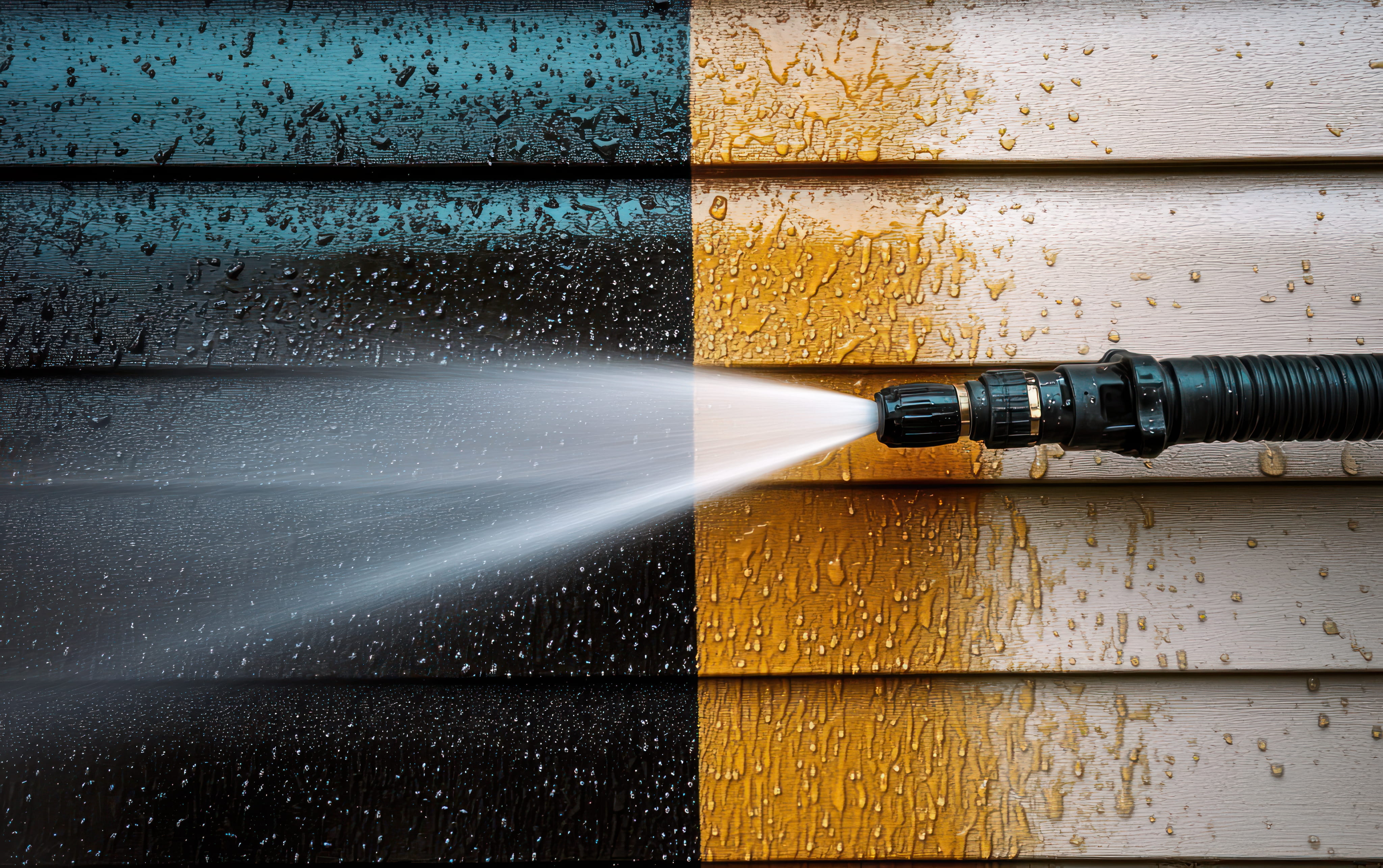
Homeowners often assume that pressure washing is one thing: a powerful jet of water that blasts away dirt. In reality, professional exterior cleaning involves two quite different approaches, and choosing the wrong one can be the difference between a sparkling clean surface and an expensive repair. Soft washing and pressure washing each have a job to do. Understanding how they work, where each belongs, and what happens when they're mixed up helps you protect your home and hire the right professional.
What Pressure Washing Is
Pressure washing uses a high-pressure stream of water to blast away dirt, stains, and buildup. The force of the water does most of the work, and it's effective on tough, durable surfaces. Pressure washing can restore concrete, remove old coatings, and clean heavily soiled areas quickly. The force that makes it effective is also what can make it harmful on the wrong surface.
What Soft Washing Is
Soft washing uses low pressure, similar to a garden hose, combined with cleaning solutions that kill mold, algae, mildew, and bacteria at the source. The solution does the cleaning, and the water gently rinses it away. Because the pressure is low, soft washing is safe for delicate surfaces. It's also more effective at preventing regrowth, because it kills the organisms instead of just removing the visible stains.
Why the Difference Matters
Forcing high pressure at a delicate surface can strip paint, gouge wood, crack stucco, force water behind siding, and damage roofing. Using only low pressure on a heavily soiled hard surface may leave stubborn stains in place. Matching the method to the material is the foundation of safe, effective cleaning.
Surfaces That Suit Pressure Washing
Concrete driveways, sidewalks, patios, and pool decks handle pressure well. Brick, pavers, and stone can often be pressure washed if the pressure is controlled and the mortar joints are sound. Metal surfaces, such as steel fences and equipment, can also tolerate higher pressure. Even on these surfaces, technique and distance matter.
Surfaces That Need Soft Washing
Painted siding, vinyl siding, stucco, and roofing materials such as asphalt shingles generally need soft washing. These surfaces can be damaged by high pressure, and they often have organic growth that responds best to cleaning solutions. Wood siding, fences, and decks also benefit from gentle methods, depending on condition.
Roof Cleaning
Roofs are a prime example of a surface that needs soft washing. High pressure can strip protective granules from shingles, lift edges, and cause leaks. Black streaks on roofs are usually algae, which feeds on limestone in the shingles. A soft wash solution kills the algae without damaging the surface. Many roofing manufacturers specifically warn against pressure washing shingles.
Siding and Stucco
On siding, high pressure can push water under the panels, where it becomes trapped and leads to rot or mold. On stucco, it can erode the surface and open cracks. Soft washing cleans these surfaces safely and removes the biological growth that causes staining.
Wood Surfaces
Wood is soft, and pressure that is too high can raise the grain, cause splintering, and leave fuzzy, damaged fibers. Decks, fences, and wood siding are usually cleaned with a lower pressure and a wood-safe solution, followed by careful rinsing. The goal is to clean without harming the wood.
What's in the Cleaning Solution
Soft washing solutions are typically a combination of a surfactant, which helps the solution cling to the surface, and an active ingredient that kills mold, algae, and mildew. The mixture is diluted to a strength appropriate for the surface. Professionals measure and mix carefully, adjusting for the type and condition of the surface.
Protecting Plants and Landscaping
Cleaning solutions can harm plants if they aren't protected. Professionals pre-wet and rinse landscaping, cover delicate plants when needed, and control runoff. Ask how a company protects your yard. Responsible handling includes diluting solutions and directing water away from sensitive areas.
Rinsing Is Critical
A thorough rinse removes residue and loosened debris. On soft-washed surfaces, rinsing completes the cleaning and prevents streaks. On pressure-washed surfaces, rinsing washes away the dirt that has been dislodged. Skipping or rushing the rinse leaves surfaces looking cloudy or streaky.
Why Soft Washing Lasts Longer
Because soft washing kills the organisms that cause staining, results typically last longer than simply blasting away surface dirt. Algae and mildew return more slowly. For roofs and siding, this can mean fewer cleanings and a longer-lasting appearance.
Why Pressure Washing Is Still Essential
For heavy dirt, oil stains, and embedded grime on hard surfaces, pressure is what gets the job done. Concrete, in particular, benefits from the force of pressure washing to remove deep stains. Professionals use the right nozzle, distance, and technique to avoid etching or damage.
Combining Both Methods
Many properties need both. A professional might soft wash the roof and siding, pressure wash the driveway and walkways, and use a gentle approach on the deck. A good company evaluates every surface and chooses the appropriate method for each.
The Risk of Using One Method for Everything
A company that uses a single approach on every surface is a warning sign. High pressure everywhere can cause damage, while low pressure everywhere may not remove tough stains from concrete. Ask how a company decides which method to use on each material.
DIY Considerations
Rental pressure washers are powerful and easy to misuse. Many DIY attempts result in etched concrete, damaged siding, and gouged wood. Soft washing involves chemicals that require proper handling, mixing, and safety equipment. For delicate surfaces, hiring a professional is generally safer.
Safety Concerns
Pressure washing can cause injuries, from lacerations to falls from ladders. Cleaning solutions can irritate skin and eyes and harm plants and pets if used improperly. Professionals use protective gear, follow safety procedures, and know how to handle chemicals responsibly.
Warranty and Manufacturer Guidance
Roofing, siding, and paint manufacturers often specify cleaning methods and may limit pressure. Using an approved method protects your warranty. Ask your contractor whether they follow manufacturer guidelines for your materials.
How Often to Clean
Frequency depends on the surface and conditions. Siding may need cleaning every year or two, roofs every few years, and concrete as needed. Shaded, humid areas grow algae faster. Regular cleaning prevents buildup and keeps the work easier and less expensive.
Cost Considerations
Soft washing may cost more per square foot than basic pressure washing because it involves specialized solutions and equipment. For delicate surfaces, the extra cost protects against much more expensive damage. A fair quote explains which method will be used where.
Questions to Ask a Pressure Washing Company
Which surfaces will you soft wash and which will you pressure wash? What solutions do you use? How do you protect my plants? Are you insured? Do you follow manufacturer guidelines? Clear answers show experience and care.
Gutters, Fences, and Outdoor Furniture
Gutters collect organic debris and often have black streaks on the outside, which can be removed with a gentle cleaner. Fences and outdoor furniture accumulate algae and dirt, and they respond best to the lower-pressure approach that suits the material. Cleaning these pieces together with the rest of the property makes the whole exterior look refreshed.
Safety for Pets and Children
Ask your cleaning company how they handle products around pets and children. Responsible professionals rinse surfaces thoroughly, keep people and pets away during treatment, and use products appropriate for residential use. Plan for pets to stay indoors until surfaces are rinsed and dry.
Water Use and Runoff
Cleaning uses water, and runoff carries soap and debris. Some areas have rules about discharge into storm drains. A conscientious company manages runoff, uses appropriate products, and follows local regulations. Ask how they handle it.
Timing and Seasons
Mild, dry weather is ideal for exterior cleaning. Algae growth often peaks in warm, humid seasons, so a spring cleaning followed by an occasional touch-up keeps surfaces fresh. Planning cleaning before painting, staining, or sealing ensures the work lasts.
Sealing After Cleaning
Sealing concrete, pavers, and wood after cleaning can slow staining and extend the clean look. The surface must be fully dry before sealing. Ask whether your project would benefit from a sealer, and what maintenance it will require.
Dealing With Stubborn Stains
Rust, oil, tannin, and paint overspray need targeted treatments rather than more pressure. Rust removers, degreasers, and stain-specific products work better and are safer for the surface. A professional identifies the stain first, then chooses the treatment, which prevents the damage that comes from simply blasting harder.
Why Clean Surfaces Last Longer
Dirt and organic growth hold moisture against siding, roofing, and wood, which speeds up deterioration. Keeping surfaces clean, and addressing algae and mildew early, extends the life of paint, shingles, and sealants. Regular, gentle cleaning is a form of maintenance, not just an appearance upgrade.

The right method protects your home and gets it truly clean. Our crew soft washes roofs, siding, and stucco, uses controlled pressure on concrete and pavers, protects your landscaping, and rinses thoroughly, so every surface gets exactly what it needs. You'll know the method before we start. Request your free pressure washing estimate today.

Karter & Co


