

Rotted Window and Door Frames: Repair, Epoxy, or Replace?
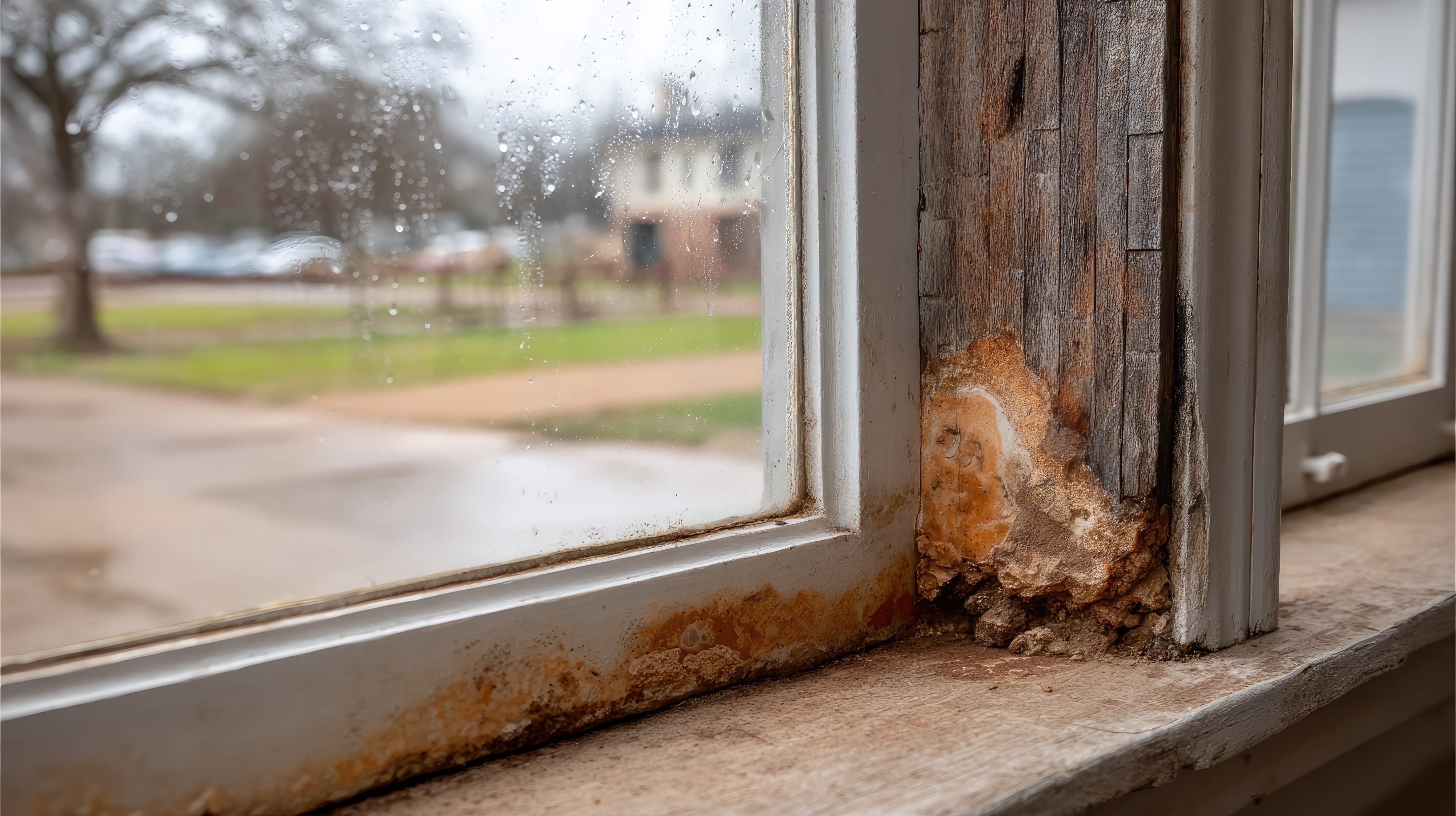
Windows and doors are the most common places for wood rot to show up on a home. They combine joints, seams, caulk lines, and flashing in a small area, and water finds every weakness. A soft spot at the bottom of a door frame or a spongy window sill is often the first sign, and it raises a practical question: can it be repaired, or does the whole piece need replacing? The answer depends on how far the damage goes, what caused it, and how the repair is done. Understanding your options helps you make a smart decision and avoid paying for the same repair twice.
Why Frames Rot
Rot needs moisture, and frames collect it. Water runs down glass and siding and pools on sills. Caulk cracks and lets water behind trim. Missing or failed flashing sends water into the wall. Poorly sloped sills hold standing water. Splashing from the ground and sprinklers adds even more. Over time, constant dampness encourages fungi that break down the wood.
How to Check for Rot
Press a screwdriver or an awl into suspect wood. Healthy wood resists, while rotted wood is soft and crumbles. Check the bottom of door frames, window sills, corners, and anywhere paint is peeling or bubbling. Look for dark staining and listen for a hollow sound when tapping. Probe in several places, because damage often extends beyond what you can see.
Check the Surroundings
Rot rarely stays contained. Look at the siding, the framing behind the trim, and the interior side of the wall for stains or soft drywall. If the damage has reached the wall framing, the repair may involve more than the frame. A thorough inspection prevents surprises.
Find the Cause First
Repairing rot without fixing the cause guarantees that it comes back. Identify where water is getting in: failed caulk, missing flashing, a clogged gutter, an inadequately sloped sill, or sprinklers hitting the wall. Fixing the source is as important as fixing the wood.
When Epoxy Repair Works
For localized rot in otherwise sound wood, epoxy consolidants and fillers can restore strength and shape. The damaged material is removed, a liquid consolidant soaks into the remaining wood to harden it, and a structural filler rebuilds the missing profile. After sanding and priming, the repair can be painted. This approach saves original wood and often costs less than replacement.
Limits of Epoxy
Epoxy isn't a cure for everything. If the rot is extensive, the wood has lost its structure, or the piece carries significant weight, replacement is better. Epoxy also needs dry wood to bond. Repairing wood that is still wet or in an area with ongoing leaks leads to failure.
Dutchman Repairs
A Dutchman repair replaces just the damaged section of a piece of wood with a new piece cut to fit. The rotted area is cut out cleanly, a matching patch is shaped and glued in, and the joint is sealed and finished. This is a good option when the damage is limited and the profile is complex or historic.
Replacing a Sill
Window sills take the most abuse and often need full replacement. A new sill should be sloped to shed water and properly flashed. Using rot-resistant materials such as treated lumber, naturally durable wood, or PVC and composite trim reduces the chance of recurrence.
Replacing Door Frame Sections
The bottom of a door frame or jamb often rots first. The damaged lower section can be cut out and replaced, often without removing the whole frame. A good carpenter checks the threshold and the subfloor beneath for hidden damage before closing it up.
Full Replacement
If the frame is rotted throughout, or the window or door is old and inefficient, full replacement may be the better investment. It lets you correct flashing problems, add insulation, and install a more energy-efficient unit. Replacement costs more, but it resets the clock.
Materials That Resist Rot
Replacement trim can be made from rot-resistant wood, PVC, or composite materials that don't absorb water. PVC and composites are popular for sills and exterior trim because they resist moisture and insects. Wood remains attractive and can be repaired, but it needs good paint and caulk to last.
Flashing and Water Management
Flashing sends water away from vulnerable joints. Correct flashing around windows and doors, along with sill pans and drip caps, keeps water out of the wall. Rot repairs are a good time to inspect and improve flashing, since the area is exposed.
Caulk and Sealing
High-quality, flexible exterior caulk seals gaps between trim and siding. Old caulk shrinks and cracks, so it needs to be replaced periodically. Caulk is a maintenance item, not a permanent fix, and it should be checked every year or so.
Priming and Painting All Sides
Wood should be primed on all sides, including edges and ends, before installation or repair. Unprimed cut ends soak up water like a sponge. After repair, apply high-quality exterior paint. Painting keeps moisture out and protects the wood from UV damage.
Older Homes and Lead Paint
Homes built before the late 1970s may have lead-based paint on window and door trim. Sanding, scraping, and cutting can create hazardous dust. Contractors working on older homes should follow lead-safe practices when required and test where appropriate. Safe handling protects your family.
Hidden Damage Behind the Trim
Removing rotted trim often reveals more damage behind it, such as wet sheathing or framing. A good carpenter documents what they find and explains options before proceeding. Fixing hidden damage prevents future problems and may involve other trades.
Insects and Rot
Termites and carpenter ants are attracted to damp, softened wood. If you see signs of insects, such as mud tubes, sawdust, or tunneling, call a licensed pest professional. Repairing the wood without addressing active infestation is a waste of money.
Temporary Measures
If you can't repair immediately, protect the area by sealing gaps, directing water away, and covering exposed wood. Temporary caulk or sealant can slow water entry. These measures buy time but don't replace proper repair.
Cost Factors
Cost depends on the extent of damage, the type of repair, the materials used, and whether other trades are involved. Epoxy repair is often less expensive than replacement, but larger or more complex repairs cost more. Hidden damage can change the scope, so an in-person assessment matters.
DIY or Professional
Small, simple repairs can be handled by a skilled homeowner, but rot repairs require good judgment about the extent of damage and the right materials. Mistakes can trap moisture and lead to bigger problems. A professional carpenter has the experience to diagnose, repair, and weatherproof correctly.
Preventing Future Rot
Keep gutters clear, direct sprinklers away from the house, maintain caulk and paint, and make sure sills slope away from the building. Trim vegetation that keeps walls damp. Regular inspections catch problems early, when repairs are small.
Questions to Ask a Carpenter
What caused this damage? How far does it extend? Is epoxy appropriate here, or does it need replacement? How will you weatherproof the repair? What materials do you recommend? Do you warranty the work? Clear answers show a professional approach.
Sill Slope and Drip Edges in Detail
A sill should slope away from the glass so water runs off instead of pooling. Drip edges and kerfs on the underside prevent water from running back toward the wall. If the sill is flat or sloped toward the house, repairs will fail again unless the slope is corrected. This detail is easy to overlook and critical to the result.
Checking the Interior Side
Water that damages exterior frames often shows up inside as stained drywall, peeling paint, or a swollen interior sill. Look at the wall below windows and around door frames for soft spots and discoloration. Repairing the exterior without addressing interior damage leaves the job unfinished.
Epoxy Cure Time and Handling
Epoxy products need proper mixing, adequate temperature, and time to cure before sanding and painting. Rushing the process can leave soft or sticky repairs. Following manufacturer instructions and working in dry conditions gives the strongest, longest-lasting result.
Wood or PVC Trim for Replacement
Wood looks traditional and can be repaired later, but it needs paint and caulk maintenance. PVC and composite trim resist moisture and rot, and they're popular for sills and lower trim. Cellular PVC can be cut, nailed, and painted like wood, though it moves more with temperature and needs proper fastening.
Ask About a Warranty
A quality repair should come with a clear warranty on workmanship. Ask what it covers, how long it lasts, and what maintenance is expected. A contractor who stands behind the repair is confident in the materials and the weatherproofing.
Documenting the Repair
Take photos before, during, and after the work, and keep invoices and notes on the materials used. Records help if the problem returns, if you file an insurance claim, or when you sell the home. They also show buyers that moisture issues were handled properly.

Soft, rotted wood around a window or door is telling you something. Our carpenters probe the damage, find the source of the moisture, and repair or replace what's needed with rot-resistant materials, proper flashing, and thorough sealing, so the problem doesn't come back. You'll get a clear scope and price. Get your free carpentry repair estimate today.

Karter & Co


