

Repair or Replace? Making Smart Appliance and Fixture Decisions During a Unit Turn
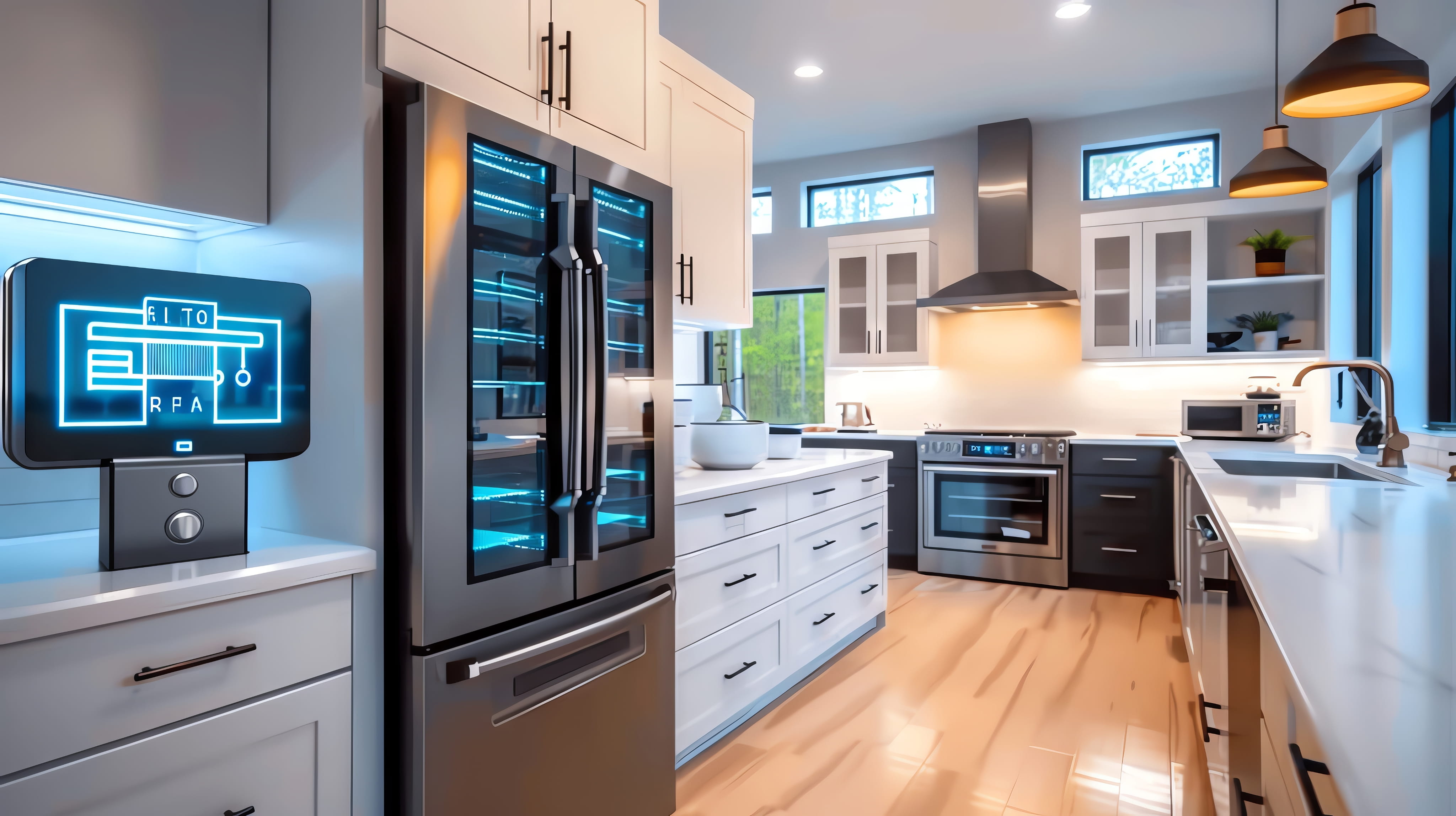
Every unit turn comes with the same decision at the kitchen sink and the stove: fix it or replace it? Landlords and property managers face these choices dozens of times a year, and the wrong habit costs money either way. Replace too eagerly and you burn through capital on appliances that had years of life left. Repair too stubbornly and you pay for the same failing unit over and over, while tenants complain about things that don't work. A practical framework, backed by good records, makes these decisions faster, fairer, and cheaper over time.
Why the Decision Matters
Appliances and fixtures are some of the most visible and most used parts of a rental. A reliable stove, a quiet refrigerator, and a faucet that doesn't drip make a unit feel well maintained. Failures lead to emergency calls, tenant frustration, and sometimes damage. Smart decisions at turn reduce mid-lease repairs.
Inspect Everything During the Turn
The turn is the best time to test every appliance and fixture, because the unit is empty and you can run each item through its full cycle. Test the refrigerator temperature, all burners and the oven, the dishwasher cycle, the disposal, the microwave, the range hood, the washer and dryer if provided, faucets, toilets, and lights. Document findings with photos and notes.
Know the Age and Condition
Record the age, model, and condition of each appliance. Many have typical lifespans, and when an appliance is near the end of its life, a repair may only delay the inevitable. Keeping an inventory by unit, with installation dates, helps you plan replacements before failures.
A Simple Repair-or-Replace Rule
Many owners use a rule of thumb: if the repair cost is a significant portion of the replacement cost, and the appliance is in the later part of its expected life, replacement is usually wiser. If the appliance is relatively new and the fix is minor, repair makes sense. Adjust the thresholds to your portfolio and standards.
Consider Repair Frequency
An appliance that has needed repeated repairs is telling you something. Track repair history, and replace units that keep failing, even if each individual repair is inexpensive. Frequent callbacks cost more in time and tenant goodwill than the repair invoices suggest.
Refrigerators
Common issues include worn door seals, clogged drain lines, dirty condenser coils, and failing fans. Cleaning coils, replacing gaskets, and clearing drains solve many problems. Compressor or sealed-system failures are expensive and usually justify replacement for older units.
Ranges and Ovens
Burners, igniters, heating elements, and knobs are common repairs. Gas appliances should be serviced by qualified technicians because of safety risks, and any smell of gas should be treated as an emergency. A range with a cracked glass top, warped oven door, or repeated element failures may be better replaced.
Dishwashers
Dishwashers often fail due to clogged filters, worn spray arms, door latches, and leaking seals. Cleaning and minor part replacement solve many issues. Water leaks that damage cabinets or floors justify prompt action, and aging units with persistent leaks should be replaced.
Garbage Disposals
Disposals jam, leak, or burn out. Resetting, clearing jams, and replacing mounting hardware can fix some issues. Because disposals are relatively inexpensive and easy to swap, replacement is often practical when repeated problems occur.
Microwaves and Range Hoods
Over-the-range microwaves and hoods combine ventilation and lighting. Replace filters, bulbs, and fans where possible, but if the unit is noisy, ineffective, or damaged, replacement can improve the kitchen. Make sure ducting and venting meet requirements.
Washers and Dryers
If you provide laundry appliances, clean lint traps and vents, inspect hoses, and test cycles. Lint buildup in dryer vents is a fire hazard, and burst washer hoses cause water damage. Replace old rubber hoses with braided ones, and consider the cost of ongoing maintenance versus replacement.
Water Heaters and HVAC Components
These are major systems and should be handled by licensed professionals. During the turn, note age, leaks, rust, and unusual noises, and schedule evaluation. Replacing a failing unit during a vacancy is far easier than during a tenancy.
Faucets
Dripping faucets are usually repairable with a cartridge, washer, or aerator. If the finish is worn, corroded, or the faucet is loose and unreliable, replacement is a quick, inexpensive upgrade. Standardizing faucet models simplifies future repairs.
Light Fixtures and Ceiling Fans
Replace broken, dated, or missing fixtures with simple, durable ones. Consistent fixtures across units reduce parts inventory. Check ceiling fans for wobble and noise, and replace failing units. Electrical changes beyond like-for-like replacement need a licensed electrician.
Blinds and Window Coverings
Bent, broken, or dirty blinds make a unit look neglected. They're inexpensive to replace, and doing it as a standard step gives every unit a clean baseline. Choose a standard color and size where possible.
Toilets and Plumbing Fixtures
Running toilets, loose seats, and worn flappers are quick repairs. Cracked bowls and chronic leaks require replacement. Choose reliable, water-efficient models, and consider standardizing to simplify parts.
Standardizing Models and Finishes
Using the same appliance brands, models, and fixture styles across units makes repairs faster and cheaper. You can stock common parts and replacement units, and technicians learn the equipment. Standardization also keeps units consistent for tenants.
Energy and Water Efficiency
Efficient appliances and fixtures reduce utility costs, which matters if you pay utilities or want to attract tenants who care. Compare operating costs when replacing, not just purchase prices. Some utilities offer rebates, so check what's available.
Warranties and Service Plans
New appliances typically come with manufacturer warranties, and some owners buy extended plans. Keep receipts, model numbers, and warranty information organized by unit. A good record helps you make claims quickly.
Buying Strategy
Buying appliances in volume, timing purchases around sales, and working with local suppliers can lower costs. Ask about delivery, installation, and haul-away of old units. Scheduling deliveries during the turn prevents delays.
Removal and Disposal
Old appliances need proper disposal. Many retailers and haulers offer removal, and some jurisdictions have rules about refrigerant handling. Include removal in your quote or schedule to avoid leaving old units on site.
Tenant-Caused Damage
If damage goes beyond normal wear, document it and follow your lease and local rules. Clear move-in and move-out records support fair decisions. Keep invoices for repairs and replacements.
Safety Considerations
Gas appliances, electrical connections, and anything involving water supply should be handled by qualified professionals. Never skip safety checks, such as testing smoke and carbon monoxide detectors and checking for leaks. Safety is not the place to economize.
Plan Capital Replacements
Use your inventory to forecast replacements, and budget for them over time. Replacing a refrigerator that is near the end of its life during a vacancy avoids a mid-tenancy emergency. Planning smooths costs and improves tenant satisfaction.
Appliance Packages and Matching Sets
Buying appliances as a matched package makes a kitchen look consistent and often saves money. For rentals, choosing a durable, mid-range package that suits your market keeps costs under control. Avoid mixing finishes, such as stainless steel and black, in the same kitchen unless it's deliberate.
Cleaning as Part of the Decision
Many appliances look worse than they are. A deep clean can restore ovens, refrigerators, and dishwashers to presentable condition, avoiding unnecessary replacement. Evaluate condition after cleaning, not before.
Parts Availability
Older or discontinued models may have hard-to-find parts, which makes repairs slow and costly. If parts are unavailable, replacement is usually the practical choice. Check availability before committing to a repair.
Documenting Every Decision
Keep a record of what was repaired or replaced, the cost, the date, and the reason. Over time, this history shows which brands and models perform best in your rentals and helps you refine your standards.
Timing Replacements Around the Turn
Order appliances early enough to arrive before the turn finishes, since delivery delays hold up the whole project. Schedule installation after painting and flooring to avoid damage to finished surfaces. Coordination keeps the schedule on track.
Presenting the Kitchen
Appliances are focal points in listing photos and showings. Clean, matching, working appliances create a strong impression, and visible damage or mismatched units create doubt. Even modest updates make a unit more appealing.
Budget Ranges by Unit Type
Entry-level rentals can use durable, basic appliances, while higher-end units may justify upgraded packages that match tenant expectations and rent levels. Setting standards by unit class keeps spending sensible and prevents over-improving.
Common Mistakes
Replacing items that only need cleaning, repairing the same appliance repeatedly, mixing brands and models across units, ignoring safety on gas and electrical connections, and failing to document decisions are the most common errors. A simple checklist during the turn prevents them.
Training Your Turn Crew
Make sure everyone doing turns knows your standards and how to test each appliance. Provide a checklist and photo requirements, and ask for notes on anything that looks near the end of its life. Consistent inspection leads to better decisions.

Not sure whether to repair or replace? We test every appliance and fixture during the turn, give you a clear repair-or-replace recommendation with real pricing for each, and handle installation, haul-away, and documentation so your units stay consistent and reliable. Request your free make-ready estimate today.

Karter & Co


