

Removing Paint Overspray, Mortar Haze, and Construction Residue From Your Home's Exterior
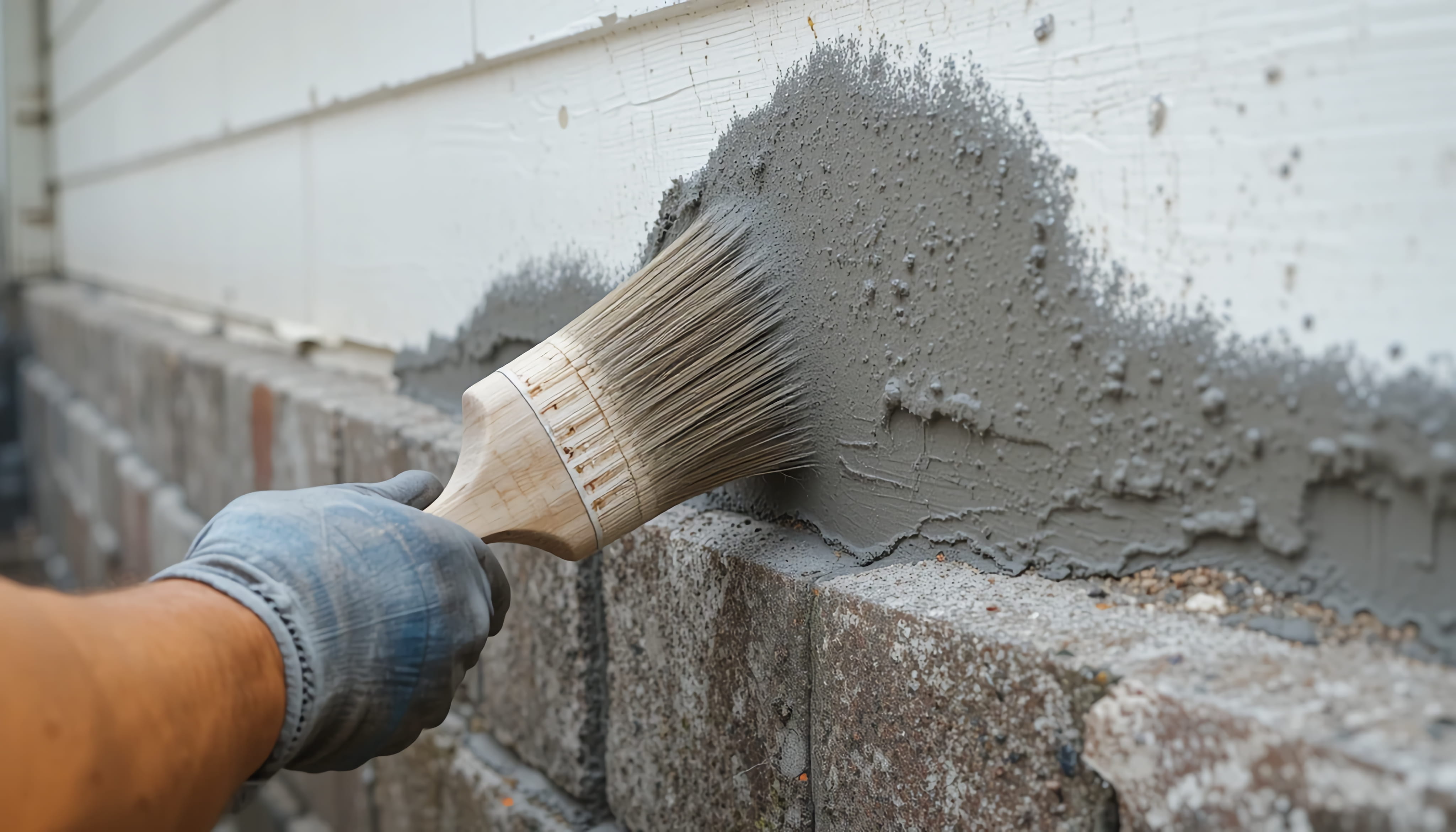
Construction and renovation leave their marks. A new brick veneer wears a cloudy film of mortar haze, windows are speckled with paint, siding carries stray drips of concrete, and the driveway shows overspray from the painters next door. These residues are more than cosmetic, because some can bond permanently if left, and some can damage the surfaces they sit on. Removing them takes more than a quick pass with a pressure washer. Each type of residue needs its own method, and using the wrong one can etch glass, burn brick, strip finishes, or push water where it doesn't belong. Understanding what you're dealing with, and acting early, makes cleanup easier and safer.
Why Construction Residue Is Different
Ordinary dirt sits on the surface, while paint, mortar, concrete, and adhesives chemically bond or harden. As they cure, they become harder to remove, so timing matters. Fresh splatter can often be wiped or washed away, while cured material may need scraping, specialized cleaners, and patience.
Act Early
The sooner you deal with residue, the easier it is. Mortar haze is most easily removed in the first days after it appears, and fresh paint overspray responds to gentler cleaners than paint that has cured for months. If you see residue after a project, ask the contractor about cleanup before final payment.
Identify the Residue First
Before cleaning, work out what you have. Cloudy white film on brick or stone is likely mortar haze or efflorescence. Small flecks of color on glass or siding are probably overspray. Gray crusty drips are concrete or mortar. Sticky or glossy smears may be adhesive or caulk. Identification determines the product and the method.
Test in a Hidden Area
Every removal method should be tested on a small, inconspicuous spot first. Brick, stone, painted surfaces, and coatings react differently to solvents and acids. A test patch shows whether the method works and whether it damages the surface, before you commit to the whole wall.
Mortar Haze on New Brick
Mortar haze is a thin, cloudy film of cement left on brick and stone when mortar is applied and tooled. It usually shows up a few days after installation, once the surface dries. Left in place, it can be very hard to remove and can permanently dull the appearance of masonry.
Waiting for Mortar to Cure
Cleaning masonry too soon can damage fresh mortar and wash discoloration into the joints. Many guidelines suggest waiting several days to a couple of weeks, depending on conditions and product instructions. Check with the mason, and follow the manufacturer's recommendations.
Cleaning Mortar Haze
Light haze can sometimes be removed with scrubbing using a stiff nylon brush and water. Stubborn haze may need a cleaner made for new masonry. Pre-wetting the wall, applying the cleaner, scrubbing, and rinsing thoroughly are standard steps. Strong acids can burn masonry and harm plants, so professionals use them with care, or avoid them.
Protecting Surroundings
Masonry cleaners can damage windows, metal, painted surfaces, and plants. Cover or rinse nearby materials, and protect landscaping. Rinse thoroughly so no cleaner remains in the brick or pores, which can cause staining later.
Efflorescence on New Masonry
New brick, block, and concrete often develop white salt deposits as moisture moves through them. These typically appear in the first months and diminish as the masonry dries. Dry brushing and mild cleaning can remove them. If they keep coming back, there may be a moisture source that needs to be addressed.
Paint Overspray on Siding
Overspray lands as a fine mist of paint, and it can dull or spot siding, trim, and fixtures. On vinyl and some painted surfaces, gentle solvent cleaners or specialized overspray removers can lift it without damage. Always test first, since harsh solvents can melt or cloud vinyl.
Paint on Glass
Paint on windows is common after exterior painting. Fresh paint can be wiped away with water and mild cleaners, and cured paint can often be removed using a sharp razor scraper held flat on the glass, with plenty of lubrication. Take care around coated and tempered glass, window films, and seals.
Paint on Brick, Stone, and Concrete
Paint on porous masonry soaks in and is difficult to remove. Specialized strippers, careful scraping, and low-pressure washing may help. Heavy paint may be impossible to remove fully without damaging the surface. Prevention, with masking, is far easier than cure.
Paint on Vehicles and Fixtures
Overspray on cars, light fixtures, and metal surfaces should be treated with products designed for those surfaces. Automotive clay and detail sprays can remove overspray from paint without scratching. Don't use abrasive pads or harsh solvents on finishes.
Concrete and Mortar Splatter
Drips and splatters of concrete or mortar are hard and gray, and they stick to siding, trim, windows, and pavers. Fresh splatter can be washed off, while cured material can be carefully chipped away with plastic scrapers. Hard metal scrapers can gouge surfaces. Specialized concrete removers may help on tough areas.
Concrete on Windows and Siding
On windows, cured cement film can etch the glass if left, and it should be removed carefully with appropriate products. On vinyl and painted siding, avoid scratching. Soft scrapers, patience, and gentle cleaners protect finishes. Persistent splatter may need professional attention.
Adhesive and Caulk Smears
Adhesive, sealant, and caulk smears can be removed with solvents suited to the material, such as products labeled as adhesive removers. Silicone smears are especially stubborn, and they can prevent paint from adhering. Test solvents on a hidden area, and avoid damaging plastics and finishes.
Stucco and Plaster Splatter
Stucco and plaster splatter on adjacent surfaces should be removed gently while still soft if possible. Dry splatter can be chipped or dissolved depending on the surface. Take care not to damage the underlying finish.
Pressure Washing Residue Safely
Pressure can lift loose residue, but too much pressure damages siding, mortar, and windows. Use wide fan tips and moderate pressure, and keep your distance. Soft washing methods can handle many residues with less risk. Pressure alone rarely removes bonded paint or mortar.
Soft Washing and Cleaning Solutions
Soft washing uses low pressure and specialized solutions to lift residues without damaging surfaces. It's useful for siding, stucco, and painted surfaces where high pressure is risky. The right solution, dwell time, and rinsing are key.
Dealing With Paint Over Cleaning Residue
Residue left behind from cleaners or strippers can interfere with later painting or sealing. Rinse thoroughly, and allow surfaces to dry. If you plan to repaint, ask your painter about compatibility and prep.
Avoid Sandblasting and Harsh Abrasives
Abrasive blasting strips the surface from brick, softens edges on stone, and scars siding. It can create permanent damage far worse than the residue. Gentler methods are almost always better.
Protecting Plants and Water Runoff
Cleaning solutions and dissolved residues can harm plants and contaminate runoff. Wet plants beforehand, cover delicate ones, and rinse afterward. Follow local rules about discharge to storm drains.
Safety Precautions
Wear eye protection, gloves, and appropriate respiratory protection when using strong cleaners or scraping. Ventilate when working near enclosed areas. Never mix chemicals. Follow product labels.
When Residue Reveals Bigger Problems
Persistent efflorescence, spalling brick, or deteriorating mortar may signal moisture or construction problems. If cleaning reveals damage, document it and talk to the builder or a mason. Fixing the cause is more important than removing the stain.
Builder Warranties and Documentation
If the residue came from new construction or contractors, take photos, note dates, and raise the issue promptly. Warranty coverage and responsibilities vary, and early documentation helps. Ask your contractor what cleanup is included in the contract.
Sealing After Cleaning
Once masonry is clean and dry, a breathable water repellent may help protect it, depending on the material. Some sealers can trap moisture or change appearance, so test first. Not every surface needs sealing.
DIY or Professional
Light residue can be handled by a careful homeowner with the right products and test patches. Cured paint, concrete, and widespread haze are better handled by professionals who know the materials and have the right tools. Mistakes can permanently damage surfaces.
Cost Considerations
Costs depend on the type and amount of residue, the surfaces affected, and the methods needed. Removing residue is labor-intensive, but it's typically far cheaper than replacing damaged materials. Get a quote after an inspection.
Questions to Ask a Contractor
How will you identify the residue? What methods will you use on each surface? Will you test first? How will you protect plants and windows? What guarantee do you offer? Clear answers show a careful approach.
Preventing Residue on Future Projects
Masking and protecting surfaces, using drop cloths, controlling spray, and cleaning splatter promptly all reduce residue. Include cleanup expectations in contracts for painting, masonry, and concrete work. Good communication prevents surprises.

Is construction residue spoiling your home's new look? Our crew identifies each residue, tests gentle methods first, removes mortar haze, overspray, and concrete splatter from brick, siding, glass, and concrete, and protects your plants and finishes along the way. You'll get a clear plan before we start. Request your free pressure washing estimate today.

Karter & Co


