

PVC Decking vs. Composite: Is Fully Synthetic Worth the Extra Cost?
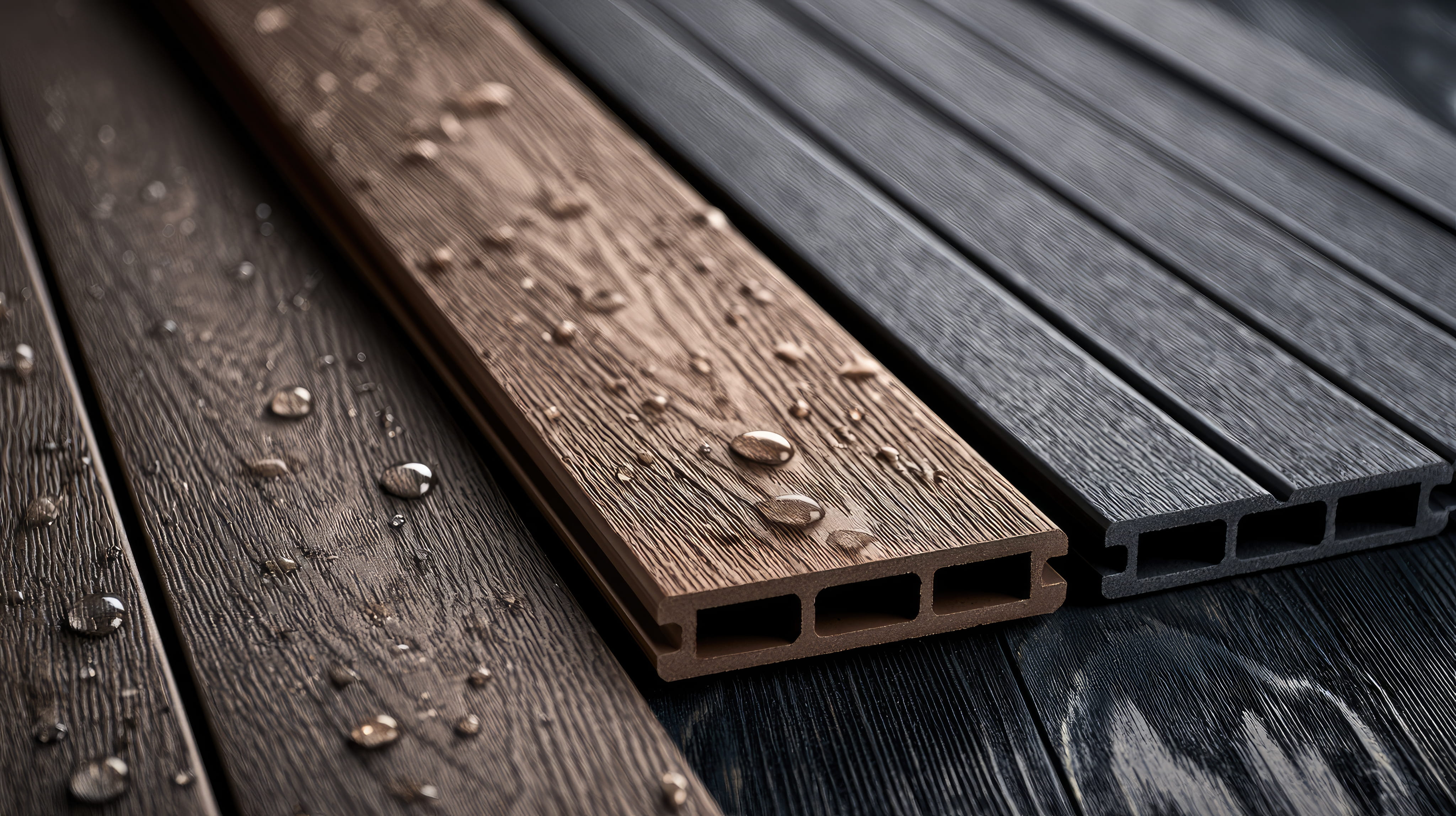
Walk through any decking showroom and you'll see two families of low-maintenance boards side by side: composite and PVC. They look similar, they're sold by many of the same brands, and both promise relief from staining and sealing. But they're built differently, and those differences show up in how they handle water, heat, stains, and time. If you're considering a low-maintenance deck, understanding what separates PVC from composite will help you spend where it matters and avoid paying for features you don't need.
What Composite Decking Is Made Of
Composite boards are typically made from a blend of wood fibers or flour and plastic, bonded with additives and pigments. The wood content gives them a more natural texture and stiffness, while the plastic provides resistance to rot and insects. Because they contain wood, composite boards can absorb some moisture, and the surface protection varies from product to product.
What PVC Decking Is Made Of
PVC decking contains no wood. It's made of polyvinyl chloride, the same family of materials used in pipes and trim, formed into boards that are often hollow or cellular to reduce weight. Because there is no organic material in the board, PVC is highly resistant to moisture, mold, and insects. It's often marketed as the most durable low-maintenance option.
Capped Composite: The Middle Ground
Many modern composite boards are capped, meaning they have a protective polymer shell around the core. The cap improves resistance to fading and staining and limits moisture absorption. Capped composite closes much of the gap between traditional composite and PVC, so comparing a capped composite with PVC is more useful than comparing an uncapped board.
Moisture Resistance
PVC leads on moisture. Because it has no wood fiber, it doesn't swell, rot, or grow mold from the inside. Capped composites handle moisture well, but cut ends and scratches can expose the core. In wet environments such as poolside decks, docks, and humid regions, PVC's resistance gives peace of mind.
Stain and Mold Resistance
Both materials resist most stains better than wood, but they aren't stain-proof. Spills like grease, wine, and rust can mark any surface if left. PVC and good capped composites tend to clean up easily with soap and water. Mildew can form on the surface of any deck where dirt accumulates, so occasional cleaning is still important.
Surface Temperature and Comfort
Plastic boards can get hot in direct sun, especially darker colors. PVC often has heat-reflective formulations, but surface temperature still depends on color and exposure. Lighter shades and products engineered for heat reduction stay more comfortable for bare feet. If your deck sits in full sun, look up manufacturer information and test samples outdoors.
Weight and Handling
PVC boards, particularly hollow profiles, are lighter than composite, which makes them easier to carry and install. Lighter weight also reduces load on the structure. Composite is heavier and stiffer. Installers experienced with each product know how to handle, cut, and fasten them correctly.
Expansion and Contraction
Plastic boards expand and contract with temperature changes, and PVC can move more than composite. Installation must allow for movement by leaving proper gaps at ends and sides, following the manufacturer's spacing and fastening instructions. Poor spacing can cause buckling in summer or large gaps in winter.
Appearance and Texture
Composite boards often have a more wood-like look and texture, and many lines are designed to mimic natural grain. PVC boards have improved dramatically, with realistic grain patterns and rich colors, though some people notice a more uniform, plastic feel. Look at large samples in daylight to judge the look you prefer.
Color Range and Fade Resistance
Both materials offer a wide palette. Quality capped products resist fading, though all colors can lighten slightly over the first months and years. Dark colors show dust and scratches more readily. Ask about fade warranties and what they cover.
Slip Resistance
Textured surfaces provide traction, and some products include grooves or embossed patterns. Wet surfaces on any deck can be slippery, and plastic boards can feel slick when wet unless textured. If your deck is near a pool or in a shady, damp location, ask about slip ratings and consider textured options.
Scratch and Wear Resistance
Capped boards resist scratching better than uncapped products, but no deck is scratch-proof. Furniture legs, grills, and pet claws can leave marks, and light scratches can often be reduced with cleaning or gentle heat guidance from the manufacturer. Use felt pads and protective mats to limit wear.
Fastening Systems
Both composite and PVC can be installed with hidden fastening clips that leave a clean surface, or with face screws designed for the product. Hidden systems look better and avoid exposed holes, but they require careful installation. Use fasteners recommended by the manufacturer to maintain warranty coverage.
Cost Comparison
PVC generally costs more than composite, and premium capped lines cost more than entry-level composite. The price difference may be modest on a small deck and significant on a large one. Consider where the extra investment delivers the most value, such as wet or high-exposure areas.
Warranty Terms
Manufacturers offer warranties that often cover fading, staining, and structural defects for many years. Read the details: what's covered, what's excluded, whether the warranty is transferable, and whether professional installation is required. Warranty coverage can influence your choice.
Lifespan and Long-Term Performance
Both materials can last many years with minimal maintenance. PVC's immunity to moisture gives it an edge in the harshest conditions, while quality capped composite performs well in most residential settings. Real-world performance also depends on installation, ventilation, and care.
Environmental Considerations
Many composite products use recycled wood and plastic, which appeals to environmentally minded buyers. PVC is a plastic product, and some manufacturers offer recycling programs or use recycled content. If sustainability matters, ask about recycled content and end-of-life options.
Framing Needs
Both PVC and composite typically require joists spaced closer than you might use for wood, because the boards are more flexible. Follow the manufacturer's span recommendations. Because the framing underneath is often pressure-treated wood, plan for its maintenance and longevity as well.
Cleaning and Care
Sweep regularly, wash with mild soap and water, and rinse thoroughly. Avoid abrasive tools and harsh chemicals that may damage the surface. For stubborn stains, use cleaners recommended by the manufacturer. A modest routine keeps boards looking fresh.
Which Is Better for Poolside and Dock Use
PVC is often preferred where constant moisture, splashing, and humidity are the norm, since it doesn't absorb water. Some composites are designed for these environments too. In any wet setting, ask about slip resistance, temperature, and chemical resistance.
Questions to Ask Before Choosing
Is this board capped? How does it handle heat and moisture? What is the spacing requirement? What do the warranty terms say? How does it look after years of use? Seeing installed examples and speaking with the installer helps you decide.
Installation Details That Make a Difference
Both PVC and composite perform best when installed according to the manufacturer's instructions. That means proper joist spacing, correct gaps between board ends and sides, appropriate fasteners, and attention to temperature at the time of installation. Boards installed in cold weather will expand in the heat, and boards installed in heat will contract in the cold, so gaps must be set accordingly.
Brand and Product Line Differences
Not all boards are equal. Entry-level lines may have thinner caps or simpler textures, while premium lines offer deeper embossing, multi-tonal color, and stronger warranties. Within each category, performance varies. Compare specific products rather than categories, and look at warranty terms, cap thickness, and independent reviews.
Sound and Feel
Hollow PVC boards can sound different underfoot than solid composite, and some people notice a slightly hollow tone. Solid boards feel more substantial. If this matters to you, walk on installed samples before deciding. The feel of a deck is part of the experience, and it's easy to overlook until you're living with it.
Trim, Fascia, and Stair Components
Matching fascia boards, stair risers, and trim pieces give a finished look and hide edges. Make sure the product line you choose offers coordinating accessories. Fascia is especially important for hiding board ends and framing.
Real-World Ownership Tips
Clean spills promptly, sweep debris so it doesn't trap moisture, keep grills on protective mats, and avoid dragging heavy furniture. Check fasteners and clips periodically. These simple habits protect the surface and preserve your warranty.
End-of-Life and Recycling
Ask manufacturers about recycling programs or take-back options. Some products can be recycled into new boards, and some can be reused. Considering the full lifecycle of the material can inform your choice if sustainability is a priority.
Matching PVC or Composite to Your Climate
Hot, sunny regions benefit from lighter colors and heat-mitigating formulations, while cold climates demand attention to expansion gaps and impact resistance. Humid areas favor boards with strong moisture and mold resistance. Ask local installers which products have performed best in your area, and look at installations that are several years old.

Weighing PVC against composite? We'll show you real samples, explain how each performs in sun, rain, and heat, and price both so you can decide where the extra cost is worth it. Our crew installs both with the spacing and fasteners the manufacturers require, so your warranty stays intact. Request your free deck building estimate today.

Karter & Co


