

Pressure Washing for Property Managers: Keeping Rentals, HOAs, and Storefronts Looking Sharp
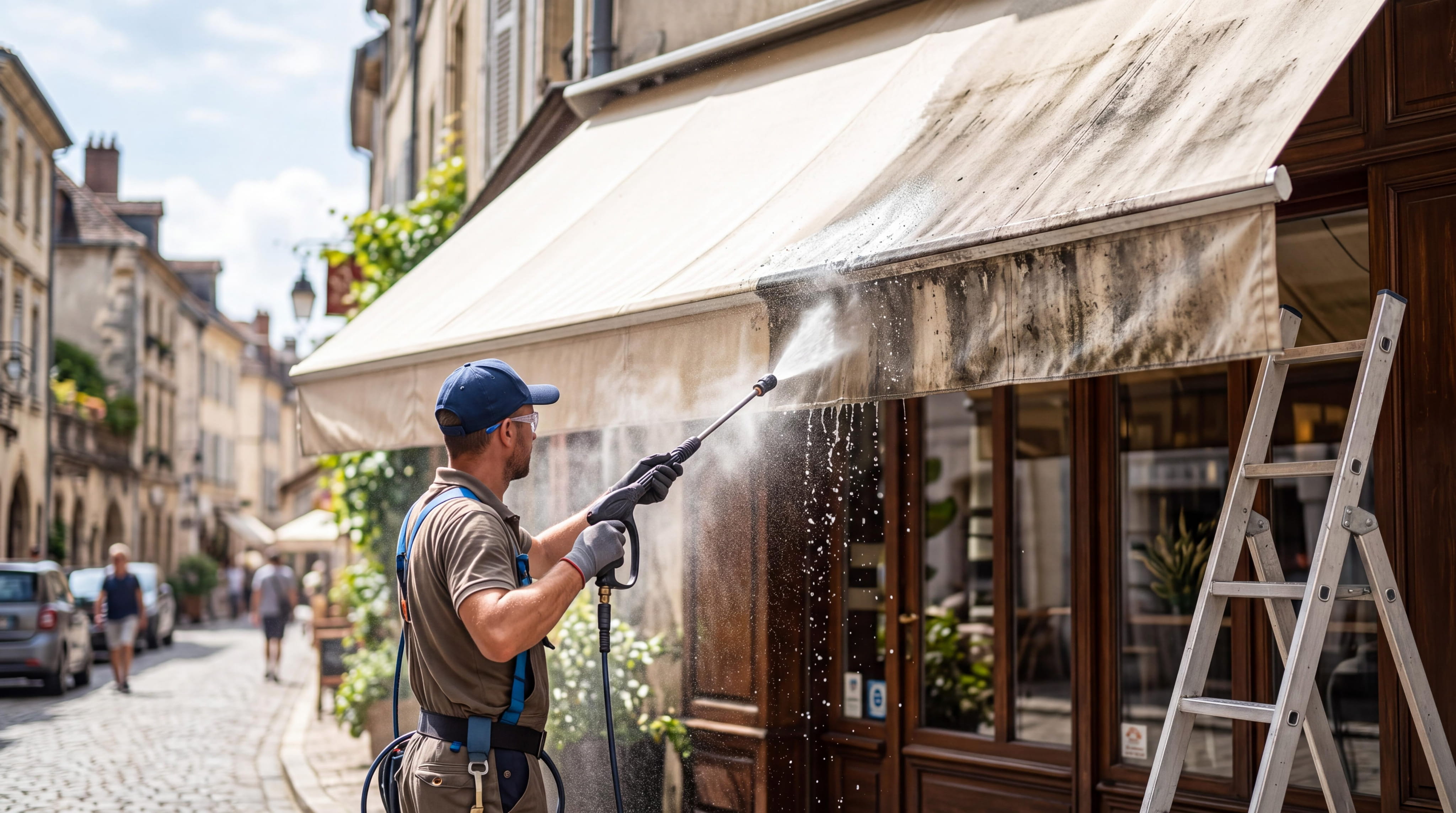
Curb appeal isn't just a homeowner's concern. For property managers, landlords, HOA boards, and business owners, exterior condition shapes first impressions, leasing speed, tenant satisfaction, and even safety. Algae on walkways, stained parking spots, grimy siding, and dirty entry areas quietly signal neglect, and prospective tenants and customers notice. A regular cleaning program, delivered by a professional crew, keeps properties looking cared for and helps protect the surfaces underneath. Understanding what to clean, how often, and how to work with a contractor makes the program efficient and affordable.
Why Exterior Cleaning Matters for Managed Properties
First impressions drive leasing and retention. A clean entrance, bright siding, and spotless walkways tell prospects that the property is well managed. For commercial properties, a clean storefront draws customers. Cleanliness also reduces slip hazards and prevents surface damage that leads to costly repairs.
Cleaning Supports Leasing Speed
Vacant units sitting longer cost money. A fresh exterior, along with clean entry areas and walkways, makes a unit more appealing in photos and showings. Many managers schedule pressure washing as part of a unit turn or listing prep.
Safety and Liability
Algae and mildew make walkways, steps, and ramps slippery. Oil and grime on parking surfaces create hazards. Regular cleaning reduces slip-and-fall risks, which can lead to injuries and liability claims. Cleaning is a form of risk management.
What to Clean at a Typical Property
Common areas include sidewalks, entryways, stairs, breezeways, parking lots and garages, dumpster pads, building siding, trim, fences, gates, pool decks, signage, and storefront glass and facades. Prioritize high-visibility and high-traffic areas first.
Concrete, Sidewalks, and Parking Areas
Concrete takes the brunt of foot and vehicle traffic. Surface cleaners remove embedded dirt, oil stains, and gum, restoring a clean, even look. Parking areas collect oil drips, tire marks, and debris. Regular cleaning keeps them presentable and reduces slipperiness.
Dumpster Pads and Trash Areas
Trash enclosures and dumpster pads accumulate grease, food waste, and odors. They require hot water or degreasers and proper containment of wastewater. Keeping them clean reduces pests and odors, and improves the overall look of the property.
Building Exteriors and Siding
Siding, stucco, and painted surfaces collect dirt, algae, and mildew. Soft washing cleans these surfaces gently without damaging paint or forcing water behind siding. A clean building exterior makes a dramatic difference and prepares surfaces for painting.
Roofs and High Areas
Roof stains and algae streaks detract from curb appeal and can shorten roof life if left untreated. Roof cleaning should use low-pressure methods and be performed by professionals with proper safety equipment. Don't use high pressure on roofs.
Pool Decks and Amenities
Pool decks, fitness areas, patios, and playgrounds see heavy use and need regular cleaning. Slip resistance matters, so clean surfaces and use appropriate sealers where needed. Amenities are a selling point, and a clean amenity area impresses prospects.
Storefronts and Commercial Facades
Businesses depend on a welcoming exterior. Cleaning storefront facades, entry mats, sidewalks, and signage helps attract customers. Schedule cleaning during off hours to minimize disruption.
Graffiti and Stains
Graffiti, paint overspray, rust, and other stains need specific removal methods. Quick removal discourages repeat vandalism and keeps the property looking cared for. A professional can test methods on a small area to avoid damaging surfaces.
Creating a Cleaning Schedule
Frequency depends on climate, shade, traffic, and surface type. Many properties benefit from an annual or semiannual full cleaning, with more frequent attention to high-traffic areas, dumpster pads, and entry points. A written schedule keeps work predictable and budgets planned.
Seasonal Timing
Spring cleaning removes winter grime and prepares for leasing season. Fall cleaning removes leaves and organic buildup before cold weather. In humid climates, algae grows year-round and may need more frequent cleaning. Align cleaning with your leasing cycle.
Bundling Services
Combining pressure washing with painting, staining, sealing, and minor repairs reduces mobilization costs and simplifies coordination. Cleaning before painting is essential, and cleaning before sealing is required. Bundling gives better scheduling and pricing.
Working With Tenants and Residents
Notify residents before cleaning so they can move vehicles, close windows, and keep pets inside. Clear communication reduces complaints and prevents damage. Post notices with dates, times, and instructions.
Scheduling Around Operations
For commercial and multifamily properties, schedule work during low-traffic times, in phases if needed. Cleaning in sections keeps entrances open and minimizes disruption. A good contractor plans around your operations.
Water Use and Runoff Rules
Cleaning produces wastewater, which may contain soap, oil, and debris. Some areas have rules about discharge into storm drains. Responsible contractors manage runoff, use appropriate products, and follow local requirements. Ask how they handle it.
Protecting Landscaping
Cleaning solutions and runoff can harm plants. Contractors should pre-wet, protect, and rinse landscaping. Make sure your contract addresses plant protection and any needed replacement responsibilities.
Insurance and Credentials
Hire contractors with general liability insurance, workers' compensation where required, and clear references. Ask for a certificate of insurance naming your company or association where appropriate. Insurance protects you from property damage and injury claims.
Safety Practices
Professional crews use proper equipment, signage, and safety procedures to protect the public. Wet surfaces should be marked, and areas should be coned off as needed. Ask about their safety program.
Documenting the Work
Before-and-after photos show the value of the work, support billing, and help track surface condition. Keep records of dates, areas cleaned, and products used. Documentation helps with planning and with any damage claims.
Pricing and Contracts
Pricing may be per project, per square foot, or on a recurring contract. Recurring agreements often provide predictable costs and priority scheduling. Make sure the contract spells out scope, frequency, areas included, and responsibilities.
Budgeting for the Year
Treat exterior cleaning as a line item in your maintenance budget. Regular cleaning is less expensive than the repairs and repainting that result from neglect. Predictable costs make owners and boards happy.
Choosing the Right Contractor
Look for experience with commercial and multifamily properties, proper equipment, insurance, references, and clear communication. A contractor who understands managed properties will offer scheduling flexibility and consistent results.
Targeting High-Impact Areas First
If budgets are tight, start with entrances, main walkways, and the areas that prospects see first. A clean entry and walk can make a stronger impression than a full-property wash. Phase the rest of the work as budget allows.
Preparing Surfaces for Painting and Sealing
Cleaning is the first step before painting, staining, or sealing, and a well-timed wash makes the next project last longer. Coordinate cleaning and follow-up work so surfaces have time to dry. Combining them in one schedule saves time.
Tenant Move-Out Cleaning
During unit turns, patios, balconies, entry steps, and garages often need cleaning. Including these areas in the turn checklist gives every unit a consistent presentation. Quick, efficient cleaning helps units rent faster.
Handling Special Surfaces
Pavers, stamped concrete, stone, brick, and wood all need specific methods and pressures. A contractor who identifies surfaces and adjusts methods avoids damage. Ask how they decide what method to use on each material.
Communication and Reporting
A good contractor provides clear scheduling, timely updates, and a summary after each visit. Reports with photos and notes keep your team informed and your records current. Clear communication makes managing multiple properties easier.
Seasonal Leasing Cycles
Many rental markets peak in spring and summer, so cleaning before the busy season helps units show well. Planning your wash schedule around leasing cycles keeps properties looking fresh when prospects are touring. Off-season cleaning can also be easier to schedule.
Standardizing the Look Across Properties
For owners with multiple properties, using a consistent cleaning schedule and standards makes every property feel well managed. A single vendor relationship simplifies scheduling and billing. Consistency builds your brand with tenants and prospects.
Preventing Re-Soiling
Simple measures, such as trimming shade trees, adjusting sprinklers, fixing gutter overflows, and placing mats, slow the return of algae and dirt. Combining maintenance with cleaning extends the time between washes.
Graffiti Prevention and Quick Response
If a property has a history of vandalism, quick removal and protective coatings can discourage repeat damage. Establish a response plan with your contractor so graffiti is removed promptly. Keeping surfaces clean shows that the property is monitored.
Managing Complaints and Requests
Residents and tenants often notice dirty areas before managers do. A simple system for reporting trouble spots, such as a form or email address, lets you prioritize cleaning where it matters. Sharing the report with your contractor makes follow-up efficient.
Matching the Method to the Budget
Not every surface needs a premium treatment each visit. Light maintenance washing can be scheduled more often, and deeper restoration can happen less frequently. A tiered plan keeps costs reasonable while maintaining appearance.

Want your properties to look their best all year? We clean walkways, parking areas, dumpster pads, siding, roofs, and amenities with the right method for each surface, schedule around your tenants, document every visit, and offer recurring plans for predictable costs. Request your free pressure washing estimate today.

Karter & Co


