

Popcorn Ceiling Removal: Testing, Scraping, and Smooth Alternatives
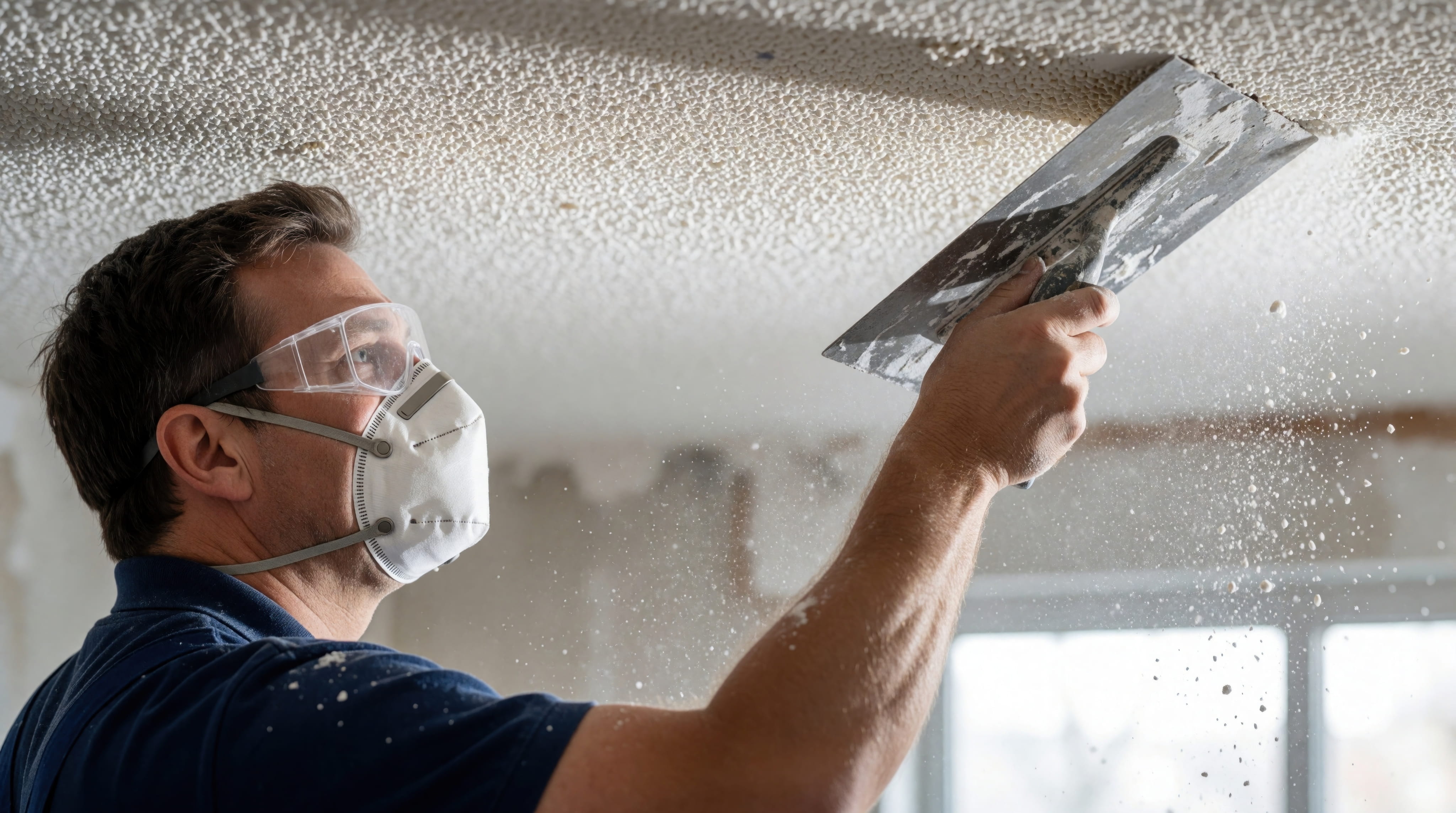
Popcorn ceilings were a popular finish for decades, hiding flaws and dampening sound, but today they look dated, collect dust, and make ceilings hard to clean or repair. Removing the texture can transform a room, making it look taller, brighter, and more modern. It's also one of the messiest and most regulated drywall projects, because in older homes the texture can contain asbestos. Understanding the testing, the removal process, and the alternatives helps you decide how to proceed safely and get a result you'll love.
What Popcorn Texture Is
Popcorn, also called acoustic or cottage cheese texture, is a lumpy coating sprayed onto ceilings. It was applied to hide imperfections in drywall finishing, save labor, and absorb sound. Over time it yellows, collects dust and cobwebs, and becomes brittle and prone to flaking.
Why People Remove It
The main reasons are appearance, cleanliness, and repairs. Smooth ceilings feel modern and reflect light better. Popcorn is hard to patch, nearly impossible to paint evenly, and traps dust and allergens. Removing it also improves lighting and simplifies future work such as installing new fixtures.
The Asbestos Question Comes First
Homes built before the early 1980s may have popcorn texture that contains asbestos. Asbestos is hazardous when fibers become airborne, which happens when the material is scraped, sanded, or damaged. Never disturb popcorn texture in an older home until it has been tested by a qualified professional or accredited laboratory.
How Testing Works
A small sample is carefully collected, following safety precautions, and sent to a laboratory for analysis. Results typically take a few days. If asbestos is present, removal must follow local regulations, and may require a licensed abatement contractor. If it isn't present, removal can proceed with standard precautions.
Local Rules Vary
Regulations on asbestos testing, handling, and disposal differ by location. Some places restrict homeowner removal, while others have specific procedures. Ask your local environmental or building authority, and don't assume the rules are the same everywhere.
Preparing the Room
Even without asbestos, removal is messy. Remove furniture or cover it completely, cover floors with plastic, tape plastic over walls, and seal vents and doorways. Turn off HVAC to prevent dust spreading. Remove or cover light fixtures and ceiling fans.
The Wet Scraping Method
On unpainted popcorn, lightly misting a small area with water softens the texture so it can be scraped off with a wide scraper. Working in small sections prevents the ceiling from becoming too wet. Too much water can damage the drywall paper or cause stains.
Painted Popcorn Is Harder
If popcorn has been painted, water doesn't penetrate, and scraping is more difficult. The texture may need to be scraped dry, which creates more dust, or removed with special techniques. Painted popcorn can also bond more tightly to the drywall.
Avoiding Ceiling Damage
Scraping can gouge the drywall, tear paper, and reveal imperfections. Careful technique and the right tools minimize damage, but some repair is almost always needed. Expect to patch, skim, and sand the ceiling after removal.
Skim Coating for a Smooth Finish
After scraping, a thin layer of joint compound is spread over the entire ceiling to fill imperfections and create a smooth surface. Multiple coats and sanding may be needed. This step transforms the ceiling and takes skill to avoid ridges and tool marks.
Priming and Painting
Primer seals the freshly skimmed ceiling and ensures even paint coverage. Flat ceiling paint hides imperfections best. Because smooth ceilings show flaws under raking light, careful prep and a high-quality finish matter.
Dust Control
Drywall dust is fine and spreads easily. Use plastic barriers, wet methods where appropriate, HEPA vacuums, and thorough cleaning. Wear appropriate respiratory protection. Professionals manage dust to protect your home and their crews.
Cleanup and Disposal
Scraped texture, plastic, and debris must be disposed of properly. If the material contains asbestos, disposal rules are strict. Even in non-asbestos cases, bag debris carefully to avoid spreading dust.
What to Do With Ceiling Fans and Lights
Fixtures need to be removed or protected, and work near wiring should be done safely. Turn off power at the breaker, and have an electrician handle any wiring changes. Reinstall or replace fixtures after the ceiling is finished.
Overlay and Cover Options
If testing shows asbestos, or you want to avoid scraping, you can cover the popcorn instead. Options include installing new drywall over the existing ceiling, adding wood planks, installing ceiling panels, or using tongue-and-groove boards. Covering avoids disturbing the texture but lowers ceiling height slightly.
Encapsulation
In some situations, sealing popcorn with a special coating can be an alternative that doesn't remove it. This approach may be appropriate for asbestos-containing material in good condition, but only under professional guidance and local rules.
Re-Texturing Instead of Removing
If you want to keep some texture but update it, popcorn can be covered with a new texture such as knockdown or orange peel after proper preparation. This hides the old pattern and improves appearance without scraping.
Water Stains and Hidden Problems
Removal can reveal water stains, cracks, or tape failures hidden under the texture. Address leaks and repair damaged areas before finishing. Don't paint over stains without sealing them with a stain-blocking primer.
How Long It Takes
A typical room can take a couple of days, including prep, scraping, skim coating, drying, sanding, priming, and painting. Larger areas take longer. Testing and potential abatement add more time.
Cost Factors
Cost depends on ceiling area, texture condition, whether it's painted, asbestos testing and abatement, repair needs, and finishing level. Testing adds a modest cost, while abatement can be significant. A detailed quote after inspection gives the clearest picture.
DIY or Professional?
Removing popcorn is physically demanding, messy, and potentially hazardous. Professionals have the tools, containment systems, and finishing skills to deliver a smooth ceiling. If asbestos is present, use licensed professionals.
Protecting Your Family During the Project
Keep children, pets, and anyone sensitive to dust away from the work area. Seal the room, and stay out until it has been cleaned. If asbestos is involved, follow professional guidance on containment and re-entry.
Common Mistakes
Skipping testing, scraping dry in an older home, over-wetting the ceiling, skipping skim coating, and rushing the finish are common errors. Each can lead to health risks, damage, or a poor result.
Questions to Ask a Contractor
Do you test for asbestos? How will you contain dust? What's included in the finish level? How will you handle damage and repairs? What's your cleanup process? Clear answers show a safety-minded professional.
Dealing With Ceiling Cracks and Seams Revealed Under Texture
Popcorn texture can hide cracked tape, poorly finished seams, and old repairs. Once the texture is removed, these flaws become visible and must be repaired. Taping, mudding, and sanding take extra time but are essential for a smooth ceiling.
Choosing Between Orange Peel and Knockdown After Removal
If you prefer some texture instead of a perfectly smooth ceiling, a light orange peel or knockdown can be applied after the surface is prepared. These finishes hide minor flaws and are easier to repair than flat ceilings. Ask for samples so you can see the pattern.
Lighting Changes After Removal
Smooth ceilings reflect light differently, often making rooms feel brighter. They can also reveal flaws under certain lighting, such as recessed lights and window glare. Plan for a high-quality finish, and consider the effect of lighting on appearance.
Timing the Project
Ceiling work is disruptive, so many homeowners schedule it before painting walls, installing flooring, or moving into a new home. Starting with an empty room is easiest. Plan temporary storage for furniture, and allow a few days for the process.
Protecting HVAC and Electronics
Dust can enter vents and electronics. Cover supply and return vents, unplug and cover devices, and replace HVAC filters after the project. A thorough cleanup protects your system and keeps dust from spreading.
Insulation and Attic Considerations
Ceilings often have insulation above them, and scraping or skim coating can loosen dust and debris from above through gaps. Sealing gaps around fixtures and checking the attic can prevent dust from settling into rooms. If you plan to upgrade insulation, doing it while the ceiling is open may make sense.
Matching the Ceiling Finish to the Walls
A smooth ceiling looks best with walls in good condition. If walls have heavy texture, consider the overall look and whether a lighter texture on the ceiling feels cohesive. Many people refresh walls at the same time so the whole room looks updated.
Planning for Recessed Lighting
A smooth ceiling is a good opportunity to add recessed lights or update fixtures. Plan wiring and layout before finishing, so openings are cut cleanly and patched neatly. Coordinating lighting with ceiling work saves repair later.

Ready for a smooth, modern ceiling? We help you test first, follow local safety rules, contain dust, scrape or cover popcorn texture, skim coat to a clean finish, and prime and paint, so the room looks brighter and fresher. You'll know the plan and the price before we start. Request your free drywall estimate today.

Karter & Co


