

Pests and Odors in a Rental Turn: How to Spot Them, Fix Them, and Prevent Them
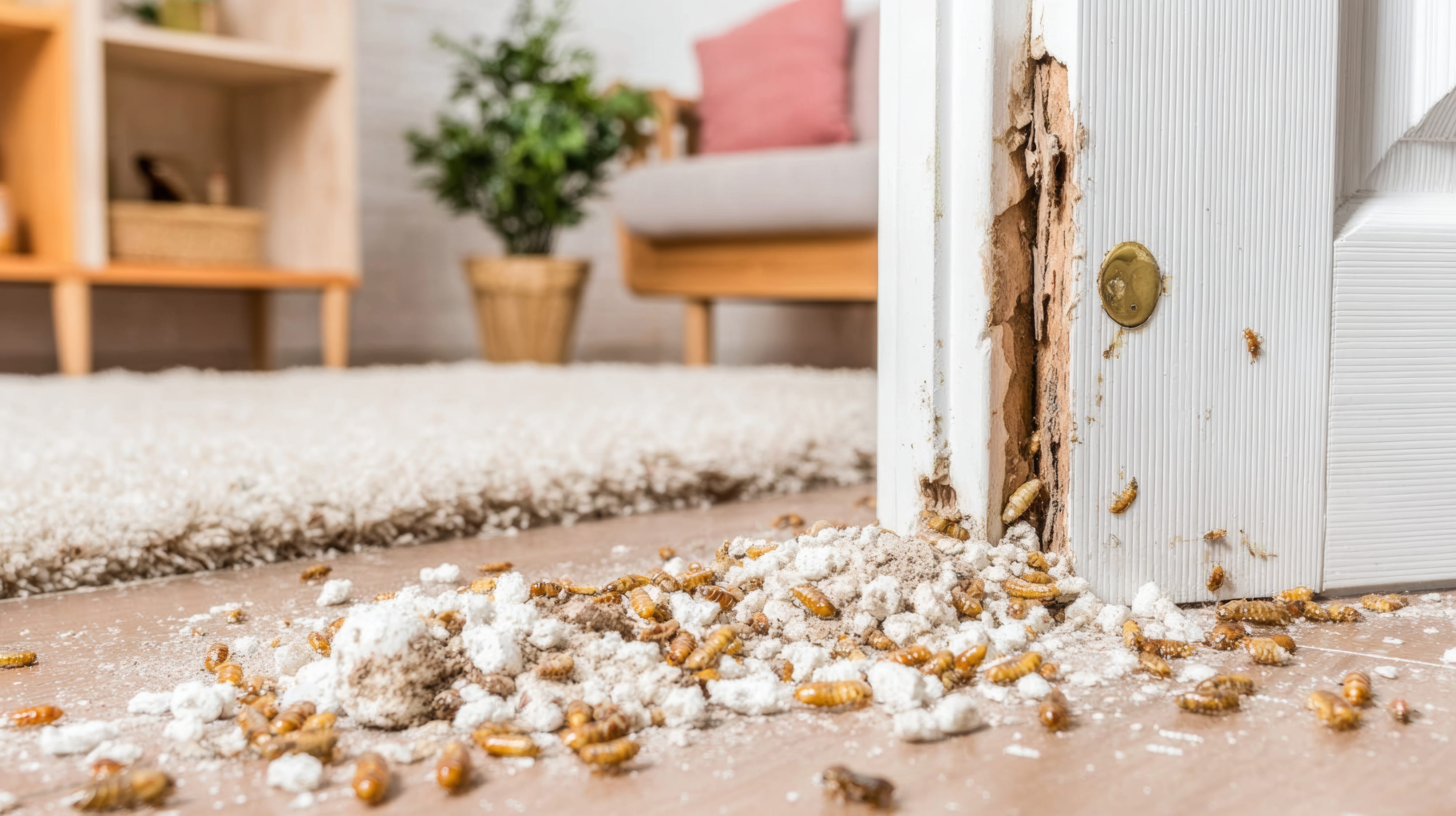
Few things sink a rental listing faster than a smell or a bug. A prospective tenant who steps into a unit and notices a musty, smoky, or pet-related odor, or spots evidence of pests, is likely to walk away or negotiate hard. For owners and managers, odors and pests are among the trickiest problems in a turn because they often have hidden sources and don't respond to surface cleaning. Handling them well means finding the cause, treating it correctly, and verifying the result before the next tenant arrives.
Why Odors and Pests Matter So Much
Odors and pests signal neglect, even when the cause is unrelated to your maintenance. They affect how quickly a unit rents, the quality of applicants, and early tenant complaints. They can also point to underlying problems like moisture, leaks, or structural gaps that need fixing.
Start With the Move-Out Inspection
Walk the unit with your senses on alert. Notice smells as you enter, check under sinks, behind appliances, in closets, and in cabinets, and look for droppings, nests, damage, and dead insects. Take photos and notes. Early detection helps you schedule the right trades and avoid surprises.
Common Signs of Pests
Droppings, gnaw marks, grease marks along walls, shed skins, egg casings, dead insects, nests, and unusual sounds in walls are all signs. Cockroaches leave small droppings and may appear at night. Rodents leave larger droppings and chew through materials. Bed bugs leave small stains on bedding and furniture and are difficult to detect without careful inspection.
Where Pests Hide
Pests favor warm, dark, undisturbed places: under sinks, behind refrigerators and stoves, in cabinets, in wall voids, in attics and crawl spaces, and around plumbing penetrations. Inspect these areas with a flashlight and a mirror.
Find the Entry Points
Pests enter through gaps around pipes, vents, doors, and foundation cracks. Sealing these openings with caulk, foam, steel wool, or screening prevents reinfestation. Treating pests without sealing entry points is a short-term fix.
Moisture and Pests
Many pests are attracted to moisture. Leaks under sinks, around toilets, and near water heaters create ideal conditions. Fix leaks and dry affected areas as part of pest control. Eliminating moisture removes the reason they came.
Call a Licensed Professional
Pest control requires specialized knowledge and products. A licensed pest control professional can identify the pest, choose appropriate treatments, and advise on follow-up. Attempting heavy infestations without professional help often fails. Coordinate treatment timing with the rest of the turn.
Treatment Timing
Schedule pest treatment early in the turn, so there's time for follow-up and verification. Some treatments require the unit to be vacant for a period. Paint, flooring, and cleaning should be coordinated so treatments aren't disrupted or compromised.
Document Treatments
Keep records of pest treatments, dates, and products used. Documentation helps with tenant communication, warranty claims, and any disputes. It also shows that you took the problem seriously.
Common Sources of Odors
Odors may come from pets, smoking, cooking, mildew, trash, spoiled food in appliances, sewer gases, and old carpet and padding. Each source needs a different approach. Identifying the source is the first step toward eliminating the smell.
Smoke Odors
Smoke particles settle into walls, ceilings, carpet, and ductwork. Eliminating smoke odor involves thorough cleaning, sealing primers on walls and ceilings, replacing carpet and pad, and cleaning or replacing HVAC filters and sometimes ducts. Painting alone without sealing often allows the smell to bleed through.
Pet Odors
Pet urine soaks into carpet pads, subfloors, and baseboards. Surface cleaning won't remove it. Enzymatic cleaners break down organic odors, and severe cases require removing carpet, padding, and sometimes sealing or replacing the subfloor. Treat the source thoroughly before installing new flooring.
Mildew and Musty Smells
Mildew indicates moisture. Find and fix the source, such as a leak, poor ventilation, or condensation. Clean affected surfaces, dry the area, and use a mildew-resistant primer if needed. If mold is extensive, call a qualified remediation professional.
Kitchen and Appliance Odors
Grease buildup, spoiled food, and dirty drains cause persistent kitchen odors. Clean and degrease the oven and range hood, clean the refrigerator and drip pan, flush drains, and clean the disposal. Replace filters in range hoods.
Bathroom Odors
Bathroom odors often come from drains, wax rings, mold, or poor ventilation. Check for leaks around toilets, clean drains, test exhaust fans, and caulk seams. A failing wax ring may need replacement by a plumber.
Sewer Gas Smells
A sewer smell may indicate a dry trap, a failed seal, or a more serious plumbing problem. Running water in unused drains can refill traps. If the smell persists, call a licensed plumber to investigate.
HVAC and Ductwork
Smells can circulate through vents. Replace filters, clean vents, and consider professional duct cleaning if odors persist. Check for moisture or debris in the system.
Replace What Can't Be Cleaned
Some materials hold odors permanently, such as saturated carpet pad, smoke-damaged insulation, and heavily soiled subfloor. Replacing them is often faster and more effective than attempting repeated cleaning. Deciding early saves time.
Sealing Primers
Odor-blocking primers can seal in residual smells after thorough cleaning. They work on walls, ceilings, and some subfloors. They are a finishing step, not a replacement for removal and cleaning.
Ventilation and Air Quality
Opening windows, running fans, and using air movers help dissipate odors during the turn. Avoid masking smells with fragrances, which fade and may be considered deceptive. Aim for a genuinely neutral smell.
Verify Before Showing
After treatment and cleaning, walk the unit again, ideally after it has been closed up for a few hours. A fresh nose can detect lingering problems. Fix any remaining issues before photos and showings.
Prevention Between Tenants
Encourage prompt reporting of leaks and pests, schedule periodic inspections, maintain seals and caulk, and provide tenants with guidance on trash and food storage. Preventive habits reduce the frequency and severity of problems.
Communicate With the Next Tenant
Be honest about any past issues and what was done to resolve them. Providing treatment records builds trust and avoids disputes. Follow local disclosure requirements.
Bed Bugs Need Special Attention
Bed bugs are hard to detect and hard to eliminate. Signs include small dark stains on mattresses and furniture, shed skins, and bites on occupants. Treatment requires a licensed professional and often multiple visits. Don't move furniture out of an infested unit without guidance, since this can spread them.
Rodent Exclusion Details
Mice can squeeze through very small gaps. Seal openings around pipes, vents, and foundations with durable materials such as steel wool, metal mesh, and sealant rather than soft foam alone. Inspect door sweeps and garage doors. Trapping and baiting should be handled by a professional, and entry points sealed afterward.
Cockroaches and Kitchens
Roaches are drawn to food residue, grease, and moisture. Deep cleaning behind and under appliances, sealing cracks, fixing leaks, and professional treatment are all part of control. Leave appliances and cabinets clean and dry so the problem doesn't return.
Neutralizing vs. Masking Odors
Air fresheners cover smells temporarily, but odors usually return. Neutralizing involves removing the source, cleaning thoroughly, using enzymatic or appropriate cleaners, and sealing porous surfaces. A neutral smell is more convincing and lasts longer than a perfumed one.
Should You Clean the Ducts?
If smoke, pets, or mildew have affected the home, odors may persist in ductwork. Replacing filters and cleaning registers helps, and professional duct cleaning may be warranted in severe cases. Evaluate the cost against the severity of the problem.
Educate Tenants
Give new tenants simple guidance on trash, food storage, ventilation, and reporting leaks or pests. Clear expectations reduce problems and help you respond quickly when something does arise. Include contact information for maintenance requests.
Budgeting for Pests and Odors
Pest treatment, deep cleaning, sealing primers, and replacement of carpet or pad can add to a turn budget. Treating these items as a standard line in your planning prevents surprises. Early inspection reveals the scope so you can plan the schedule and cost.
Working With Pest Control Professionals
Ask the pest company to explain what they found, what they treated, and what follow-up is needed. Request a written report and ask about warranties on the treatment. Share the report with your turn crew so cleaning, painting, and flooring don't interfere with products or monitoring stations.
Re-Inspect After Treatment
Pests don't always disappear after one visit. A follow-up inspection a week or two later confirms that the treatment worked. If you see signs of activity, report them right away and schedule another visit. Rushing a unit to market with an unresolved problem invites complaints.
Odor Testing in Different Conditions
Odors can seem to vanish on a cool day and return when it's warm or humid. Check the unit at different times and, if possible, after running the heating or cooling system. A smell that appears only under certain conditions points to a hidden source.

Don't let a smell or a pest delay your next lease. Our turn crews inspect for pests and odor sources, coordinate licensed treatment, replace what can't be cleaned, seal and prime properly, and verify the result before the unit is shown. You'll get a clear plan and a ready date. Request your free make-ready estimate today.

Karter & Co


