

Painting Your Front Door and Entry: A Fast Curb Appeal Upgrade
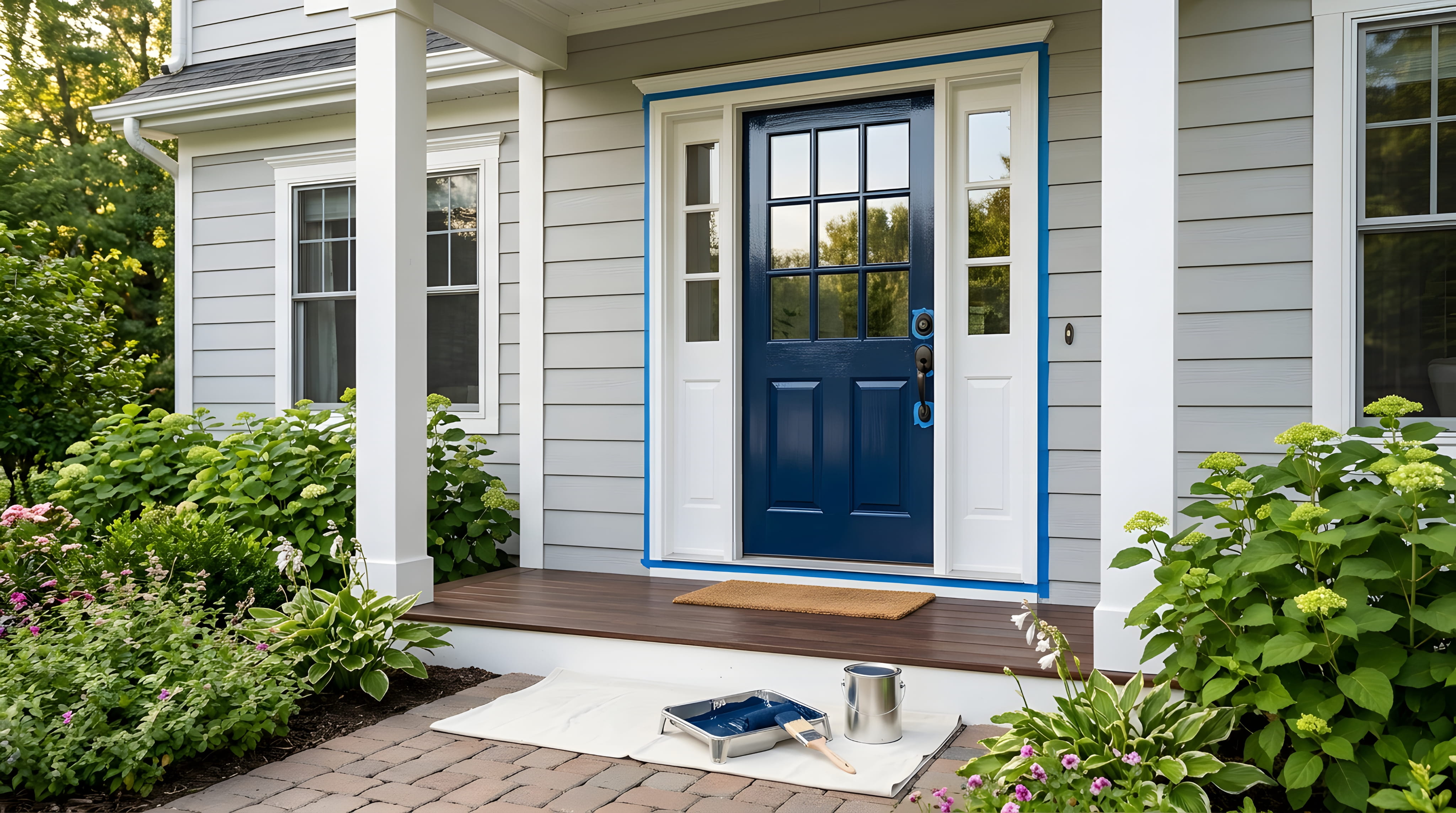
If you want the biggest curb appeal improvement for the smallest investment, look at your front door. It's the focal point of the facade, the first thing visitors touch, and the surface that takes the most weather and wear. A tired, faded, or peeling door makes the whole house look neglected, while a freshly painted one can make it look cared for and welcoming. The same is true of the trim, shutters, and entry details around it. With the right preparation, paint, and color, an entry refresh is a manageable project with a big payoff.
Why the Front Door Matters
The front door is where people focus when they look at a home. Buyers notice it in listing photos, guests notice it when they arrive, and you see it every day. A well-maintained door signals quality and care, while a worn door can undercut even a beautiful house.
Know Your Door Material
Wood, steel, and fiberglass doors each need different handling. Wood needs careful sanding and priming and can warp or rot if neglected. Steel can rust if the coating is damaged and must be primed with a rust-inhibiting primer. Fiberglass holds paint well but needs the right primer and paint to avoid cracking or peeling.
Inspect Before You Paint
Check for rot at the bottom edge, cracks, loose panels, rust, and failing weatherstripping. Repairs should come first, because paint won't fix structural problems. Look at the frame, threshold, and trim, which often show wear before the door itself.
Remove Hardware
Taking off the knob, deadbolt, hinges, kick plate, and house numbers makes it easier to paint cleanly and avoids drips. If you can't remove a piece, mask it carefully. Removing the door and laying it flat produces the smoothest finish, though many people paint it in place.
Cleaning and Sanding
Wash the door with a gentle cleaner to remove dirt, grease, and mildew, then rinse and let it dry. Sand glossy or peeling areas to create a surface that paint can grip. Feather the edges of any remaining paint so repairs blend in.
Priming
Bare wood, metal, and repaired areas need primer. Choose the right primer for the material: stain-blocking for wood, rust-inhibiting for steel, and a bonding primer for fiberglass or glossy surfaces. Primer improves adhesion and helps color look uniform.
Choosing Paint
Use a high-quality exterior paint designed for doors and trim. Acrylic latex enamels offer durability, flexibility, and color retention, while some people prefer oil-based enamels for a very hard, smooth finish. Check the label for suitability and drying times.
Choosing a Sheen
Semi-gloss and satin are common for doors because they resist dirt and moisture and are easy to clean. High-gloss gives a lacquered look but shows imperfections. Choose a sheen that suits the style of your home and the condition of the door.
Color Ideas
A front door is a chance to add personality. Classic choices include deep navy, black, forest green, and rich red. Lighter colors like sage, soft blue, and warm neutrals feel welcoming and modern. Consider the colors of your siding, roof, brick, and landscaping, and test samples in daylight.
Colors and Curb Appeal
A door that contrasts with the siding draws the eye, while one that blends creates a subtle, cohesive look. Dark doors on light houses look crisp and classic. Bright doors on neutral houses add energy. Keep trim and shutter colors in harmony.
Painting the Door
Paint the door in sections, working with the grain on wood: panels first, then horizontal rails, then vertical stiles, finishing with the edges. Use a quality brush and a small roller for flat areas. Apply thin, even coats, and avoid heavy drips.
Coats and Drying
Most doors need a primer and two coats of paint. Allow proper drying time between coats, and let the door cure before closing it tightly against weatherstripping, which can cause sticking. Keep the door slightly ajar or use temporary stops while it dries.
Painting the Edges
Door edges, especially the bottom, are often missed, yet they absorb moisture and can swell. Sealing all edges, including the top and bottom, protects the door from water. Use a sealing coat on the bottom edge when the door is removed.
Weather Considerations
Paint when temperatures are moderate, humidity is low, and no rain is expected. Direct sun can make paint dry too fast and show brush marks. If the door faces the sun, work in the morning or evening.
Trim and Casing
Door casing and surrounding trim should be painted along with the door for a unified look. Fix gaps with caulk, repair rotted sections, and apply primer where needed. Crisp trim makes the entrance feel finished.
Shutters
Shutters can be removed for painting, which makes it easier to coat all sides and edges. Check for loose, cracked, or rotted pieces and hardware. Plan color so shutters complement the door and siding.
Hardware and Accessories
New hardware, house numbers, a mailbox, and light fixtures complete the look. Consider finish coordination, such as matte black, brass, or brushed nickel. Fresh hardware on a freshly painted door makes a strong statement.
Weatherstripping and Threshold
Worn weatherstripping and a damaged threshold let in air and water. Replace them during the project to protect the door and improve efficiency. A tight seal keeps the interior comfortable.
Fixing Peeling and Blistering
Peeling and blistering usually signal moisture or poor preparation. Scrape and sand to remove loose paint, find the source of moisture, and prime. Painting over failing paint leads to repeated problems.
Protecting the Finish
Choose a storm door or overhang for doors exposed to harsh sun or rain. Clean the door gently each season, and touch up chips promptly. Regular care keeps the finish looking fresh.
Cost and Time
An entry refresh is usually one of the least expensive exterior projects. The time depends on the repairs needed and drying times. A professional can often complete the work in a day or two.
Common Mistakes
Skipping prep, using interior paint, painting in poor weather, neglecting edges, and rushing dry time are common errors. Each leads to peeling, sticking, or uneven color.
Entry Lighting and House Numbers
Outdoor light fixtures, house numbers, and a mailbox should coordinate with the door color and hardware. Replacing worn fixtures and numbers while painting finishes the entry. Make sure lighting works and provides enough illumination for safety.
Storm Doors and Screens
A storm or screen door can protect the front door from sun and rain, but it can also trap heat against dark paint. Check the manufacturer's guidance. Clean and paint storm door frames to match, and make sure the door doesn't rub against the freshly painted surface.
Glass, Sidelights, and Masking
Doors with glass panels and sidelights require careful masking to avoid paint on glass. Use quality tape and remove it at the right time to prevent peeling. A razor scraper can remove small paint spots from glass after it has dried.
Pairing Door Color With Brick or Stone
Brick and stone have undertones that influence which door colors look best. Warm red brick pairs well with deep greens and navy, while gray stone may suit warm or contrasting accents. Hold paint samples against the actual materials in daylight.
Repainting vs. Replacing the Door
If the door is structurally sound, repainting is far cheaper and often enough. If it's warped, rotted, or inefficient, replacement may be better. A professional can tell you which option makes sense. A new door can also be painted to match your preferred color before installation.
A Simple Seasonal Entry Checklist
Each season, check the paint for chips and peeling, the weatherstripping for gaps, the threshold for water damage, and the hardware for tightness. Wash the door and trim gently. Small touch-ups protect the finish and extend the time between full repaints.
Dealing With a Sticking Door After Painting
Fresh paint can cause a door to stick against the frame, especially in humid weather. Allow the paint to cure fully, lightly sand binding edges, and apply a bit of wax or lubricant to the edges if needed. Thin coats and proper drying prevent most sticking problems.
Protecting a Painted Door From Sun and Rain
An overhang, a storm door, or a well-placed awning protects a painted door from the weather that causes fading and peeling. If your door gets intense afternoon sun, choose a light-reflective color and a high-quality finish. Dark colors fade faster in strong sun.
Pairing Hardware With the New Color
Hardware finishes read differently against different colors. Brass and bronze glow against deep blues and greens, while black looks crisp against whites and lighter tones. Hold samples of the hardware against the paint color before you buy.
Budgeting for an Entry Refresh
The cost depends on the condition of the door, the number of surfaces, and any repairs. Consider doing the door, trim, hardware, and lighting at the same time, since the incremental cost is small and the visual impact is large. A single coordinated project saves time and money.

Want your home to make a better first impression? Our painters repair, prime, and repaint your front door, trim, and shutters with exterior-grade products, seal every edge, and help you choose a color that suits your home. You'll see samples before we start. Get your free exterior painting estimate and refresh your entry.

Karter & Co


