

Painting Stairwells, Two-Story Entries, and Tall Walls: Safety, Tools, and Technique
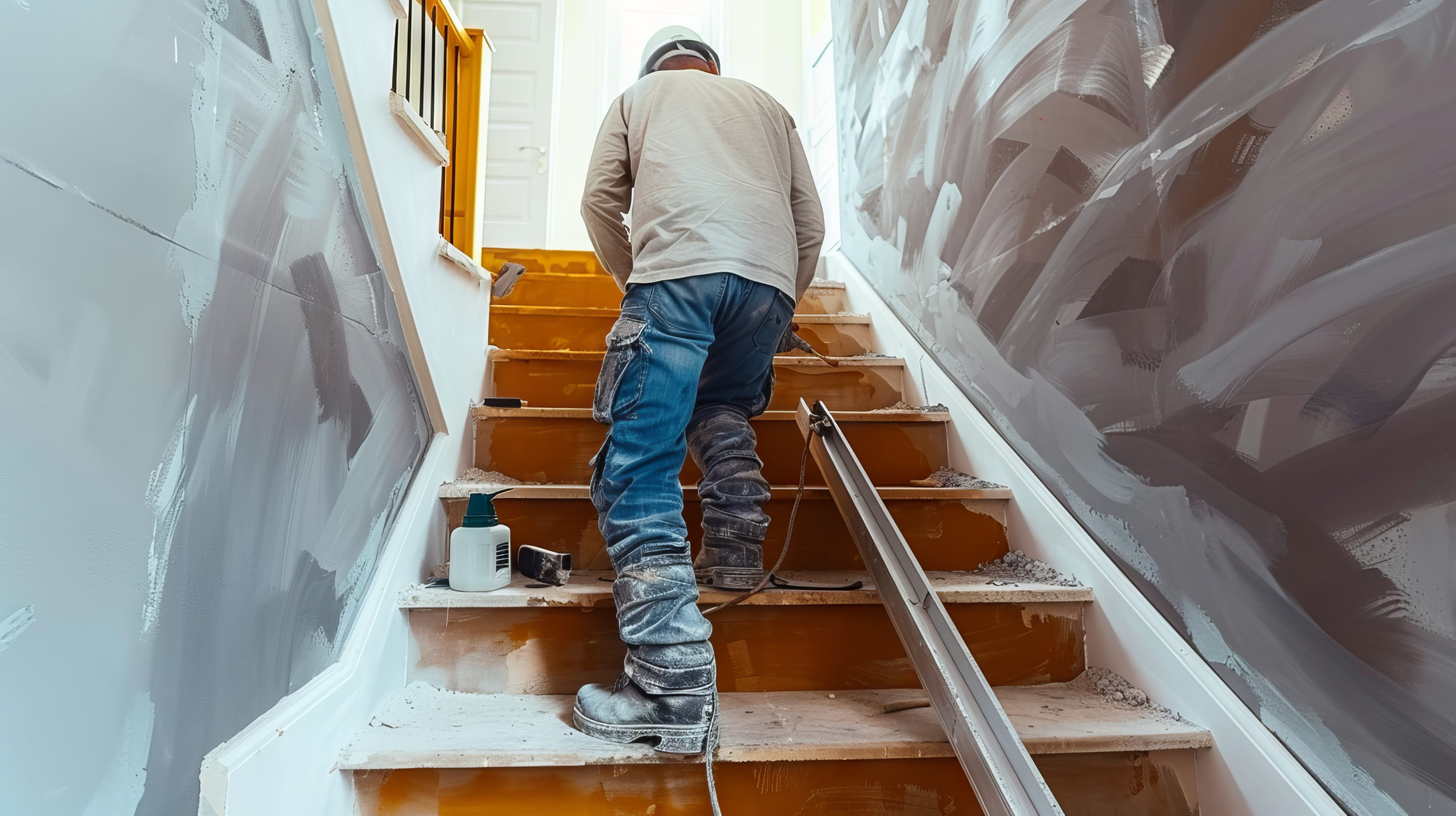
Few interior painting jobs are as challenging as a two-story foyer or a stairwell. The walls are tall, the floor is uneven or stepped, there may be a chandelier hanging in the way, and the surface you're painting is often a long way from solid ground. These are the spaces where a homeowner with a ladder and a roller gets into trouble, and where professional equipment and technique make an enormous difference in both safety and results. Understanding what makes tall walls different, and what the work involves, helps you decide whether to tackle the project yourself, and what to expect if you hire a painter.
Why Tall Walls Are Different
On a standard eight-foot wall, a painter can reach the ceiling line from the floor or a short step ladder. On a twelve- or twenty-foot wall, every part of the job changes: you need staging, longer tools, more planning, and much more care. Mistakes at height are harder to fix and more dangerous to make.
Falls Are the Main Risk
Ladder falls cause a large share of home improvement injuries, and stairwells make ladder use even riskier because the floor isn't level. Leaning an extension ladder against a wall above a staircase, or placing one leg on a step, is a recipe for an accident. Safe work at height starts with a stable platform.
Scaffolding and Platforms
Professionals use rolling scaffolds, adjustable-height staging, and ladder jacks or leveling devices to create a flat, stable work platform, even above stairs. A good platform lets the painter work with both hands and move safely. It's the single biggest difference between amateur and professional work in tall spaces.
Scaffolding Over Stairs
Staging over stairs requires leveling legs or custom platforms built across the steps so the surface is flat. It takes time to set up properly, and that time is well spent. Never improvise with unstable stacks of materials or ladders placed on steps.
Extension Poles and Long-Handled Tools
Extension poles let painters roll large wall areas from the ground or a low platform, reducing the need to climb. Telescoping handles can reach high sections, but heavy loaded rollers are tiring to control. Combining poles with platforms for the highest areas is typical.
Cutting In at Height
Cutting in, the careful brushwork along the ceiling and corners, is the hardest part of tall walls. It demands steady hands and a safe, comfortable position. Painters often cut in from scaffolds with a good brush, and some use extension pole attachments for lines that can be reached safely.
Spraying in Tall Spaces
Spraying covers large wall areas quickly and produces an even finish, which can be a big advantage in tall foyers. It requires careful masking of stairs, railings, floors, and fixtures, and adequate ventilation. Many painters spray and then back-roll for a durable finish.
Protecting Stairs, Railings, and Floors
Stairs and railings are easy to damage and hard to clean. Cover treads with fitted protection, wrap balusters and railings, and tape the edges securely. Floors need heavy drop cloths and non-slip covers, since slippery plastic is a hazard on stairs.
Dealing With Chandeliers and Light Fixtures
Hanging fixtures need to be covered or taken down before painting. Turn off power at the breaker, and have an electrician handle disconnections if you're not qualified. Fixtures that are reachable only with specialized equipment may need professional handling.
Making Repairs at Height
Tall walls often have nail holes, cracks, and imperfections that need repair before painting. Patching, sanding, and priming at height takes time and equipment. Dust control matters in open spaces where it can settle on stairs and floors.
Preparing the Surface
Clean dust and cobwebs from high areas, and wash any greasy spots. Painting over dirty surfaces causes poor adhesion and flaws. Prep takes longer at height, but it's still the foundation of a good finish.
Choosing Paint for Tall Walls
High-quality paint provides better coverage and fewer coats, which is especially valuable when each coat means another round of staging and cleanup. Choose a washable sheen for stairwells where hands and shoulders brush the walls. Flat or matte finishes hide flaws in raking light.
Lighting and Flaws in Tall Spaces
Tall walls often catch light from high windows or from the stair landing, which shows every imperfection. Raking light highlights roller marks and uneven coverage. Good technique, even coats, and a wet edge are crucial. A professional will inspect the wall under different lighting.
Maintaining a Wet Edge
On a big wall, it's easy to let an edge dry and leave visible lap marks. Painters work in sections that run from top to bottom, keeping the leading edge wet. Having more than one person on a large wall helps keep up.
Sequencing the Work
Typically, ceilings are painted first, then walls, then trim. In stairwells, painters plan the order so that platforms can be moved efficiently and finished areas aren't damaged. Good sequencing saves time and prevents touch-ups.
Handrails, Balusters, and Trim
Stair trim, balusters, and handrails take careful brushwork and often a different paint or stain. Taping and masking protect nearby surfaces. Painted balusters take time because of the many edges, and quality finish brushes make a difference.
Color Choices for Foyers and Stairwells
Colors look different in tall spaces because light changes across the height of the wall. Large walls can handle bold colors, but dark colors in tall spaces absorb light and can feel heavy. Test large samples at different heights and times of day.
Accent Walls in Two-Story Spaces
A single tall wall in a foyer or stairwell can become a dramatic feature. Choose a wall that is visible from the main living areas. Consider how the color relates to adjacent rooms, since foyers connect many spaces.
Gallery Walls and Art
Tall stair walls are popular for gallery displays. Painting before hanging art is easiest, and a finish that handles nail holes and touch-ups helps. Plan placement and anchors before painting to avoid damaging fresh paint.
Safety Equipment and Training
Professionals use fall protection where needed, stable staging, and training in safe practices. Wearing non-slip footwear, keeping tools secured, and avoiding overreaching are basic rules. Work at height shouldn't be rushed.
Why DIY Is Risky Here
Without staging and experience, homeowners often use unsafe ladder setups and awkward reaches. A fall can cause serious injury. If the job requires working above stairs or beyond a comfortable ladder reach, hiring a professional is a wise investment.
Pets and Children
Keep pets and children away from work zones, ladders, and wet paint. Secure stairs with barriers, and keep tools out of reach. Safety applies to everyone in the home during the project.
Dust, Fumes, and Ventilation
Open windows, run fans, and use low-odor paints. In tall spaces, fumes rise and linger. Ventilation keeps the air safe and speeds drying.
Timeline and Drying
Tall walls take more time to prep, paint, and clean up. Allow extra days for multiple coats, and don't rush drying. Planning the schedule around your household's needs avoids frustration.
Cost Factors
Cost depends on wall height, area, access, equipment needs, repairs, and finish. Staging and extra labor increase cost, but they pay for safety and quality. A written quote that explains equipment and scope helps compare bids.
Questions to Ask a Painter
How will you reach the high areas safely? Will you use scaffolding or a lift? How will you protect stairs and railings? How will you handle fixtures? How many coats are included? Clear answers show experience with tall spaces.
Touch-Ups After the Job
Keep leftover paint for touch-ups, and note the color and sheen. Touching up tall walls is easier with the original paint and a small ladder. Over time, minor marks are inevitable, particularly near stairs.
Working With Sloped and Stepped Floors
Stairwells often have different floor levels, such as a landing and steps within the same room. Adjustable scaffolding and leveling legs handle this, giving a flat platform at each level. Plan the platform moves so the paint finish isn't disturbed.
Painting Around Windows and Architectural Features
Tall foyers often include large windows, niches, columns, and trim at height. Each needs careful masking and brushwork. Professionals plan the order to avoid dragging scaffolding across finished surfaces.
Using Lifts and Specialized Equipment
For very tall spaces, electric lifts or telescoping platforms can reach high areas safely. They require floor protection and clearance but offer stability. Renting equipment makes sense only for those trained to use it.
Good Lighting While You Work
Adequate work lighting helps painters see coverage and flaws on tall walls. Portable lights placed to rake across the wall reveal problems before the paint dries. Check work from different angles as the job proceeds.

Got a tall foyer or stairwell that you've been avoiding? Our painters set up stable staging, protect your stairs and railings, repair and prime the walls, cut in cleanly at height, and finish with durable, even coats, so the result looks great and nobody has to climb a wobbly ladder. Request your free interior painting estimate today.

Karter & Co


