

Painting Porches: Floors, Ceilings, Railings, and Columns Done Right
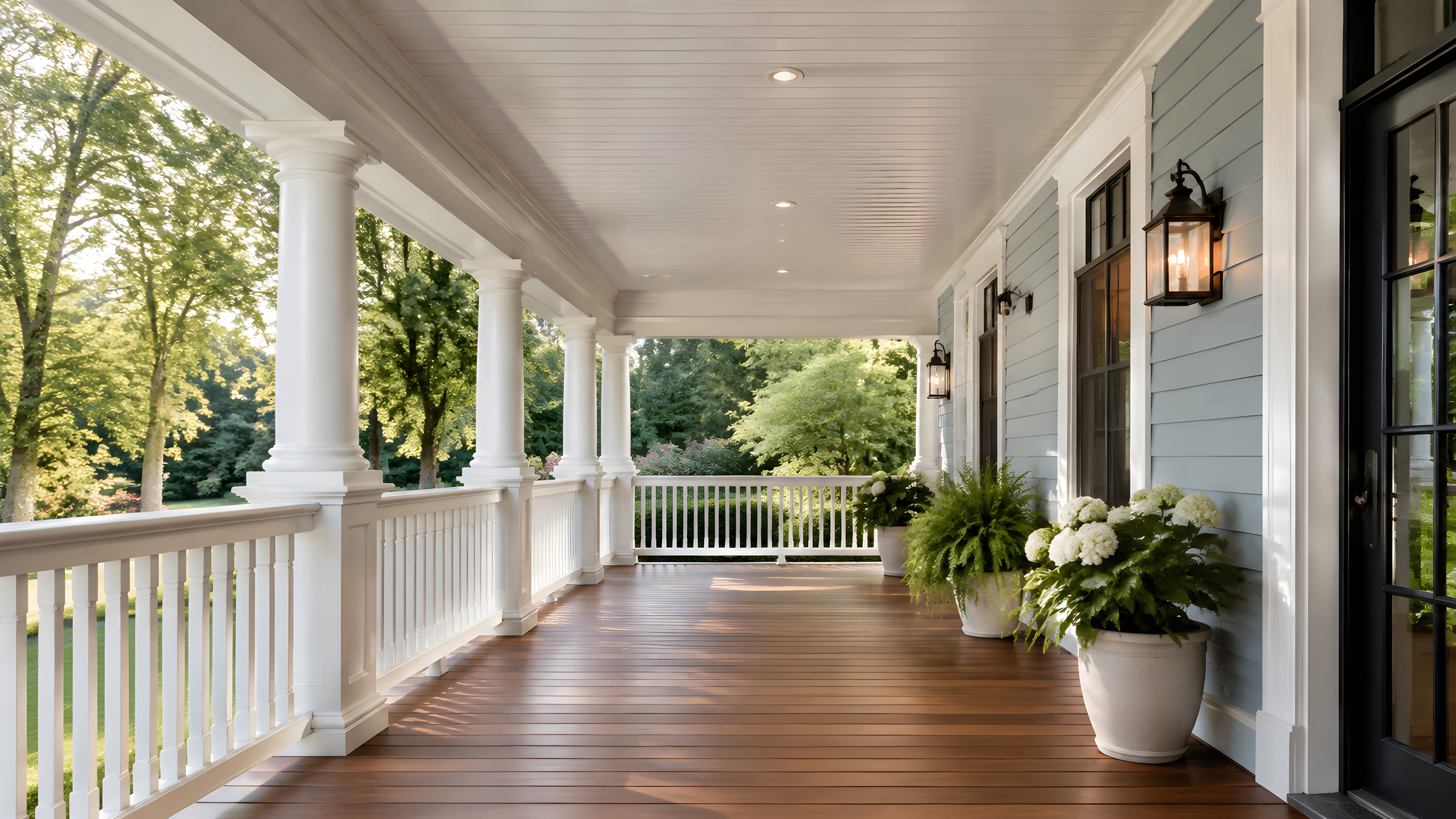
A porch is the front door's welcome committee, and it works harder than almost any other part of the exterior. Its floor takes foot traffic, furniture, and sun. Its ceiling collects moisture and insects. Its railings and balusters get touched constantly, and its columns catch rain splash at the bottom and sun at the top. When a porch looks tired, with peeling floor paint, flaking railings, and stained columns, the whole house feels neglected. A good porch paint job restores that welcome and protects the wood underneath. But porches are full of details and weak points, and doing the job well takes careful repairs, the right products, and good timing.
Why Porches Are Hard on Paint
Porches are exposed to rain, sun, and temperature swings, but they're also partly sheltered, so moisture lingers. Water pools on horizontal surfaces, splashes onto lower parts of columns and railings, and gets trapped at joints. Foot traffic grinds away at floors. All of this stresses paint more than ordinary siding.
Inspect Before You Paint
Walk the entire porch looking for soft or rotted wood, loose boards, cracked floor surfaces, peeling paint, loose railings, wobbly columns, and signs of moisture. Probe suspect wood with a screwdriver. Painting over rot hides a problem that will continue to get worse.
Repair Rot and Damage First
Replace rotted floorboards, trim, and column bases. Repair or replace split railings and loose balusters. Use rot-resistant materials where possible. Epoxy repairs can fix limited damage. Painting should follow repairs, not substitute for them.
Check Drainage and Slope
Porch floors should slope slightly away from the house so water runs off. Pooling water destroys paint and rots wood. If water collects, address the slope, gaps, or drainage before painting. Check gutters above the porch as well.
Wood Porch Floors
Wood porch floors need a durable, slip-resistant finish designed for foot traffic. Porch and floor enamels, often oil-based or urethane-modified, resist wear, and some products are formulated specifically for exterior floors. Plain wall paint will scuff and peel quickly.
Concrete Porch Floors
Concrete porches can be painted with masonry or concrete floor paint after cleaning and etching or priming. Existing sealers and efflorescence must be dealt with. Moisture in concrete can cause peeling. Test the slab before painting.
Prepare the Floor Surface
Clean thoroughly, remove old loose paint, sand rough areas, fill cracks, and dry completely. Dirt and old finish prevent adhesion. Sanding glossy areas gives paint something to grip. Floors need thorough prep because they take the most abuse.
Prime the Right Way
Bare wood needs primer, and different surfaces need different primers: stain-blocking for tannins, bonding for slick surfaces, and masonry primer for concrete. Primer improves adhesion and reduces the number of finish coats. Use a primer compatible with your floor paint.
Slip Resistance
Smooth painted floors can be slippery when wet. Many porch floor paints contain or can be mixed with fine grit additives to improve traction. Safety matters, especially on steps and in rainy climates. Choose a finish that balances appearance and grip.
Choosing Floor Colors
Dark floors show dust and footprints and absorb heat, while lighter shades reflect sun and stay cooler. Medium tones hide wear well. Consider the home's trim and siding colors, and test samples in sun and shade.
Painting Porch Ceilings
Porch ceilings often have beadboard, tongue-and-groove, or smooth panels. They collect dust, cobwebs, mildew, and insect nests. Clean, repair, prime stains, and paint with a quality exterior ceiling paint. Brush into grooves for full coverage.
Ceiling Color Traditions and Light
Light ceiling colors brighten porches and reflect light into the space. Some regions have traditions of painting porch ceilings in soft blues or greens. Whatever you choose, view it in the porch's light, since shade changes how color looks.
Dealing With Wasp Nests and Insects
Remove nests safely before painting, and seal gaps that invite insects. If large or aggressive nests are present, use a pest professional. Sealing crevices before painting reduces future problems.
Railings and Balusters
Railings and balusters have lots of edges, joints, and nooks that take time to prep and paint. Sand rough spots, caulk joints, and prime bare wood. Brush or spray with back-brushing for full coverage. Check safety, tightening and repairing loose parts first.
Painting Rail Tops and Horizontal Surfaces
Rail tops get the most water and sun. Use durable enamel, and make sure these surfaces are fully sealed. Rounded or sloped tops shed water better. Touch up these areas more often.
Columns and Posts
Column bases take splash and ground moisture, which leads to rot. Inspect and repair the bottoms, and consider replacing rotted bases with rot-resistant materials. Caulk joints between column parts, and prime and paint all sides, including the end grain at the bottom.
Fiberglass and Composite Columns
Fiberglass and composite columns resist rot but still need paint for color and UV protection. Clean thoroughly, scuff glossy surfaces, prime with a bonding primer, and use a compatible exterior paint. Check manufacturer guidance.
Trim, Skirting, and Lattice
Porch skirting and lattice hide the underside, and need ventilation to keep the structure dry. Paint or stain them for protection, but keep vents open. Dirty, wet lattice grows mildew and needs periodic cleaning.
Steps and Stairs
Steps take the most wear. Repair treads and risers, prime, and use floor enamel with slip resistance. Handrails should be tight and well finished. Consider contrasting paint on step edges for visibility.
Screens and Hardware
Screened porches have frames and screens that need protection. Remove or mask screens, and paint frames carefully. Replace torn screens, and mask hardware. Taking screens down gives the cleanest result.
Choosing Exterior Paint for Porches
High-quality acrylic exterior paint suits walls, trim, ceilings, and railings, while floors need specialized porch enamel. Check each product's recommended use. Mildew-resistant formulations are helpful in shaded, damp porches.
Sheen Choices
Satin and semi-gloss are common on railings, trim, and columns for durability and easy cleaning. Floors often use satin or low gloss for grip and wear. Ceilings are usually flat or low sheen. Choose finishes that fit the surface and style.
Weather and Timing
Paint on dry, moderate days with no rain forecast. Floors need extra drying time before foot traffic, often a day or more, and complete curing may take days to weeks. Plan so the porch isn't needed during that time.
Curing Before Furniture
Fresh floor paint can stick, scuff, and peel if furniture goes back too soon. Wait for the recommended cure time, and use furniture pads. A little patience protects the finish.
Maintenance
Sweep regularly, wash gently, touch up chips quickly, and keep gutters clear. Wipe up spills and keep planters off the floor with saucers or risers. Regular care extends the life of the paint.
Lead Paint in Older Homes
Porches in older homes may have layers of lead-based paint. Scraping and sanding can create hazardous dust. Contractors should follow lead-safe practices when required, and homeowners should ask about testing.
Cost Considerations
Cost depends on size, condition, repairs, and number of surfaces. Porches have many details, so labor is significant. A thorough quote lists repairs, prep, and paint for each surface.
Choosing a Painter
Look for experience with exterior wood, rot repair, and floors. Ask how they prepare and which products they use for floors and rails. A clear scope and warranty show confidence.
Painting Over Old Porch Floor Paint
Existing porch floor paint may be oil-based, latex, or a mix of layers. Test adhesion by scraping a small area, and sand and prime as needed. If paint is peeling in sheets, strip or sand it to a stable surface. Applying new paint over failing coats leads to fast failure.
Beadboard and Tongue-and-Groove Details
Beadboard ceilings and wainscoting have grooves that collect dirt and moisture. Caulk joints where appropriate, but leave drainage and ventilation in place. Use a brush to work paint into grooves, and avoid heavy buildup that hides the profile.
Porch Swings, Hooks, and Hanging Hardware
Remove or mask hooks, swing hardware, and light fixtures before painting. Paint around chains and hangers carefully, and check that hardware is rated for the load. Moving parts need to stay free of paint.
Lighting and Fan Fixtures
Porch lights and ceiling fans need to be covered or removed during painting. Turn off power at the breaker, and have an electrician handle disconnections if needed. Replace corroded fixtures to match the new look.
Protecting Plants and Landscaping
Cover plants and shrubs near the porch, and wet them before cleaning. Paint and cleaners can harm foliage. Use drop cloths on the ground, and watch for drips on steps and walkways.
Seasonal Timing for Porch Painting
Spring and fall often provide mild, dry weather for painting. Avoid extremes of heat, cold, and humidity, and avoid painting just before rain or heavy dew. Plan around the weather and the amount of time the porch needs to cure.

Ready to make your porch welcoming again? Our painters repair rot and loose parts, fix drainage trouble spots, prep and prime every surface, and finish floors, ceilings, railings, and columns with durable, slip-resistant exterior coatings. You'll see the plan and price first. Get your free exterior painting estimate today.

Karter & Co


