

Painting Garage Doors, Railings, and Gutters: How to Paint Exterior Metal So It Lasts
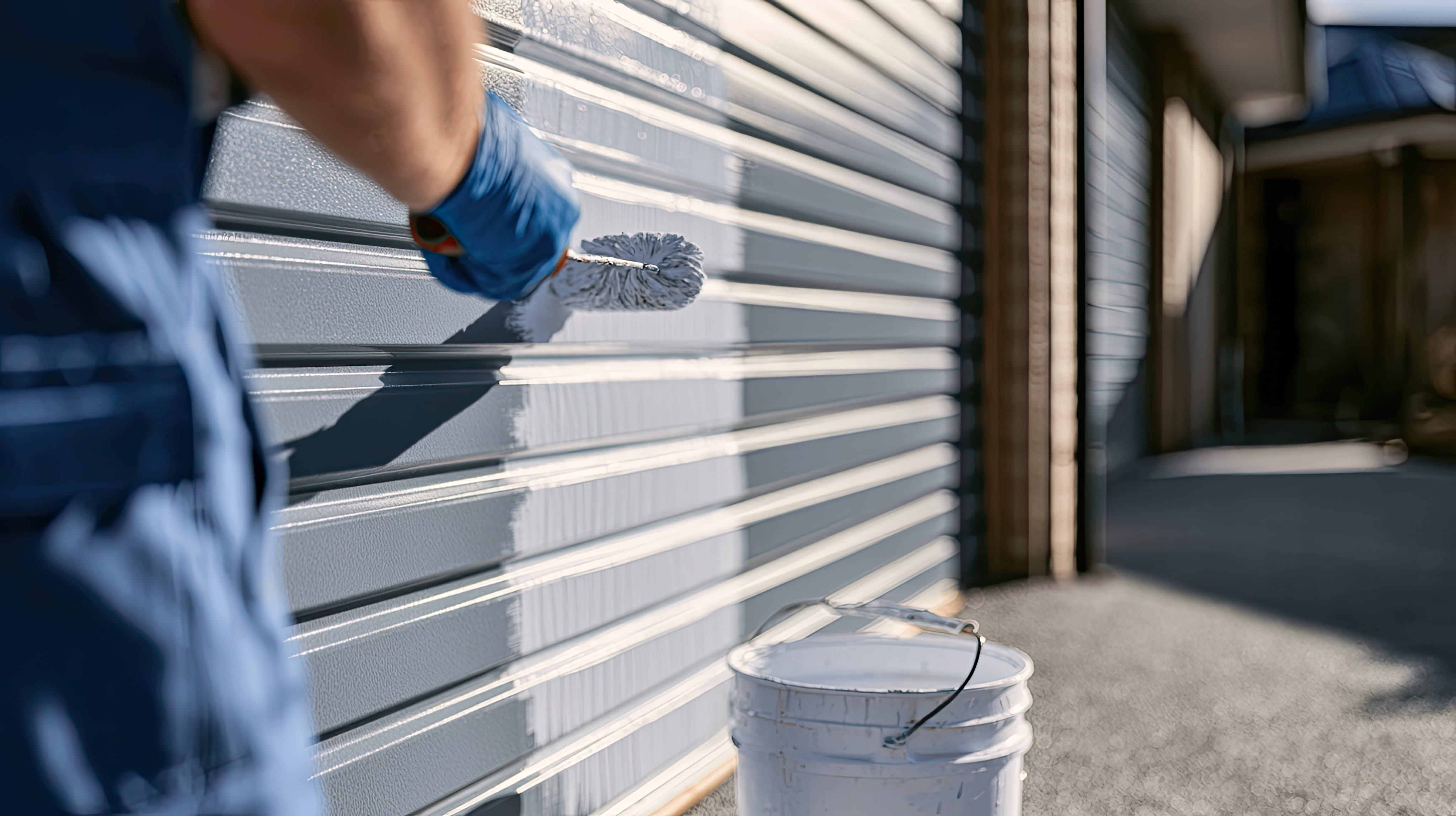
Metal is everywhere on a home's exterior: garage doors, railings, gutters, downspouts, fences, window frames, mailboxes, and light fixtures. Because it's exposed to sun, rain, and temperature swings, metal often shows its age with rust, chalking, fading, and peeling. Painting it can transform a tired front of the house, but metal behaves differently from wood. Paint doesn't stick to slick or rusty metal unless it's prepared properly, and the wrong paint or color can fail within a season. Knowing how to handle different metals, and when to call a professional, helps you get a finish that lasts.
Why Metal Needs Special Treatment
Metal is smooth and non-porous, so paint has little to grip. It expands and contracts with temperature, which stresses paint, and iron and steel rust when moisture reaches them. A successful paint job addresses all three: adhesion, flexibility, and corrosion protection.
Know Your Metal
Steel and iron rust and need rust-inhibiting primers. Aluminum doesn't rust but oxidizes, forming a chalky layer that blocks adhesion. Galvanized metal has a zinc coating that resists rust but repels many paints, and it requires specialty primers. Copper and brass are usually left unpainted. Identifying the metal determines the products.
Garage Doors
Garage doors are large, visible surfaces that strongly affect curb appeal. They come in steel, aluminum, wood, and composite, and many have factory finishes. Repainting a faded or damaged door gives an instant refresh. Check the door manufacturer's guidance, since some warranties limit colors or finishes.
Dark Colors and Heat
Dark paint absorbs heat, which can warp some doors, especially insulated steel doors with foam cores and vinyl-clad surfaces. Lighter colors reflect heat and reduce stress. If you want a dark color, check the manufacturer's guidance and consider heat-reflective paint formulations.
Metal Railings and Fences
Wrought iron and steel railings are exposed to weather and touch. Rust starts at joints, welds, and chipped spots. Proper prep and a rust-inhibiting primer slow corrosion. Railings often need touch-ups more often than other surfaces because of wear and moisture.
Gutters and Downspouts
Aluminum and steel gutters can be painted to match trim or siding. Because water runs through them, interior surfaces aren't usually painted, but exteriors can be. Clean, dull the surface, prime with an appropriate primer, and paint with a flexible exterior coating.
Window Frames and Doors
Metal window and door frames face sun and condensation. Prepping and painting them protects the metal and improves appearance. Take care to avoid painting weatherstripping, hinges, and moving parts, and keep drainage holes clear.
Roofs and Flashing
Metal roofs and flashing can be painted with specialty coatings, but this is a job for roofing professionals. Roof work involves fall risk and warranty considerations. Don't paint roofing without checking manufacturer recommendations.
Start With a Thorough Cleaning
Dirt, oil, chalk, and mildew prevent paint from sticking. Wash with a degreaser and water, rinse well, and let the surface dry. For garage doors, pay attention to bottom edges, where road grime accumulates.
Remove Loose Paint and Rust
Scrape and wire brush flaking paint and rust. Sand edges smooth so repairs blend in. For surface rust, a rust converter or remover can neutralize remaining corrosion. Heavy rust that has eaten through the metal may need repair or replacement.
Rust Converters and Removers
Rust converters chemically change rust into a paintable surface, and rust removers dissolve it. Follow product instructions, rinse as directed, and test compatibility with the primer. Skipping rust treatment means it will continue under the paint and push it off.
Etching and Dulling Slick Surfaces
Smooth, glossy, and galvanized surfaces benefit from light sanding or chemical etching to improve adhesion. Specialty primers for galvanized metal are designed to bond to zinc. Never use standard primer on galvanized metal, since it may peel.
Choosing the Right Primer
Rust-inhibiting primers protect steel and iron. Bonding or etching primers help paint stick to aluminum and galvanized metal. Direct-to-metal products combine primer and paint in one. Choose a primer made for your metal, and follow its recoat window.
Choosing the Right Paint
Exterior acrylic enamels designed for metal offer flexibility, UV resistance, and moisture protection. Oil-based and alkyd enamels provide hard finishes but can yellow and are less available. Direct-to-metal paints simplify the process. Check the label for suitability on your metal and for outdoor use.
Sheen Choices
Satin and semi-gloss finishes shed dirt and moisture and are easy to clean. Gloss finishes show imperfections. Matte finishes look modern but may hold dirt. Choose a sheen that matches your home's style and how much maintenance you want.
Brush, Roll, or Spray
Brushing works well on railings and small parts, and rollers and sprayers handle large surfaces like garage doors. Spraying gives smooth results but requires masking and skill. Thin, even coats prevent drips and improve durability.
Masking and Protecting
Cover weatherstripping, hardware, glass, and nearby surfaces. Remove or mask handles, locks, and window tracks. Careful masking saves cleanup and keeps moving parts working.
Weather and Timing
Paint in dry, moderate conditions, avoiding direct sun on hot metal, which can cause blistering and rapid drying. Surfaces should be fully dry, and temperatures should fall within the product's range. Early or late in the day often works best.
Coats and Drying
Most projects need a primer and two coats of finish. Allow each coat to dry fully before the next. Let the finish cure before heavy use or closing doors tightly against weatherstripping.
Touch-Ups and Maintenance
Metal often develops chips and rust spots first at edges, joints, and fasteners. Touch up promptly with matching paint and a rust-inhibiting primer. Regular washing and inspection extend the life of the finish.
Dealing With Oxidized Aluminum
Oxidized aluminum looks chalky and dull. Cleaning with a mild acid cleaner or specialized product removes the oxide layer. Prime with an aluminum-compatible primer before painting. Skipping this step leads to peeling.
Powder Coating Considerations
Some metal items have factory powder coating, which is very durable but hard to paint. Painting over powder coat requires sanding and a bonding primer, and results vary. If the finish is failing, professional recoating may be an option.
Safety and Lead Concerns
Older metal surfaces may have been painted with lead-based paint. Scraping and sanding can create hazardous dust. Contractors should follow lead-safe practices when required. Wear protective gear during rust removal and painting.
Cost and Time
Metal painting costs depend on size, rust, prep needs, and products. Garage doors usually take a day or less, while large railing systems take longer because of detail work. Good prep takes most of the time and determines the result.
Choosing a Professional
An experienced painter knows how to prepare different metals, choose compatible products, and avoid heat and moisture problems. Ask how they handle rust and what primers they use. A clear plan reflects experience.
Garage Door Weatherstripping and Hardware
Remove or carefully mask the weatherstripping, handles, locks, and rollers on garage doors. Paint on these parts causes sticking and premature wear. Lubricate moving parts after painting is dry, and make sure the door operates smoothly before use.
Painting Metal Fences and Gates
Metal fences and gates take weather and wear at hinges and latches. Clean, de-rust, and prime them, and paint hinges and joints thoroughly. Use a flexible paint and check the gate action after painting so nothing sticks.
Mailboxes, Lamp Posts, and Small Fixtures
Small metal items like mailboxes, lamp posts, and house numbers often look neglected first. A quick clean, rust treatment, and fresh paint make a visible difference at low cost. Choose a finish that matches the rest of your exterior hardware.
Matching Colors Across Different Materials
Metal, wood, and masonry absorb and reflect light differently, so the same paint can look slightly different on each. Test colors on each surface, and consider matching the sheen as well as the color. A cohesive palette ties garage doors, railings, and trim together.
Warranty and Manufacturer Guidance
Garage doors, railings, and other metal products may come with finish warranties that limit repainting. Check the manufacturer's instructions before painting, and keep records of products used. A careful approach avoids voiding coverage.
Choosing Between Brushing and Spraying on Railings
Railings have many angles and tight spots where a brush gives better control, while a sprayer covers quickly but needs careful masking and wind awareness. Many professionals use a sprayer for the first coat and a brush to work paint into joints. The combination gives full coverage.
Preventing Rust From Returning
Seal gaps and joints where water collects, replace corroded fasteners, and keep gutters and drains clear. Rust returns fastest where moisture sits, so improving drainage protects the new finish.
Planning Metal Painting Around the Seasons
Hot summer days and cold, damp mornings both cause trouble for metal. Plan painting for mild, dry weather, and allow time for coats to cure before heavy use or rain.

Want your garage door, railings, and gutters to look fresh and stay that way? Our painters clean, de-rust, and prime exterior metal with the right products for each surface, then apply durable coatings in colors that suit your home and your door's warranty. Get your free exterior painting estimate today.

Karter & Co


