

Painted or Stained Trim: Which Finish Is Right for Your Home?
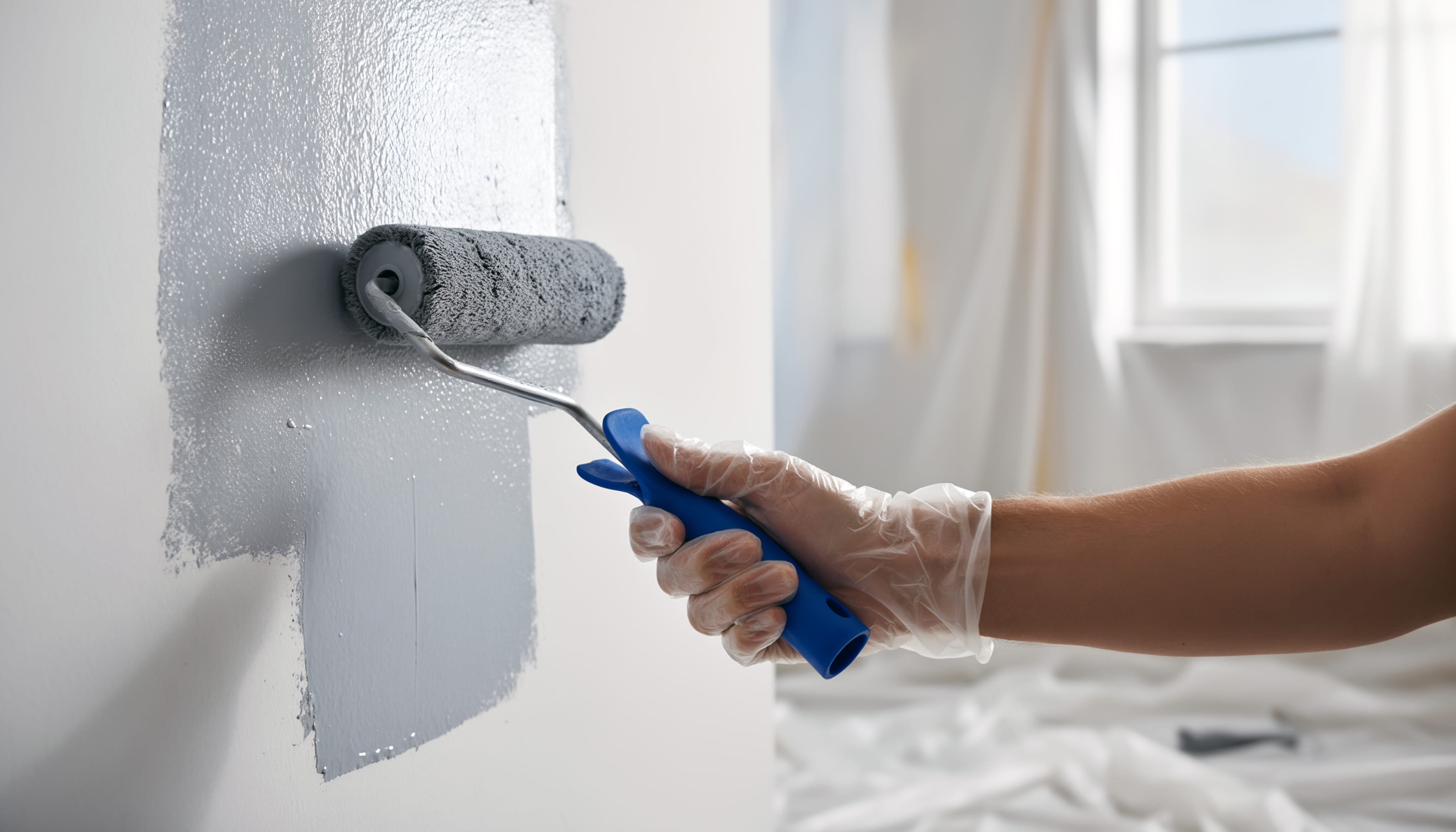
The finish on your trim does more to set the style of a room than almost any other detail. Crisp white painted trim feels bright and traditional. Rich stained wood feels warm, classic, or rustic. Both can look beautiful, and both can look cheap if they're done carelessly. The choice affects the cost of the project, the materials you can use, how the trim holds up, and how easy it is to repair years from now. Understanding the differences between painted and stained trim helps you choose a finish that suits your home and your life.
The Basic Difference
Painted trim is covered by an opaque coat of color that hides the wood grain and any imperfections underneath. Stained trim uses a transparent or semi-transparent finish that colors the wood while letting the natural grain show through. Because stain doesn't hide anything, it demands higher-quality wood and more precise workmanship.
The Look of Painted Trim
Painted trim creates a clean, uniform line. White and off-white are the classic choices, but colors can be bold and expressive. Paint hides knots, patches, and joints, so it works well with budget-friendly materials. It suits traditional, farmhouse, transitional, and modern interiors.
The Look of Stained Trim
Stained trim emphasizes the natural beauty of wood. It brings warmth and richness to craftsman, rustic, traditional, and mid-century homes. Grain patterns and subtle variations add visual interest. A uniform stain on high-quality wood looks luxurious.
Materials for Painted Trim
Paint-grade materials include primed MDF, finger-jointed pine, poplar, and PVC. They're economical, smooth, and designed to be painted. Joints and nail holes are filled and caulked before painting, so small gaps can be hidden.
Materials for Stained Trim
Stain-grade trim uses solid hardwood or select softwood with attractive grain, such as oak, maple, cherry, walnut, and clear pine. Boards are chosen for grain and color consistency, and joints must be tight because they can't be hidden. Solid wood costs more than paint-grade material.
Why MDF Can't Be Stained
MDF is made of compressed wood fibers and has no grain, so stain looks muddy and blotchy on it. It's meant for paint. If you want a stained look, you need real wood, or a veneered product designed for staining.
Cost Comparison
Stain-grade materials usually cost more than paint-grade ones, and the labor is more demanding because joints must be precise and finishing takes more steps. Painted trim can be less expensive overall, but fine painting with multiple coats still takes time. Get quotes for both to compare.
Workmanship Matters More With Stain
Painted trim hides small flaws with caulk and filler. Stained trim shows every gap, scratch, and mismatch. Cuts must be tight, nail holes must be filled with colored putty, and sanding must be thorough. Choose a carpenter with experience in finish work.
The Finishing Process for Paint
Painted trim is typically filled, caulked, sanded, primed, and finished with two coats of a durable enamel. Careful sanding between coats gives a smooth finish. Semi-gloss or satin sheens are common because they wear well and clean easily.
The Finishing Process for Stain
Stained trim is sanded progressively, conditioned if needed, stained, and sealed with a clear finish such as polyurethane or lacquer. Each step affects the final color and clarity. Wood species respond differently to stain, so testing samples is essential.
Wood Conditioner and Blotching
Some woods, such as pine and maple, absorb stain unevenly and can look blotchy. A wood conditioner applied before staining helps even out the color. Skipping this step is a common cause of unattractive results.
Choosing a Stain Color
Stain color depends on the wood species, the finish, and the lighting. Light stains look casual and modern, medium tones feel classic, and dark stains look formal. Test colors on actual trim samples, and view them in the room's light.
Matching Doors and Floors
If you have wood doors or floors, stained trim can coordinate with them for a cohesive look. If they differ, painted trim can serve as a neutral separator. Consider the whole palette of wood tones in the room.
Maintenance and Durability
Painted trim can be touched up easily and repainted when needed. Stained trim with a clear topcoat resists wear but may show scratches, and refinishing requires sanding and re-staining. Both finishes need occasional cleaning.
Repairs
Dents and nicks in painted trim can be filled and repainted, and the repair disappears. Repairing stained trim is harder, because matching the color and grain is difficult. Replacing a damaged section of stained trim may require refinishing a wider area.
Moisture and Environment
Bathrooms, kitchens, and humid areas are tough on both finishes. Paint with a moisture-resistant formula and good ventilation hold up well. Stained wood may darken or swell if moisture reaches it. Choose materials and finishes suited to the environment.
Historic and Older Homes
In older homes, original wood trim may have been painted over. Stripping it back to the natural wood can reveal beautiful grain but is labor-intensive and may involve lead paint concerns. In some homes, restoring natural wood is worth the effort, and in others, a fresh coat of paint is more practical.
Mixing Finishes
Many homes use stained doors and painted trim, or painted trim with a stained handrail. Mixed finishes can look intentional when done consistently. Choose a limited number of finishes and repeat them throughout the home.
Resale Considerations
White painted trim is widely appealing and photographs well. Natural wood trim appeals to buyers who love character, but dark or dated stain can feel heavy. Consider your market and the style of the home.
Updating Existing Trim
If your trim is dated, painting it is a relatively quick and affordable way to update a room. Stained trim can be refinished or painted. Take care with prep, since glossy varnish requires sanding and bonding primer for paint to stick.
Making the Decision
Consider your home's style, the condition of existing trim, your budget, and your tolerance for maintenance. Look at samples, and ask a trim carpenter for advice. The right finish should feel natural in your home.
Finishing Doors to Match Trim
Doors and casings look best when their finishes coordinate. Painted casing with stained doors is a common and attractive combination. If both are stained, make sure the stain colors and species work together. Test in the room's lighting.
Clear Coats and Topcoat Choices
Polyurethane, lacquer, and water-based finishes protect stained trim. Oil-based polyurethane adds an amber tone over time, while water-based products stay clearer. Choose based on the look you want and the durability required.
Sheen Choices for Painted Trim
Semi-gloss is traditional for painted trim because it's durable and easy to clean. Satin gives a softer, modern look and hides imperfections better. Consistency across the home looks intentional.
Caulk and Filler Differences
Painted trim relies on caulk and filler to hide gaps and nail holes. Stained trim uses colored putty, which must be matched to the stain. Mismatched putty is visible, so pros apply it after staining.
Protecting Finished Trim During Other Work
Once finished, trim is vulnerable to scuffs, paint spatters, and movers. Protect it with painter's tape and corner guards during other projects, and schedule trim finishing after messy work is done.
Sample Boards Are Worth the Time
Ask your carpenter for sample boards in the finish you're considering, using the same wood species as your trim. A small sample shows how grain, color, and sheen look in your own lighting.
Considering Lighting and Room Size
Dark trim can make a small room feel smaller, while light trim opens it up. Stained wood can add warmth to large rooms with high ceilings. Take the room's light and scale into account when choosing finishes.
Long-Term Appearance
Painted trim can yellow slightly, especially with oil-based paints, and shows wear at corners. Stained trim can darken or fade with sun exposure. Both finishes age gracefully with care, and refreshing them every so often keeps them looking sharp.
Refinishing Without Stripping
Some stained trim can be refreshed by cleaning, lightly sanding, and applying a new coat of clear finish, without stripping the stain. This works when the existing finish is intact and the color is still attractive. Test a small area first.
Painting Over Stained Trim
If you decide to switch to painted trim, glossy varnish must be sanded or deglossed and primed with a bonding primer. Wood tannins can bleed through paint, so a stain-blocking primer helps. Proper prep prevents peeling and discoloration.
Doors and Casing Together
Matching the casing and door finish creates unity, while contrasting them creates a feature. Many homeowners choose a painted casing with a stained door to highlight the door. Make sure hardware complements the finishes.
Questions to Ask Your Carpenter
Which materials do you recommend for each finish? How will you handle joints and nail holes? Will you provide samples? What sheen and topcoat do you suggest? How do you protect the finish after installation? Clear answers reflect real experience.

Not sure whether to paint or stain your trim? We'll show you samples on real material, explain the cost and upkeep of each, and give you honest pricing for both, so you can choose a finish you'll love. Our carpenters make joints tight and finishes smooth. Request your free trim carpentry estimate today.

Karter & Co


