

Outdoor Living Ideas to Pair With Your New Deck
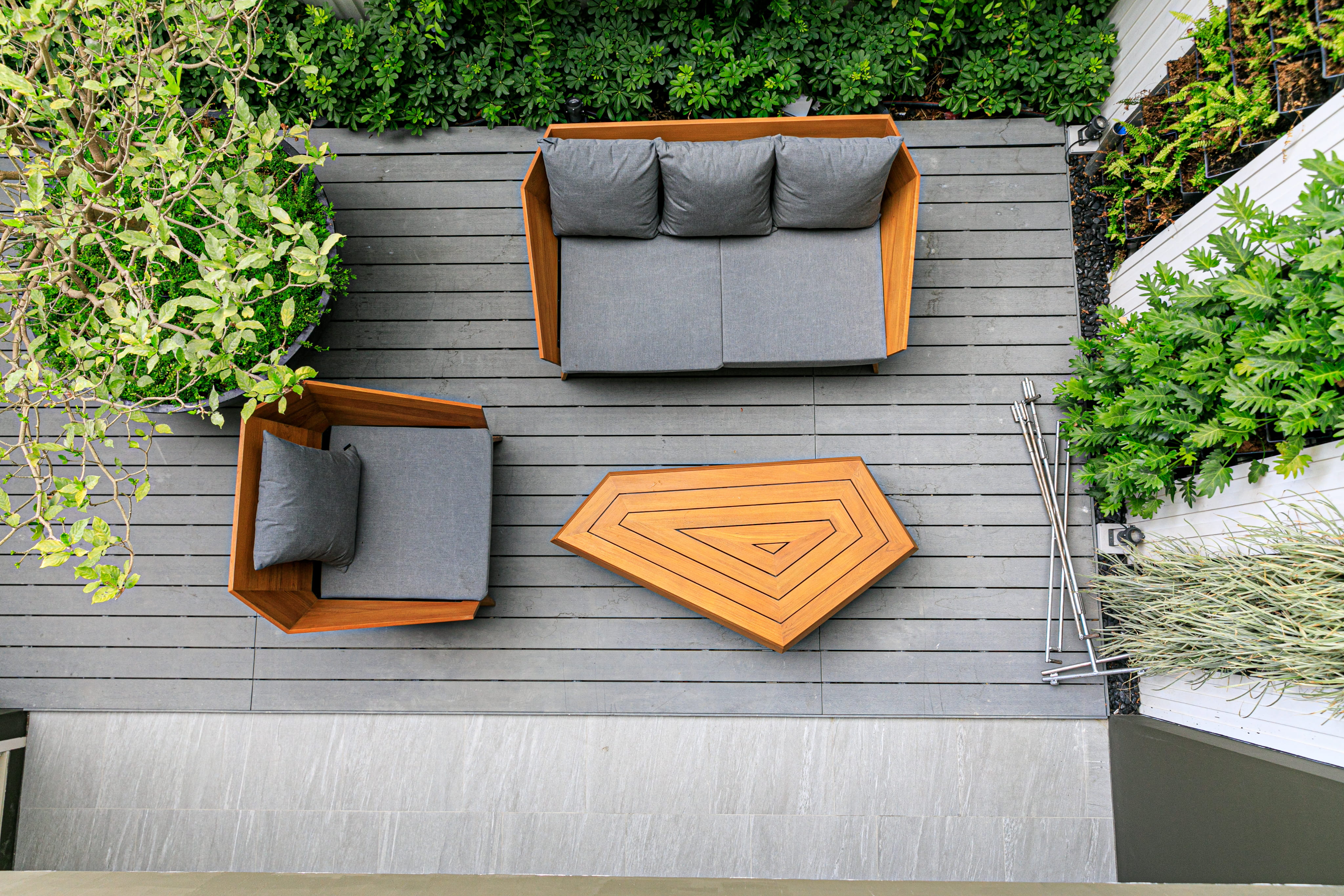
A deck is a platform, but an outdoor living space is an experience. The difference usually comes from a handful of thoughtful features that make the area comfortable in more weather, more hours of the day, and more seasons. Planning these features alongside the deck itself is the most efficient way to build a space your household will actually use.
Pergolas and Shade Structures
Shade is one of the most valuable additions to a deck, particularly one that faces the afternoon sun. A pergola provides partial shade and a defined sense of enclosure, and it can support climbing plants, string lights, or retractable shade fabric. Solid roof structures offer more complete protection from sun and light rain, extending the usable season. Whatever style you choose, framing for it is easiest to plan into the deck from the start.
Built-In Seating and Benches
Built-in benches along the perimeter save floor space, double as railing in some designs, and offer storage beneath the seat. They also create a cohesive look that loose furniture can't. Cushions add comfort, and storage compartments hold pillows or toys out of the weather.
Lighting for Evenings and Safety
Good lighting makes a deck usable after dark and safer to move around on. Stair lights, post cap lights, and low-level path lighting provide function without glare, while string lights or overhead fixtures create atmosphere. Wiring is much simpler to run during construction than after.
Outdoor Kitchens and Grill Stations
For homeowners who love to cook outdoors, a dedicated grill station with counter space, storage, and sometimes a sink makes the deck a true extension of the kitchen. These features add weight and require thoughtful structural support, so they should be part of the original plan.
Fire Features
Fire pits and fire tables extend the season into cooler evenings and create a natural gathering point. Placement, clearances, and local rules matter, especially on or near a wood deck, so choosing the right type and surface protection is important.
Privacy Screens and Windbreaks
Lattice, slatted panels, or planters can create privacy from neighbors and block wind. These elements make a deck feel like a room, and they can be integrated into railings or built as freestanding partitions.
Multi-Level Designs
Stepping a deck down into separate levels can define zones for dining, lounging, and cooking while following the natural slope of the yard. Multi-level layouts add interest but also add framing and stair work, which affects cost.
Integrated Planters and Landscaping
Built-in planters soften the look of a deck and add greenery without taking up floor space. Thoughtful landscaping around the base of the deck helps it blend into the yard and can hide the underside.
Hot Tubs and Heavy Features
A spa or hot tub is a major structural load, so the deck must be designed for it from the beginning. Retrofitting an existing deck to carry that weight is rarely simple.
Electrical and Outlets
Outlets, ceiling fan connections, and speaker wiring are small additions that make a big difference in comfort. Planning them early avoids tearing into finished surfaces.
Choosing Features That Match How You Live
It's tempting to add everything, but the best outdoor spaces reflect real habits. If you entertain often, prioritize seating and lighting. If you cook outdoors frequently, invest in a grill station. If quiet mornings matter most, shade and privacy may rank highest.
Phasing Features Over Time
You don't have to build every feature at once. Designing the structure to support future additions lets you spread cost over several seasons without redoing work.

Want a deck that feels like an extension of your home? Our team can help you plan shade, seating, lighting, and more into one cohesive design. Request your free deck building estimate and start designing.

Karter & Co


