

MDF, Pine, or PVC Trim: Choosing the Right Material
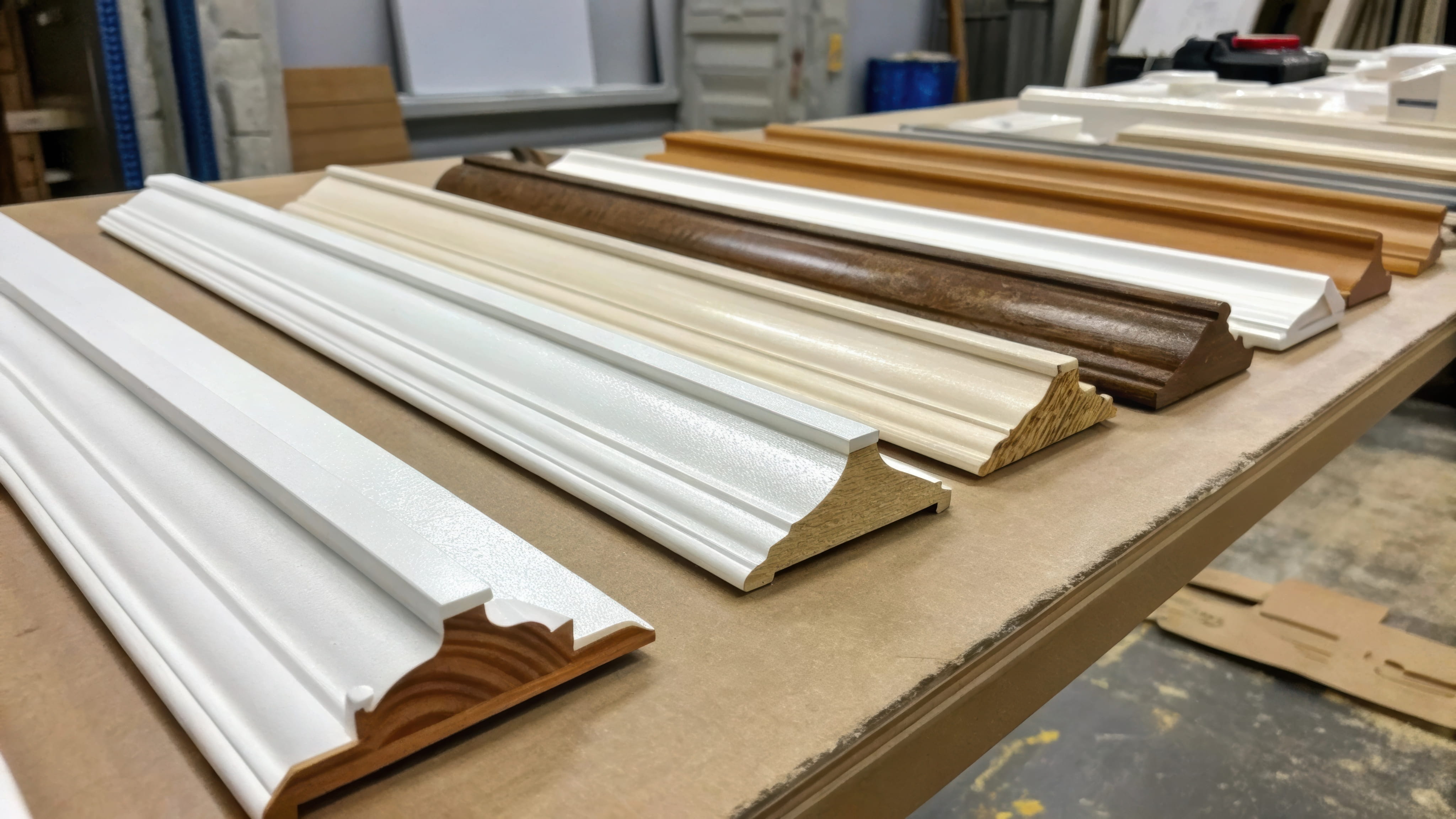
The material you choose for trim affects its price, its look, how it handles moisture, how it takes paint or stain, and how long it lasts. There's no single best choice, because the right material depends on where the trim is going and how it'll be finished. Knowing the strengths and limits of each option helps you avoid costly mistakes.
MDF: Smooth and Economical
Medium-density fiberboard is made of compressed wood fibers and resin. It's smooth, consistent, and takes paint beautifully, with no grain to show through. It's usually the most affordable option and comes primed. Its weakness is moisture: if it gets wet, it can swell and lose shape, so it's best for dry interior spaces. It can also chip at edges and doesn't hold screws as well as solid wood.
Pine and Finger-Jointed Wood
Pine is a common softwood trim material, and finger-jointed pine is made of short pieces joined together for stability and lower cost. It's lightweight, easy to cut, and holds fasteners well. It takes paint well, though knots and grain can sometimes show through if not properly primed. It's more resistant to impact damage than MDF.
Hardwood Trim
Oak, maple, poplar, and other hardwoods are denser and more durable. They suit stain-grade applications where the grain is part of the design. Hardwood costs more, is harder to cut and nail, and requires careful finishing. Poplar is a popular paint-grade hardwood with a smooth surface.
PVC and Cellular Vinyl
PVC trim is waterproof, rot-proof, and insect-resistant, making it ideal for bathrooms, basements, and exterior use. It can be cut and installed like wood and painted. It costs more than MDF, expands and contracts with temperature, and requires specific adhesives and fastening practices.
Polyurethane and Composite Moldings
Some decorative moldings, especially ornate crown and ceiling medallions, are made of polyurethane or composite materials. They're lightweight, moisture-resistant, and capable of detailed profiles that would be expensive to carve from wood. They're often used for decorative elements.
Flexible Moldings
For curved walls and arches, flexible trim made from specialty materials can bend to follow the curve. This avoids the difficulty of kerfing or steam-bending wood and delivers a smooth result.
Moisture Resistance Compared
PVC leads in moisture resistance, followed by sealed wood. MDF is the most vulnerable. In humid or wet areas, choose materials designed for those conditions rather than assuming paint will protect them. Sealing cut ends and edges extends the life of any material.
Paint-Grade vs. Stain-Grade
Paint-grade trim hides joints and imperfections under paint, so jointed pieces and MDF are acceptable. Stain-grade trim requires clean grain, consistent color, and tight joints, because nothing can be hidden. Selecting the right grade for your finish avoids disappointment.
Durability and Dent Resistance
Hardwood resists dents and dings better than pine or MDF. In high-traffic areas like hallways, a tougher material can hold up better. For lower-risk areas, economy materials do the job well.
Installation Differences
Each material has quirks. MDF can split if nailed too close to the edge. PVC needs proper adhesive and fastener spacing to account for movement. Hardwood often requires pre-drilling. Experienced installers adjust technique to the material.
Cost Comparison
MDF is generally the most economical, pine is moderate, hardwood is higher, and PVC and specialty moldings vary. Labor also differs. A cheaper material that's difficult to install may erase savings, while a premium material that cuts and installs easily may be better value than it first appears.
Environmental and Health Considerations
MDF contains resins that can release fine dust during cutting, so installers use dust control. Look for low-emission products if indoor air quality is a concern. Wood is renewable, and certified sources are available.
Matching Material to the Room
Dry living spaces, bedrooms, and hallways work well with MDF or pine. Kitchens and baths benefit from PVC or sealed wood. Stained trim in formal rooms calls for hardwood. Exterior trim needs materials designed for weather exposure.

Not sure which material fits each room? We'll recommend the right option for each space and explain the tradeoffs clearly. Get your free trim carpentry estimate today.

Karter & Co


