

Make-Ready vs. Renovation: What to Fix Between Tenants and What to Upgrade
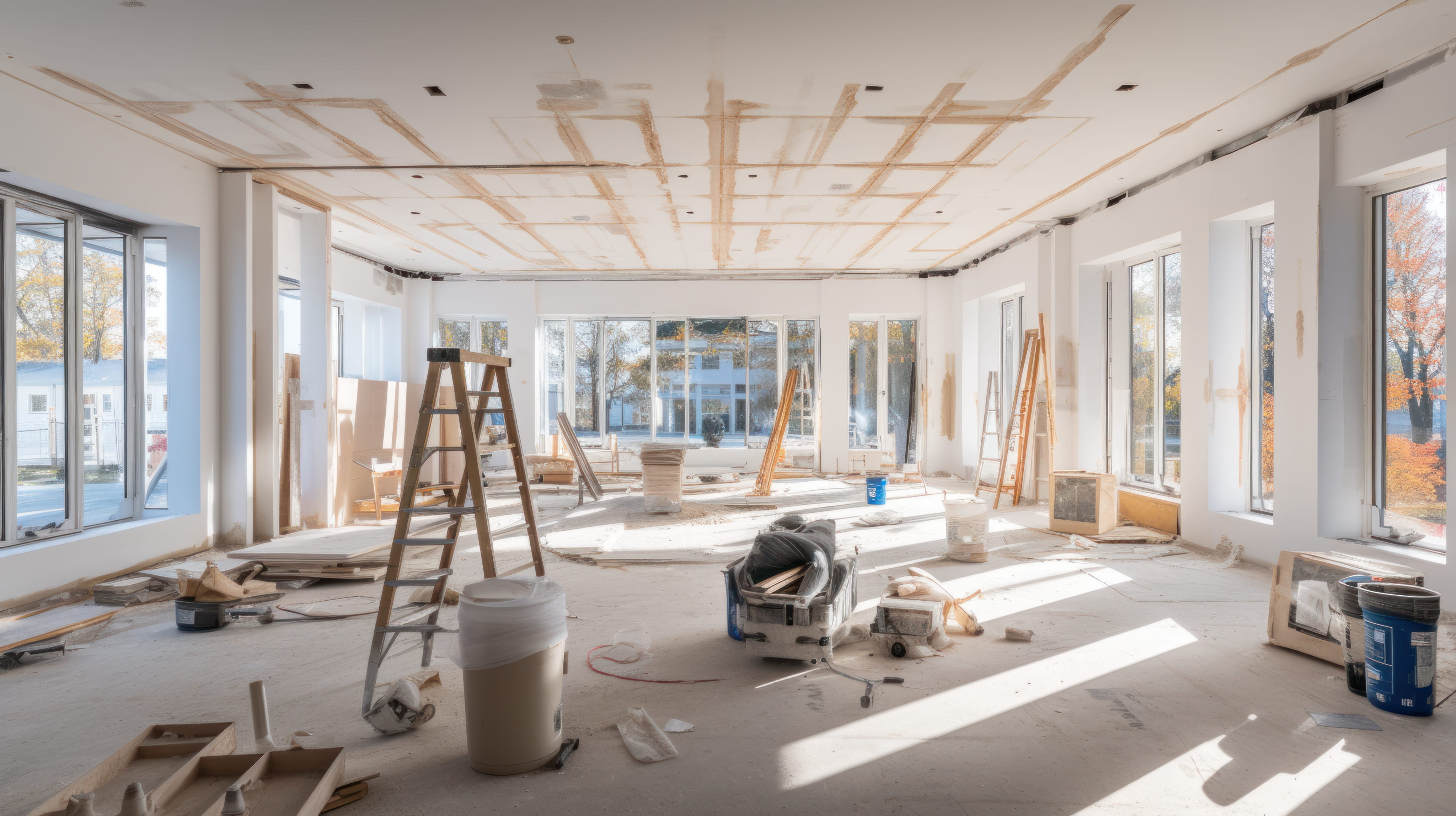
Every landlord eventually faces the same question as a unit turns over: should I do the minimum to get it rented, or is it time to invest more? The answer isn't always obvious. A quick turn keeps vacancy short and costs low, but putting off needed upgrades can lead to higher costs and lower rents later. A full renovation can raise rent and value, but it takes time and money. Knowing the difference between the two helps you make a smart decision for each unit.
Make-Ready Restores, Renovation Improves
Make-ready returns a unit to its previous good condition. It focuses on cleaning, repair, paint, and safety. Renovation changes the unit by upgrading kitchens, bathrooms, flooring, layouts, or systems. Because the goals differ, the timelines and budgets differ too. Make-ready is a repeatable process measured in days. Renovation is a project measured in weeks and planned like one.
The Case for Keeping It Simple
For units in good structural condition with reasonable finishes, a standard turn is usually the right call. It keeps the unit on the market quickly, protects income, and avoids tying up capital. Consistent, clean, well-maintained units rent well even without upgrades. Many owners get better returns from reliable, fast turns than from frequent small renovations.
When Make-Ready Isn't Enough
Some conditions can't be solved by cleaning and touch-ups. Water damage, failing flooring throughout, outdated and worn kitchens, persistent odors, failing fixtures, and systems at the end of their life all point toward larger investment. If you find yourself repeating the same repairs every turn, it may be cheaper to fix the root cause once.
Signs It May Be Time to Renovate
- Repeated damage to the same surfaces or fixtures
- Rent that lags comparable units because of dated finishes
- Long vacancy even after clean turns
- Worn flooring that needs replacing at every turn
- Failing plumbing, electrical, or HVAC components
- Persistent moisture, mold, or odors
Look at the Numbers
Estimate the cost of the upgrade, the expected rent increase, the vacancy during work, and how long it will take to recover the investment. Compare that with the cost of continuing to patch. An upgrade that pays for itself within a reasonable time can be wise, while one with a distant payback may not. Local market rents guide what tenants will pay.
Upgrades That Often Pay Off
Durable, water-resistant flooring, fresh paint in neutral colors, updated lighting, modern hardware, new faucets, and refreshed cabinet fronts are relatively affordable upgrades that improve appeal and reduce future wear. These items are often handled during a turn without a full renovation. They provide visible improvement and are easy to standardize.
Upgrades That Rarely Pay Off
Highly personalized finishes, premium materials that tenants won't value, and expensive features beyond what the market expects often fail to deliver returns. Overbuilding for the rental market can lock up capital without raising rent enough. Match improvements to the tenant profile and neighborhood.
Consider the Whole Portfolio
If you own several units, think in terms of standards. A consistent finish package across units simplifies purchasing, makes repairs faster, and lets you handle turns predictably. Upgrading a unit to match your standard can be a good reason to invest when it's below that standard.
Phase Improvements Over Several Turns
You don't have to do everything at once. Replace flooring this turn, update lighting next turn, and refresh the kitchen when the budget allows. Phasing keeps vacancy short, spreads cost, and lets you see what works. Plan the long-term vision, then carry it out gradually.
Deferred Maintenance Has a Price
Ignoring small problems tends to make them larger. A slow leak becomes rotted subfloor. Worn caulk becomes mold. Putting off repairs can turn a manageable turn into a renovation, so address issues as they appear. Mid-tenancy inspections help catch these early.
Involve a Provider Who Gives Honest Advice
A good make-ready provider tells you when a simple fix will do and when you're better off investing more. They can price both options and explain the trade-offs. Be cautious of anyone who always recommends the biggest job or always recommends the cheapest one without looking carefully.
Permits and Licensed Trades
Renovation work, especially involving plumbing, electrical, structural changes, or layout, may require permits and licensed professionals. Make-ready is generally lighter, but certain repairs still need qualified trades. Make sure the provider is clear about what falls within their scope and what requires specialists.
Timing and Vacancy
Renovations usually mean longer vacancy. If you plan a significant upgrade, schedule it with enough lead time, arrange materials in advance, and consider doing it when demand is lower. Between tenants is the easiest time to do major work, since no one has to live through it.
Tenant Expectations and Market Position
Think about who you want to rent to and what they expect. Units that are consistently clean and well kept attract reliable tenants. Dated but well-maintained units can still rent well at appropriate prices. Match your investment to your market position.
Kitchen Options Between a Refresh and a Remodel
Kitchens are where tenants look hardest. A full remodel is expensive and slow, but several lighter options can change how a kitchen feels. Painting or refinishing cabinets, replacing hardware, updating the faucet, adding a modern light fixture, and installing new, durable flooring can transform a dated kitchen at a fraction of the cost. These improvements fit comfortably into a turn and often deliver much of the visual impact of a larger project.
Bathroom Options
Bathrooms follow a similar pattern. Re-caulking, regrouting, replacing the toilet seat and fixtures, updating the vanity light, and resurfacing or replacing a worn vanity top can refresh a bathroom without a gut renovation. If tile is cracked, subfloors are soft, or moisture is an ongoing problem, repairs go deeper and may justify a larger project. Address water issues first, since cosmetic work over moisture damage is wasted.
Flooring Decisions for Rentals
Flooring is often the single most important upgrade for a rental. Durable, water-resistant products such as luxury vinyl plank hold up well to heavy use, are easy to clean, and can be installed quickly. Carpet is cheaper at first but needs frequent cleaning and replacement. Choosing a floor that survives several tenancies is often the smartest long-term decision, even if the upfront price is higher.
Lighting, Fixtures, and Hardware
Updating outdated light fixtures, ceiling fans, door hardware, outlets, and switch plates is inexpensive and makes a unit feel newer. These changes are easy to standardize across a portfolio. Uniform fixtures also make repairs faster, since you know what replacement parts to stock. Small, consistent updates add up to a noticeably more polished unit.
Curb Appeal and Exteriors
For houses and small buildings, exterior condition shapes the first impression. Fresh paint on doors and trim, clean walkways, tidy landscaping, and working exterior lights make a big difference. If exterior wood is damaged or paint is failing, addressing it protects the structure as well as the look. These items often fit into a turn and cost far less than interior upgrades.
Efficiency Upgrades That Tenants Notice
LED lighting, programmable thermostats, better weatherstripping, and efficient fixtures can reduce utility costs and appeal to tenants who pay them. They also reduce maintenance calls. Upgrades that lower tenants' bills or improve comfort can support higher retention. Consider these during a turn when the unit is empty and access is easy.
Retention and Long-Term Value
Good condition keeps good tenants. Tenants who feel their home is clean, safe, and well maintained are more likely to renew, which saves the cost and vacancy of another turn. When you think about upgrades, consider their effect on retention, not only on rent. A modest improvement that keeps a tenant an extra year can be worth more than a bigger one that raises rent slightly.
Habitability and Compliance
Whatever you do, units must meet applicable habitability and safety standards. Working heat, hot water, safe electrical systems, functional locks, smoke and carbon monoxide detectors, and freedom from serious moisture or pest problems are baseline expectations. Cosmetic upgrades never substitute for these. Make sure your turn process always confirms them, and consult local requirements for anything specific to your area.
Choosing the Right Contractor for Bigger Work
Renovation work calls for different skills than a standard turn. Look for providers with experience in the type of work you need, who can explain permits, schedules, and sequencing. Ask for a detailed written scope, references, and a clear timeline. If a provider offers both make-ready and renovation services, they can help you decide which fits each unit.
Think in Scenarios
Imagine a two-bedroom unit with worn carpet, a dated but functional kitchen, and moderate wall damage. A standard turn with fresh paint, new durable flooring, updated fixtures, and a deep clean may be all it needs. Now imagine a unit with a leaking tub, soft subfloor, and failing cabinets. That calls for repair of the underlying problems first, then cosmetic upgrades. The right answer depends on what's actually wrong.

Not sure whether your unit needs a quick turn or something bigger? We'll walk it, tell you honestly what's worth fixing, and price both a standard make-ready and any upgrades that make financial sense, so you can decide with real numbers in front of you. Request your free make-ready assessment and plan your next turn with confidence.

Karter & Co


