

Make-Ready for Vacant, Inherited, or Neglected Properties: Cleanouts, Safety Checks, and First Repairs
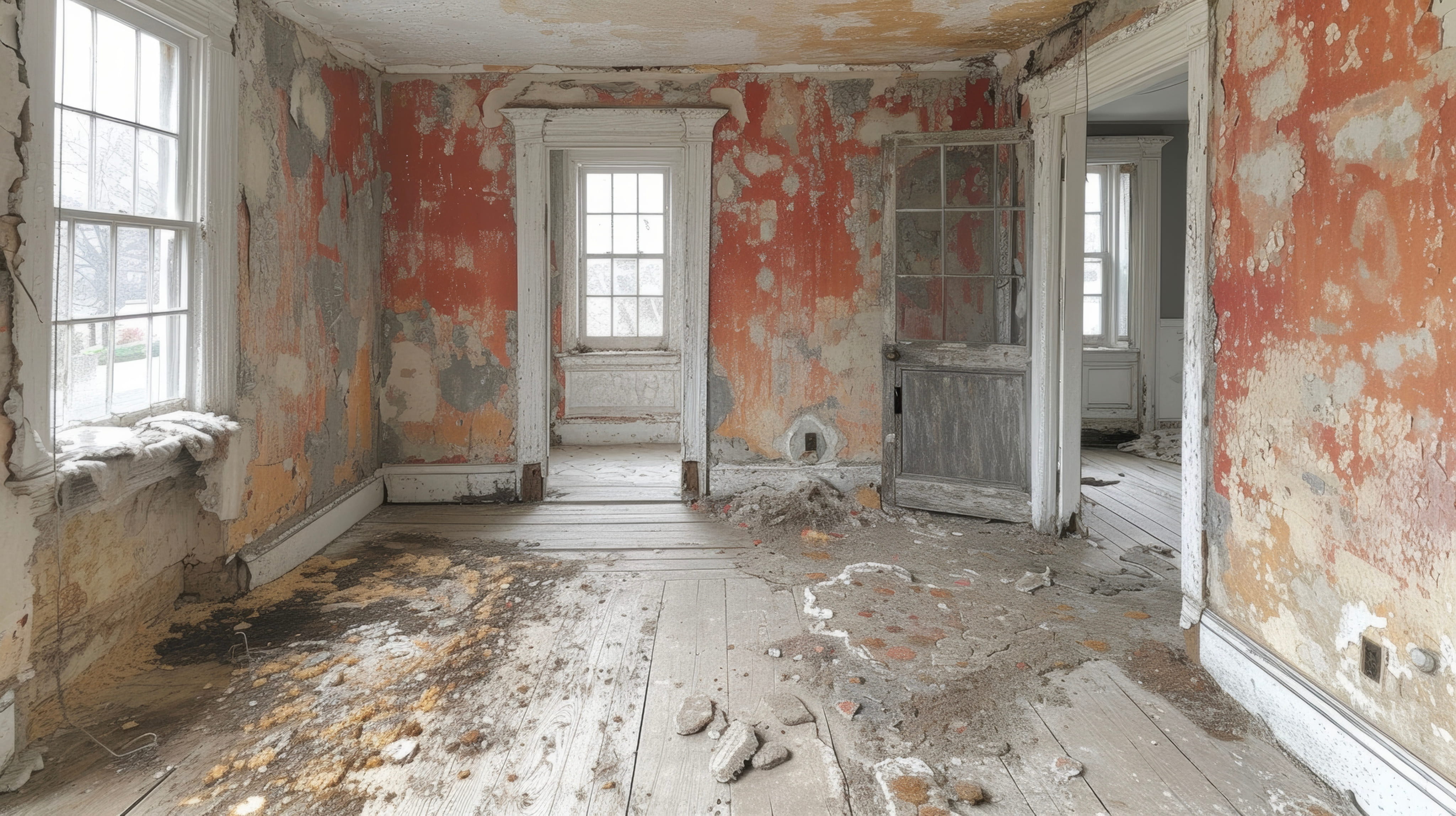
A property that has sat empty or been neglected presents a very different challenge from an ordinary tenant turn. There may be years of accumulated belongings, hidden leaks, pests, mold, broken systems, and unknown damage. Owners often arrive overwhelmed: an inherited house full of a lifetime of possessions, a rental left in poor condition, or a vacant property that has deteriorated. The best approach is a clear, staged plan: secure and assess the property, remove what needs to go, uncover and prioritize problems, make essential repairs, and then finish for rent or sale. Taking things in the right order saves money and avoids surprises.
Start With Safety and Security
Before anything else, make sure the property is safe to enter and secure from trespass. Check doors, windows, and locks, and consider re-keying or replacing locks. Look for obvious hazards such as broken stairs, exposed wiring, strong odors, or signs of animals. If conditions seem dangerous, bring in professionals before proceeding.
Confirm Your Authority
Make sure you have the legal right to access and work on the property, including ownership documentation or authorization. For inherited or abandoned properties, rules about who can enter, remove belongings, and dispose of items vary by location. Consult an attorney or local authority when ownership or possession is unclear.
Utilities and Basic Systems
Determine which utilities are on, and arrange service so you can inspect plumbing, electrical, and heating and cooling. Turning on water after long vacancy can reveal leaks, so open valves slowly and check for drips. Electrical panels and gas systems should be inspected by licensed professionals if there is any doubt.
Insurance and Vacancy Rules
Many insurance policies have restrictions or require special coverage when a property is vacant for an extended period. Check your policy, and talk to your agent about vacancy provisions and coverage during renovation. Document the property's condition with photos and video.
Document Everything
Before touching anything, photograph and video each room, the exterior, and any damage. Note dates and conditions. Documentation protects you in disputes, supports insurance claims, and helps plan scope and costs.
Walk the Property With a Checklist
Systematically inspect each room, the attic, crawlspace, basement, garage, and exterior. Note leaks, stains, soft floors, pests, mold, damaged windows, and broken fixtures. A written list lets you prioritize and get accurate quotes.
Look for Water Damage First
Water is the most destructive force in a vacant property. Check ceilings, walls, floors, and around plumbing for stains, soft spots, and mold. Look in the attic for roof leaks, and in the crawlspace or basement for moisture. Stop active water intrusion before anything else.
Roof, Gutters, and Exterior Envelope
Inspect the roof, gutters, siding, windows, and doors for damage that lets water, pests, and weather in. Temporary repairs, such as tarps and sealing gaps, protect the property while you plan permanent fixes. Larger roof work belongs to roofing professionals.
Pests and Wildlife
Vacant properties attract rodents, insects, and sometimes larger animals. Look for droppings, nests, chewed materials, and entry points. Arrange licensed pest control before cleaning, and seal gaps. Take care with animal waste, using protective gear and proper cleanup methods.
Mold and Air Quality
Musty smells and visible mold indicate moisture problems. Small areas of surface mold can be cleaned, but widespread or hidden mold needs professional assessment and remediation. Wear appropriate protection, and don't disturb large mold areas yourself.
Hazardous Materials
Older properties may contain asbestos, lead paint, or other hazards, and abandoned items may include chemicals or fuels. Don't disturb suspect materials without testing and proper handling. Follow local rules for hazardous waste.
Plan the Cleanout
Cleanouts, sometimes called trash-outs, remove belongings, debris, and trash from the property. Decide what to keep, donate, sell, or discard, and respect the sentimental and legal aspects, especially for inherited homes. Document valuable and personal items.
Handling Belongings and Heirlooms
In an inherited property, work with family members and the estate representative to identify items of value or sentiment. Photograph valuable items, set aside documents and personal papers, and follow any legal requirements. Take your time with decisions that can't be undone.
Hiring a Cleanout Crew
Professional cleanout crews have the labor, equipment, and disposal arrangements to clear a property quickly. Ask about insurance, disposal practices, recycling and donation, and how they handle valuables. Get a written quote, and agree on what's included.
Disposal and Dumpsters
Large cleanouts generate a lot of waste, and local rules govern disposal, including hazardous items and appliances. Dumpsters may require permits if placed on streets. Plan disposal in advance to avoid fines.
Deep Cleaning
After clearing, a deep cleaning removes dust, grime, odors, and biological hazards. Kitchens and bathrooms often need extra attention. In cases of heavy contamination, specialized cleaners with proper equipment may be needed.
Odor Control
Persistent odors from smoke, pets, mold, or spoiled items can linger in porous materials. Cleaning, sealing, and replacing carpet, padding, and sometimes drywall may be necessary. Masking odors doesn't solve the problem.
Plumbing Assessment
After long vacancy, pipes can be corroded, cracked, or frozen. Check for leaks, test fixtures, and flush systems. A licensed plumber can inspect main lines, water heaters, and fixtures. Fix leaks before beginning cosmetic work.
Electrical Assessment
Old or damaged wiring, overloaded panels, and non-working circuits are safety concerns. A licensed electrician should evaluate the system, repair hazards, and bring outlets, switches, and smoke detectors into working order.
Heating and Cooling
Test the heating and cooling systems, and replace filters. Old systems may need servicing or replacement. A licensed HVAC technician can evaluate safety and efficiency, particularly for gas and combustion appliances.
Structural Concerns
Sagging floors, cracked foundations, and damaged framing require evaluation by a structural professional or engineer. Don't cover structural problems with cosmetic repairs. Safety comes first.
Prioritize Repairs
Sequence work in a sensible order: safety hazards, water intrusion, structural issues, systems, then interior finishes. Making cosmetic repairs before fixing leaks wastes money. A prioritized scope helps you control budget and schedule.
Set a Budget and Contingency
Neglected properties hide surprises. Build a contingency, often a meaningful percentage of the estimated cost, to cover unforeseen issues. Get multiple quotes for major items, and clarify what's included.
Rent, Sell, or Hold?
The condition and market determine the best path. Some properties are worth fully renovating for rent, while others are better sold as-is or after limited repairs. Compare costs, expected returns, and your goals before committing to major work.
Make-Ready Finishes
Once repairs are done, the property needs the standard make-ready treatment: patching and painting, flooring repairs, fixtures, cleaning, and final inspection. Standardizing materials keeps costs predictable. Photograph the finished property for listings.
Neighbors and Local Requirements
Neglected properties can generate complaints, code violations, or fines. Check for notices, and bring the property into compliance, including yard maintenance and debris removal. Communicating with neighbors and local officials helps.
Permits and Licensed Work
Many repairs, such as electrical, plumbing, structural, and roofing work, require permits and licensed contractors. Use proper permits to protect safety and resale value. Unpermitted work can cause problems later.
Winterizing and Seasonal Protection
If the property will remain vacant through cold or storm seasons, protect it by draining or heating plumbing, securing openings, and maintaining roofs and gutters. Regular visits help catch problems early.
Working With a Make-Ready Partner
A reliable make-ready contractor can coordinate cleanouts, repairs, painting, flooring, and final cleaning, and bring in licensed trades. Clear scopes, photo documentation, and regular updates keep the project on track.
Rekeying and Access Control
When taking over a property, rekeying or replacing locks ensures you control access. Keep track of who has keys, and consider lockboxes or smart locks for contractors. Good access control protects the property and vendors.
Photos for Progress Tracking
Take dated photos at each stage, from the initial condition to the finished result. They help you track progress, resolve disputes, and show lenders, insurers, or heirs what has been done. A simple shared folder keeps everyone informed.
Coordinating Heirs and Stakeholders
In inherited properties, several people may have a say in decisions. Agree on who is authorized to decide, how costs will be shared, and how updates will be communicated. Clear roles prevent conflict and delays.
Managing Timelines Realistically
Neglected properties take longer than expected, because surprises appear as work progresses. Build buffers into your schedule, and communicate changes. A realistic timeline avoids stress and keeps relationships intact.
Yard, Landscaping, and Curb Appeal
Overgrown yards, dead trees, and debris signal neglect and can lead to complaints. Clearing brush, trimming, and basic landscaping greatly improve appearance and show neighbors you're taking care of the property. Hazardous trees should be handled by professionals.
Planning for the Long Term
Once the property is secure and repaired, schedule regular inspections, keep a maintenance log, and keep utilities and insurance current. A neglected property becomes a well-managed one through steady attention, not a one-time push.

Facing a vacant, inherited, or neglected property? Our make-ready crew helps you secure it, document its condition, coordinate cleanouts and licensed inspections, prioritize repairs, and finish it with paint, flooring, and cleaning, so it's ready to rent or sell. You'll get a clear plan and a firm price. Request your free make-ready estimate today.

Karter & Co


