

Luxury Vinyl Plank vs. Hardwood: Which Should You Choose?
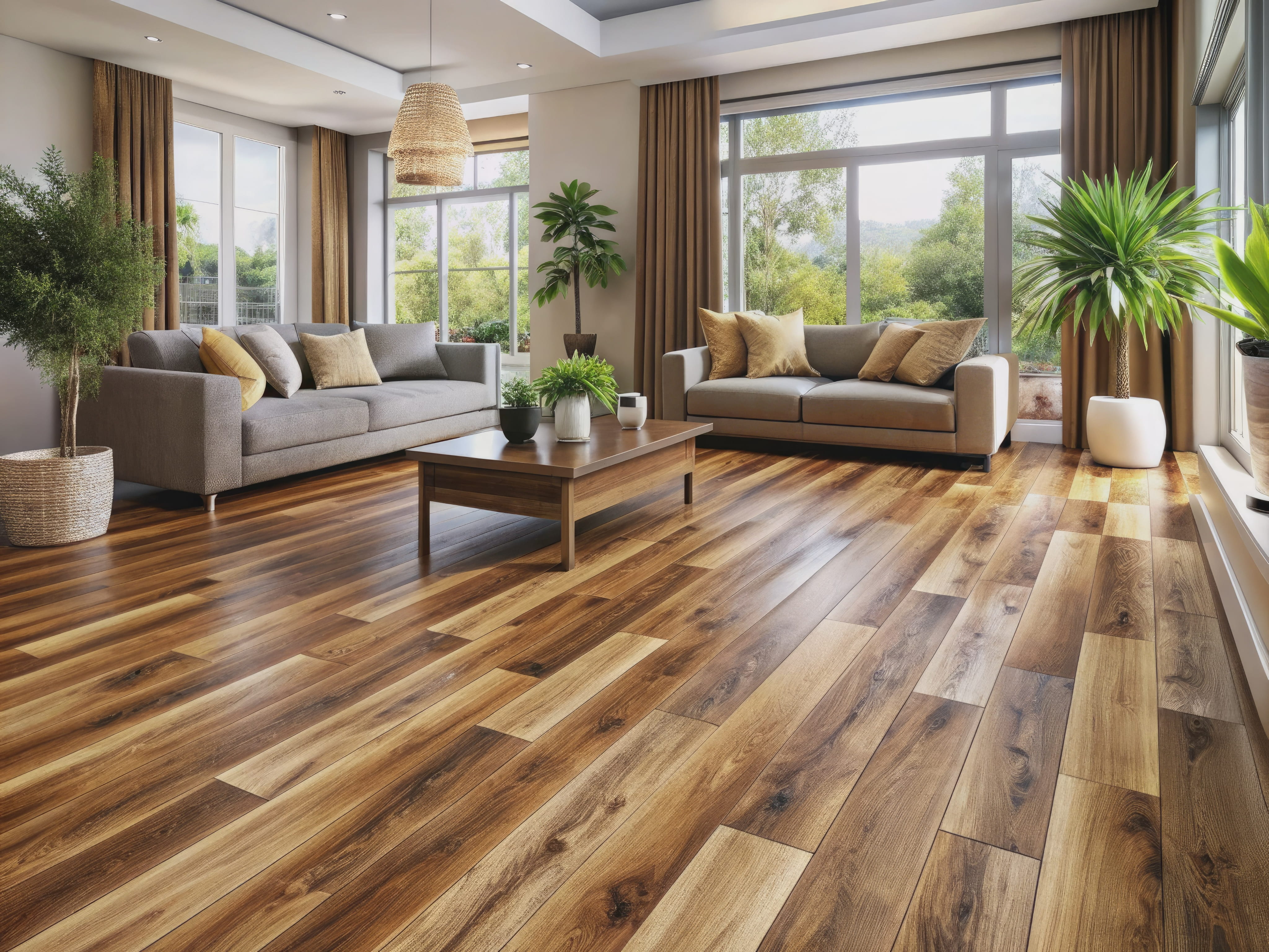
Luxury vinyl plank and hardwood are two of the most popular choices for homeowners who want the look of wood, and they compete head to head in many projects. They look similar from a distance, but they behave very differently over time. Understanding where each one shines helps you avoid choosing on appearance alone and ending up with a floor that doesn't suit your home or your habits.
What Luxury Vinyl Plank Is
Luxury vinyl plank is a multilayer synthetic floor with a printed image layer that mimics wood, protected by a clear wear layer. Higher-quality products add a rigid core for stability and sometimes an attached underlayment for comfort. The design is engineered to be waterproof or highly water resistant, durable, and easy to install, often in a click-together floating format.
What Hardwood Is
Solid hardwood is milled from a single piece of timber, usually in strips or planks. It is nailed or stapled to a subfloor, then sanded and finished. Engineered hardwood bonds a real wood surface to a stable core, and it can be glued, nailed, or floated. Both forms offer the warmth, grain, and character of real wood.
Appearance and Authenticity
Hardwood has natural variation in grain, color, and texture that no printed image can perfectly duplicate. Premium LVP uses embossed textures and multiple image patterns to look convincing, and many people can't tell the difference at a glance. Up close, though, real wood has depth and character that vinyl approximates but doesn't replicate. If authenticity matters to you, hardwood has the advantage.
Water Resistance
This is where LVP stands out. Many LVP products are fully waterproof, making them suitable for kitchens, bathrooms, laundry rooms, and basements. Hardwood reacts to moisture by swelling, cupping, or staining, and standing water can cause lasting damage. If you have pets, children, or areas prone to spills and humidity, LVP offers peace of mind.
Scratch and Dent Resistance
LVP's wear layer resists scratches and scuffs well, and it handles pet claws, dropped items, and rolling furniture better than many floors. Hardwood can dent and scratch, particularly softer species, though those marks can often be sanded out. Harder species and good finishes improve resistance, but hardwood is generally less forgiving of daily abuse.
Repair and Refinishing
A hardwood floor can be sanded and refinished several times, erasing years of wear and even changing color. Individual boards can be replaced. LVP can't be refinished, and a deeply damaged plank must be replaced. Click-together planks can be swapped if you have spare material, but the repair isn't always invisible.
Lifespan
Well-maintained hardwood can last for decades, even generations, because it can be refinished. LVP generally has a shorter lifespan, though quality products can last many years. Warranty terms vary, so compare what each manufacturer promises and what's excluded. Remember that the lifespan you actually get depends on installation and care.
Cost
LVP is typically less expensive than hardwood, both for materials and installation, and it can be installed quickly. Hardwood costs more upfront, and installation, finishing, and maintenance add to the total. Over a long period, refinishing can make hardwood cost-effective, but the initial investment is higher.
Installation and Subfloor Needs
LVP is more forgiving about subfloor conditions and humidity changes, and floating installations can go over many existing surfaces if they're flat and sound. Hardwood requires a properly prepared subfloor, acclimation, and careful installation. Both need a flat surface, but hardwood is less tolerant of moisture issues, especially on concrete.
Comfort and Feel
LVP can feel slightly softer and quieter underfoot, especially with attached underlayment. Hardwood feels solid and substantial but can be noisier without rugs. Temperature feels similar in practice, though each can feel cool in winter without area rugs.
Home Value and Buyer Appeal
Buyers often respond strongly to real hardwood, and it can enhance perceived value in many markets. Quality LVP is widely accepted and appreciated for durability, especially in busy households. Consider your market and how long you'll stay when weighing resale impact.
Pets and Children
LVP's water resistance and scratch resistance make it a favorite for households with pets and kids. Hardwood can work with careful maintenance, trimmed nails, and rugs, but accidents and wear may be more visible.
Maintenance
LVP cleans easily with routine sweeping and damp mopping. Hardwood needs gentle cleaners, protection from water, and occasional refinishing or recoating. Neither requires heavy maintenance, but hardwood demands more attention to moisture and care products.
Mixing the Two
Many homeowners use hardwood in main living areas for its beauty and LVP in kitchens, baths, basements, and mudrooms for practicality. With coordinated colors, the transition can feel intentional rather than mismatched.
Questions to Ask Yourself
How long will you stay? How much will the floor be exposed to water? Do you have pets or children? How much do you value natural material? What's your budget? Honest answers usually point toward one option for each room.
Radiant Heat Compatibility
If your home has radiant floor heating, both materials can work, but with conditions. Engineered hardwood is often compatible when installed according to manufacturer guidelines, because it's more stable than solid wood. Many LVP products are rated for radiant systems too, with temperature limits. Always confirm the maximum surface temperature and installation method with the manufacturer so you don't void the warranty.
Sunlight and Fading
Direct sun can fade or discolor flooring over time. Hardwood can darken or lighten depending on the species and finish, which is a natural change many people enjoy. LVP can fade or become slightly discolored under intense sun, and some products can warp from heat if exposed to large windows or sliding doors without protection. Window coverings or UV-protective films help preserve either floor.
Humidity and Seasonal Movement
Hardwood responds to seasonal humidity by expanding and contracting. In dry winters, small gaps between boards may appear, and in humid summers, boards may swell slightly. Maintaining steady indoor humidity reduces this movement. LVP is far less affected, though floating installations still need expansion gaps at walls. If your area has dramatic seasonal swings, this difference matters.
Installation Over Existing Floors
Many LVP products can be installed over existing hard surfaces such as vinyl, tile, or concrete if they're flat, clean, and sound, which can reduce demolition cost. Hardwood generally requires a clean, flat, dry subfloor and is less forgiving. Installing over existing floors can also raise the floor height, affecting doors, appliances, and transitions, so plan for those details.
Warranty Fine Print
Both materials come with manufacturer warranties, but the exclusions matter. Water damage, improper installation, excessive moisture, and certain cleaning methods can void coverage. Some warranties require professional installation or specific subfloor conditions. Read the terms and ask the installer how the floor will be installed to comply.
Furniture, Rolling Loads, and Everyday Wear
Heavy furniture can dent hardwood and some softer LVP surfaces, and rolling chairs can scratch or wear both. Use felt pads, wide casters, and chair mats in high-use areas. Rugs in entryways reduce grit that acts like sandpaper on the surface. These small habits extend the life of any floor.
Real-Life Scenarios
For a family with dogs and young children, and a kitchen that sees spills daily, LVP is often the practical winner. For a quiet adult household with a formal living room and an interest in long-term value, hardwood may be worth the investment. For a home with a mix of needs, combining hardwood in dry areas with LVP in wet ones balances both.
Sound and Acoustics
Hard floors amplify footsteps and furniture noise, especially in multi-story homes. Hardwood can be loud without rugs or a good underlayment. Many LVP products include an attached underlayment that dampens sound and softens footfalls. If you have bedrooms above living areas, ask about sound ratings and underlayment options for whichever floor you choose.
Common Myths Worth Clearing Up
One myth is that vinyl always looks fake. Modern premium products can be remarkably convincing, though cheap ones are not. Another is that hardwood is too delicate for family life. With the right species, finish, and habits, it can handle real use. A third is that waterproof means indestructible. Waterproof flooring resists water damage, but the subfloor, edges, and seams still need protection from standing water over time.
Thinking About Twenty Years, Not Two
A lower-cost floor that needs replacing in ten or fifteen years may end up costing more than a premium floor that can be refinished and lasts decades. On the other hand, a floor you plan to replace when you sell may not justify a long-term premium. Match your choice to your timeline, and be honest about how long you'll stay.
Questions to Ask Before You Buy
What is the wear layer thickness on the vinyl, and what is the finish warranty? What species, grade, and thickness is the wood? What are the subfloor requirements? Are the planks click-lock or glue-down? How is the product rated for water, heat, and sun? Specific answers help you compare products on facts rather than showroom impressions.

Torn between luxury vinyl and hardwood? We'll look at your rooms, moisture conditions, pets, and daily habits, then give you honest pricing and a clear recommendation for each space. You'll see real samples side by side, hear the tradeoffs without a sales pitch, and know exactly what each option costs before you commit. Request your free flooring estimate and compare them with real numbers.

Karter & Co


