

Kitchen Repairs a Handyman Can Fix: Cabinets, Faucets, Drawers, and More
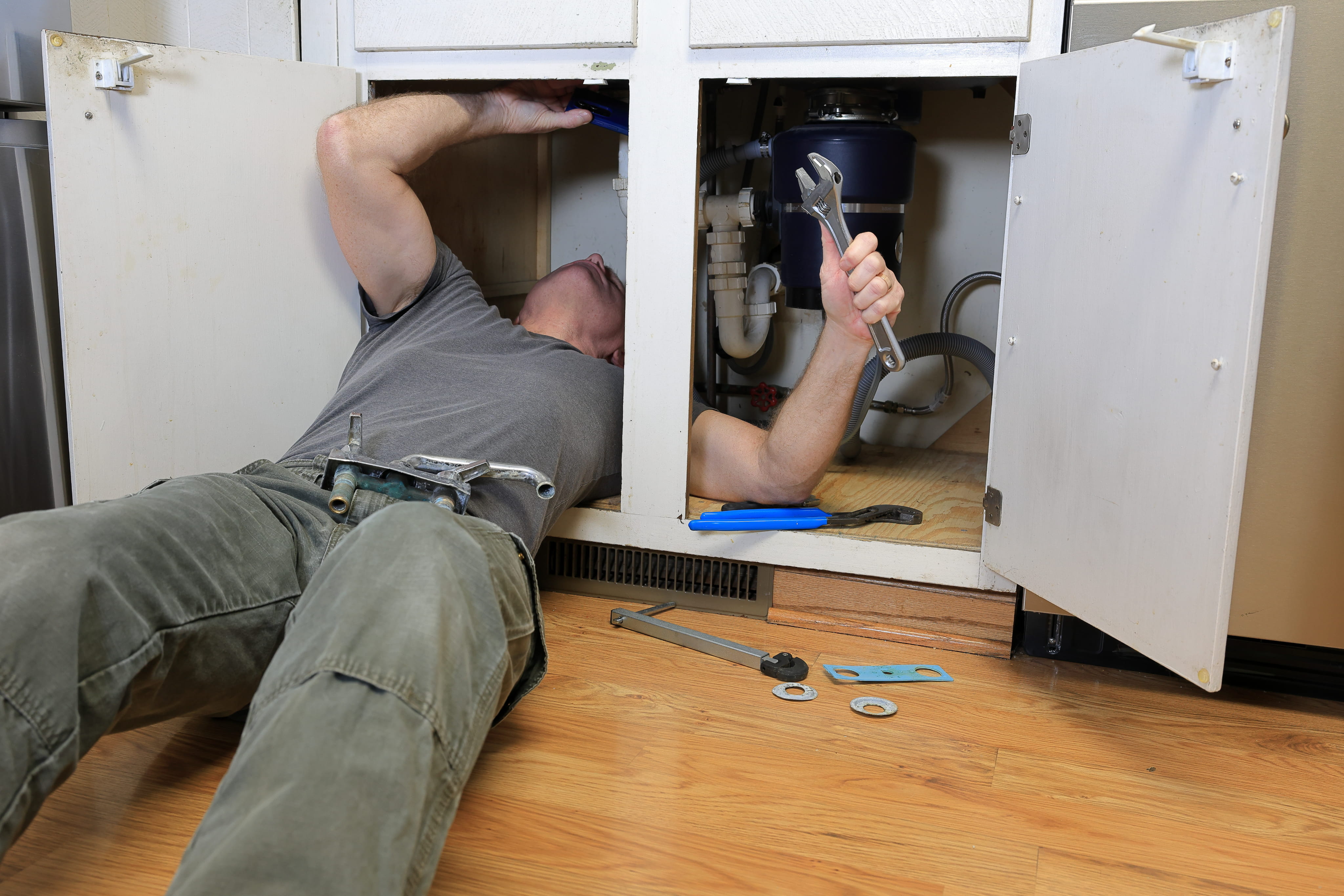
The kitchen is the busiest room in the house, which means it's also where small things wear out first. Cabinet doors sag, drawers stick, faucets drip, caulk cracks, tile loosens, and range hood lights burn out. None of these problems is catastrophic, but together they make a kitchen feel tired and frustrating. The good news is that most are quick, affordable fixes for a skilled handyman, and tackling them in a single visit can make the whole room feel new. Knowing what's routine, and what needs a specialist, helps you get the right help.
Why Small Kitchen Repairs Matter
Kitchens deal with water, heat, grease, and constant use. Small issues, such as a leaky supply line or failing caulk, can lead to hidden water damage, mold, and warped cabinets. Fixing them early prevents bigger and more expensive problems.
Sagging and Misaligned Cabinet Doors
Doors that don't hang evenly or won't close properly usually need hinge adjustments. Concealed hinges have adjustment screws that move the door up, down, in, and out. Loose screws can be tightened, and stripped holes repaired. Replacing worn hinges restores smooth operation.
Soft-Close Upgrades
Soft-close hinges and drawer slides add a quiet, premium feel. Many hinges can be swapped for soft-close versions, and add-on dampers are available. It's an affordable upgrade that protects cabinets from slamming.
Sticky or Broken Drawers
Drawers stick when slides wear out, tracks get dirty, or the box is out of square. Cleaning and lubricating tracks, tightening screws, and replacing slides fix most problems. Heavy drawers like pots and pans benefit from quality, full-extension slides.
Loose Pulls and Knobs
Loose hardware is annoying and can strip screw holes. Tightening, replacing screws, or filling and re-drilling holes restores a firm hold. Replacing outdated pulls is a quick update.
Cabinet Shelves and Pantry Shelving
Sagging shelves or missing shelf pins can be fixed by replacing pins, adding supports, or replacing shelves with sturdier material. Pantry shelves can be reinforced or reorganized with adjustable systems.
Peeling Cabinet Edges and Veneer
Loose veneer or edge banding can be re-glued, and minor damage can be touched up. Extensive damage may call for refinishing or refacing. A handyman can assess whether a simple repair will do.
Faucet Drips and Replacements
Dripping faucets usually need new cartridges, washers, or seals. Replacing the entire faucet is a quick upgrade and often simple for like-for-like swaps. A handyman can also replace sprayers, hoses, and aerators.
Low Water Pressure
Low pressure at the faucet often results from a clogged aerator or kinked supply line. Cleaning the aerator, checking supply lines, and replacing worn parts can restore flow. Persistent low pressure throughout the house needs a plumber.
Leaky Supply Lines and Under-Sink Plumbing
Supply lines can leak at connections, and drain pipes can drip at joints. Tightening fittings or replacing lines is routine. Any ongoing leak, corrosion, or water damage under the sink should be fixed promptly to avoid mold and cabinet damage.
Garbage Disposal Issues
Disposals jam, hum, or leak. Resetting, clearing jams, and replacing worn components can solve problems. If the unit is old or leaking from the body, replacement is usually the best choice. A handyman can swap like-for-like units.
Dishwasher Connections and Adjustments
Handymen can secure dishwashers, replace door seals, and check hoses and connections. Complex repairs involving electrical or plumbing modifications may need specialists. Leaks should be addressed promptly to protect floors and cabinets.
Caulking Around Sinks and Backsplash
Cracked or moldy caulk around sinks, countertops, and backsplashes lets water in. Removing the old caulk and applying fresh silicone or appropriate sealant improves appearance and protects cabinets. Choose caulk suited to kitchens.
Backsplash Tile and Grout Repairs
Loose or cracked tiles can be reset or replaced, and grout can be repaired and sealed. Matching tile can be difficult for older installations. Keeping spare tiles helps.
Countertop Edges and Seams
Minor chips in laminate, loose edging, and open seams can be repaired. Stone and solid-surface repairs may need specialists. Sealing seams protects the substrate from moisture.
Range Hood Filters and Lights
Grease-clogged filters reduce ventilation and are a fire hazard. Cleaning or replacing filters, and replacing bulbs, keeps hoods working. Hood installation or ducting modifications may need professionals.
Cabinet Under-Lighting
Under-cabinet lights improve visibility and ambiance. Plug-in and battery-powered options are easy to install, while hardwired systems may need an electrician. A handyman can install the simple types.
Outlet Covers and Switch Plates
Cracked or discolored covers make a kitchen look worn. Replacing them is a quick update. Any electrical changes beyond cover replacement should be done by a licensed electrician.
GFCI Outlets
Kitchen outlets near water are typically GFCI-protected for safety. If outlets stop working or won't reset, they may need replacement. Electrical work should follow local rules, and a licensed electrician should handle questions.
Appliance Installation
Handymen can help install range hoods, microwaves, and some appliances, depending on the connections involved. Gas and 240-volt connections require licensed professionals. Always follow manufacturer instructions.
Flooring Repairs
Loose or damaged flooring near sinks and dishwashers can be repaired, particularly if caught early. Water damage may need replacement of the subfloor. Check for soft spots.
Painting and Touch-Ups
Scuffed walls, greasy spots, and chipped trim can be cleaned and repainted. Kitchen-appropriate paint resists moisture and is washable. A fresh coat can lift the whole room.
Pest Entry Points
Gaps around pipes, behind appliances, and under sinks invite pests. Sealing with caulk and steel wool helps. Persistent pests need professional treatment.
When to Call a Specialist
Gas lines, major plumbing changes, electrical circuits, countertop replacement, and cabinet installation are outside typical handyman scope. A good handyman will recommend the right professional.
Preparing for a Handyman Visit
Clear counters, empty the cabinets to be worked on, list all issues, and have any parts or fixtures ready. Group tasks to save money.
Hanging Pot Racks and Shelves
Pot racks and open shelves hold substantial weight, so they must be anchored into studs or ceiling joists with proper hardware. A handyman can locate framing, choose the right fasteners, and mount items level and secure. Avoid drywall anchors alone for heavy loads.
Pantry and Organization Upgrades
Pull-out shelves, door-mounted racks, and cabinet organizers make kitchens more usable. A handyman can install them in less time than most homeowners expect. They improve function without remodeling.
Replacing Cabinet Doors and Drawer Fronts
If doors are damaged or outdated, replacing just the doors and drawer fronts can refresh a kitchen at a fraction of the cost of new cabinets. Measure carefully, and match hinge types and overlay. A handyman or cabinet specialist can handle the installation.
Water Filters and Small Appliance Hookups
Under-sink water filters, instant hot water dispensers, and soap dispensers can be installed by a handyman where plumbing and electrical connections are simple. More complex connections should be done by licensed professionals.
Kitchen Safety Checks
Test smoke and carbon monoxide detectors, check that the fire extinguisher is accessible, inspect cords and outlets, and make sure the range hood works. A handyman can address small safety issues during a visit. Safety updates are quick and valuable.
Keeping the Kitchen Usable During Repairs
Repairs usually take a few hours, but you may need to empty cabinets and avoid the sink briefly. Plan meals, and ask your handyman how long water or the dishwasher will be unavailable. A short list of tasks can often be done in a single day.
Quick Wins That Make a Kitchen Feel New
Replace worn cabinet hardware, caulk around the sink, fix the dripping faucet, tighten loose doors, and clean or replace the range hood filter. These small steps often create a bigger difference than expected. A refreshed kitchen starts with fixing what's annoying.
Documenting Repairs for Rentals
Landlords and property managers should keep records of kitchen repairs, including photos, costs, and dates. Documentation supports tenant communication and future maintenance planning.
Preventive Habits
Wipe spills, run the range hood, check under the sink monthly, and clean drains. A few habits reduce wear and keep the kitchen working smoothly between handyman visits.
Handling Grease and Odors
Greasy cabinets, hood filters, and walls can hold odors and attract dust. Cleaning with a degreaser, replacing filters, and wiping surfaces regularly improves air and appearance. For rental turns, a thorough kitchen cleaning is often as valuable as a repair.
Small Fixes Before Selling or Listing
Before showing a home, fix dripping faucets, tighten cabinet hardware, caulk around the sink, and replace cracked outlet covers. Buyers notice small kitchen flaws and may assume bigger problems. A single handyman visit can improve first impressions.
Setting Priorities
If your list is long, start with leaks and safety issues, then items that affect daily use, then cosmetic updates. Prioritizing keeps repairs focused and prevents damage. A handyman can help you decide what to tackle first.

Got a list of small kitchen annoyances? Our handyman team adjusts cabinet doors, replaces drawer slides and faucets, caulks and repairs backsplash, installs hardware and lights, and tells you honestly when a job needs a licensed specialist. Send us your list for a clear quote. Request your free handyman estimate today.

Karter & Co


