

How to Paint Wood, Stucco, Brick, Vinyl, and Fiber Cement Siding the Right Way
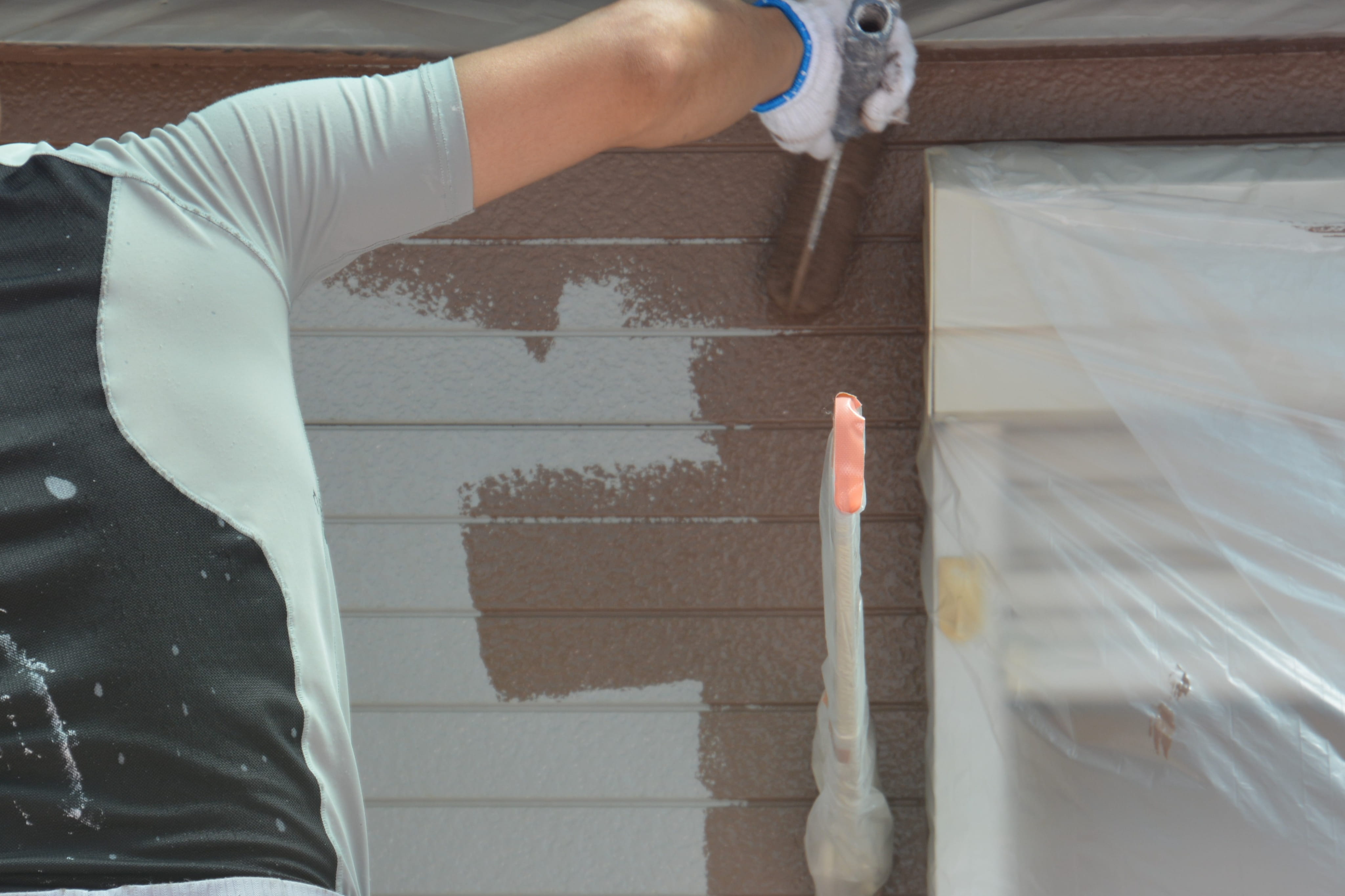
An exterior paint job is only as good as the match between the paint and the surface underneath. Wood, stucco, brick, vinyl, and fiber cement all behave differently, and each one has its own rules about preparation, primer, paint type, and color. Using the right process for your siding is the difference between a finish that lasts for years and one that peels, blisters, or fades in a season. Whether you're planning a project or comparing contractor quotes, understanding how each material is handled helps you ask better questions and recognize quality work.
Why Siding Material Matters
Different materials absorb moisture differently, expand and contract differently, and accept paint differently. Painting a porous surface like stucco is nothing like painting smooth vinyl. A contractor who treats every house the same way is likely to cut corners somewhere. Good painters tailor the preparation and the products to the substrate.
Painting Wood Siding
Wood is the traditional choice and the one most commonly repainted. It needs to be clean, dry, and sound. Loose paint is scraped, bare wood is primed, rotted boards are replaced, and gaps are caulked with a flexible exterior sealant. Wood moves with humidity, so a high-quality, flexible acrylic paint holds up best. Oil-based primers are often used on bare wood, especially species that bleed tannins such as cedar and redwood.
Preparing Wood Properly
Good preparation includes washing the surface to remove dirt and mildew, scraping and sanding failing paint, spot priming bare areas, and repairing damage. Skipping prep leads to peeling. Wood that has been bare for a while may need a thorough sanding to remove weathered, gray fibers that don't hold paint well.
Painting Stucco
Stucco is porous, textured, and cement-based. It absorbs water readily, so the surface must be dry before painting, and cracks need to be repaired first. Elastomeric coatings are often used because they stretch, bridge hairline cracks, and add waterproofing. Because stucco needs to breathe, avoid film-forming coatings that trap moisture. Stucco often needs more paint than smooth surfaces because of its texture.
Checking Stucco for Problems
Before painting, look for cracks, stains, bulges, and soft areas that could indicate moisture damage behind the surface. Painting over active moisture problems traps water and makes damage worse. Repair first, then coat.
Painting Brick
Painting brick is a major decision because it's difficult to reverse. Once painted, brick is hard to restore to its original look, and painted brick requires periodic repainting. If you do paint it, the brick must be clean and dry, efflorescence (white salt deposits) should be removed, mortar should be repaired, and a masonry primer applied. Breathable masonry paint helps moisture escape.
Considering Whether to Paint Brick
Some homeowners love the updated look of painted brick, while others regret losing the natural texture and color. Consider the long-term maintenance, the style of your home, and whether alternatives like a limewash or a stain might give you the look you want with more breathability.
Painting Vinyl Siding
Vinyl can be painted, but it requires the right paint and the right color choice. Vinyl expands and contracts with temperature, and dark colors absorb heat, which can cause warping. Use paints formulated for vinyl, which contain special pigments that reflect heat, and stick to colors close to the original or lighter. The siding must be cleaned thoroughly, since chalky residue prevents adhesion.
Vinyl Warranty Considerations
Painting vinyl siding may affect the manufacturer's warranty, and some manufacturers restrict dark colors. Check the warranty before painting. A thoughtful contractor will raise this issue rather than ignoring it.
Painting Fiber Cement Siding
Fiber cement siding is durable and stable, and it holds paint well, but it must be properly prepared. Factory-primed boards need to be cleaned and, if needed, spot primed where cut or damaged. Fiber cement is porous at cut edges, so these areas should be sealed. High-quality acrylic exterior paint typically performs well.
Painting Aluminum and Metal Siding
Aluminum siding often develops chalking, a powdery residue that must be removed before painting. Rust on steel needs to be treated and primed with a rust-inhibiting primer. Metal expands and contracts, so flexible paints are best.
Trim, Doors, and Shutters
Trim and doors take a beating and are usually painted in a harder, shinier finish than siding. Semi-gloss or satin exterior paint resists dirt and moisture. These surfaces often need the most repair, since they're prone to rot at the joints and edges.
Primer: Choosing the Right One
Primer isn't optional on bare or repaired surfaces. Different substrates need different primers: oil-based or stain-blocking primers on bare wood, masonry primers on brick and stucco, bonding primers on glossy or tricky surfaces. The right primer improves adhesion and the longevity of the finish.
Choosing the Paint
Look for high-quality, 100 percent acrylic exterior paints, which are flexible, breathable, and fade resistant. Cheaper paints often contain fillers that chalk and fade faster. A good paint costs more per gallon but covers better and lasts longer, which lowers the cost per year.
Sheen Choices Outdoors
Flat and low-sheen finishes hide imperfections but collect dirt more easily. Satin and semi-gloss shed dirt and are easier to clean, which makes them popular for trim and for homes in dusty or humid areas. Choose based on the look you want and the maintenance you're willing to do.
Color and Heat
Dark colors absorb more heat and can stress some materials, particularly vinyl. Lighter colors reflect heat and fade more slowly. Check the paint's light reflectance value and the manufacturer's guidance for your siding.
Weather and Timing
Exterior paint needs the right conditions: moderate temperatures, low humidity, and no rain in the forecast. Painting too early or late in the day can trap dew. Surfaces should be fully dry before painting. A professional paints when conditions allow, not just when the calendar says so.
Caulking and Sealing
Caulk around windows, doors, trim joints, and penetrations keeps water out. Use a high-quality, paintable, flexible exterior caulk. Old, cracked caulk should be removed and replaced before painting. Good caulking is one of the most underrated parts of a durable paint job.
Cleaning Before Painting
Dirt, mildew, and chalk prevent paint from sticking. Washing the house before painting is essential, using a gentle method suited to the siding. Allow time for the surface to dry completely before the first coat.
How Many Coats
Most exterior projects call for a primer where needed and two coats of finish paint. Some surfaces, like stucco and bare wood, may need extra material. Proper film thickness is what protects the surface. A single thin coat looks fine at first and wears quickly.
Cost Differences by Material
Smooth, well-maintained siding is the least expensive to paint. Stucco and brick require more paint and more prep. Heavily damaged wood adds repair costs. A quote that doesn't consider your siding type and condition may leave out important work.
Questions to Ask Your Painter
What preparation will you do on my siding? What primer and paint will you use, and why? How will you handle cracks, rot, and caulking? Will the paint affect my siding warranty? What guarantee do you offer? Clear answers reveal real experience.
Dealing With Old Peeling Paint and Lead Concerns
Homes built before the late 1970s may contain lead-based paint, and disturbing it through sanding or scraping can create hazardous dust. If your home is older, ask whether testing is needed, and make sure your contractor follows lead-safe work practices when they're required. Safe handling protects your family and your neighbors.
Gutters, Soffits, and Fascia
Gutters, soffits, and fascia are exposed to water and sun and are often the first parts of a house to fail. Painting them with the right primer and paint protects the wood or metal underneath and gives the house a finished look. Rusty metal should be treated and primed, and rotted wood replaced before painting.
Garage Doors and Metal Surfaces
Metal doors and trim need rust-inhibiting primer and flexible paint made for metal. Garage doors are large, highly visible, and subject to temperature swings, so a quality finish pays off. Clean and degrease the surface, remove loose paint and rust, and apply thin, even coats.
Spray, Brush, or Roll
Spraying covers large areas quickly and gives an even finish, but it requires careful masking and skill. Brushing and rolling push paint into the surface and are often used to back-brush after spraying, which improves adhesion. Many professionals combine methods to get speed and durability.
Maintenance Cycles by Material
Wood typically needs repainting more often than fiber cement or properly painted brick. Stucco's elastomeric coatings can last a long time but should be inspected for cracks. Vinyl painted in a suitable color can last many years. Keeping an eye on caulk and trim extends the life of any finish.

Every siding material needs its own prep, primer, and paint. Our painters inspect your wood, stucco, brick, vinyl, or fiber cement, repair what needs repair, and use the right products for the surface so your finish lasts. You'll get a clear written scope before we begin. Get your free exterior painting estimate and paint it right.

Karter & Co


