

How to Choose a Trim and Finish Carpentry Contractor
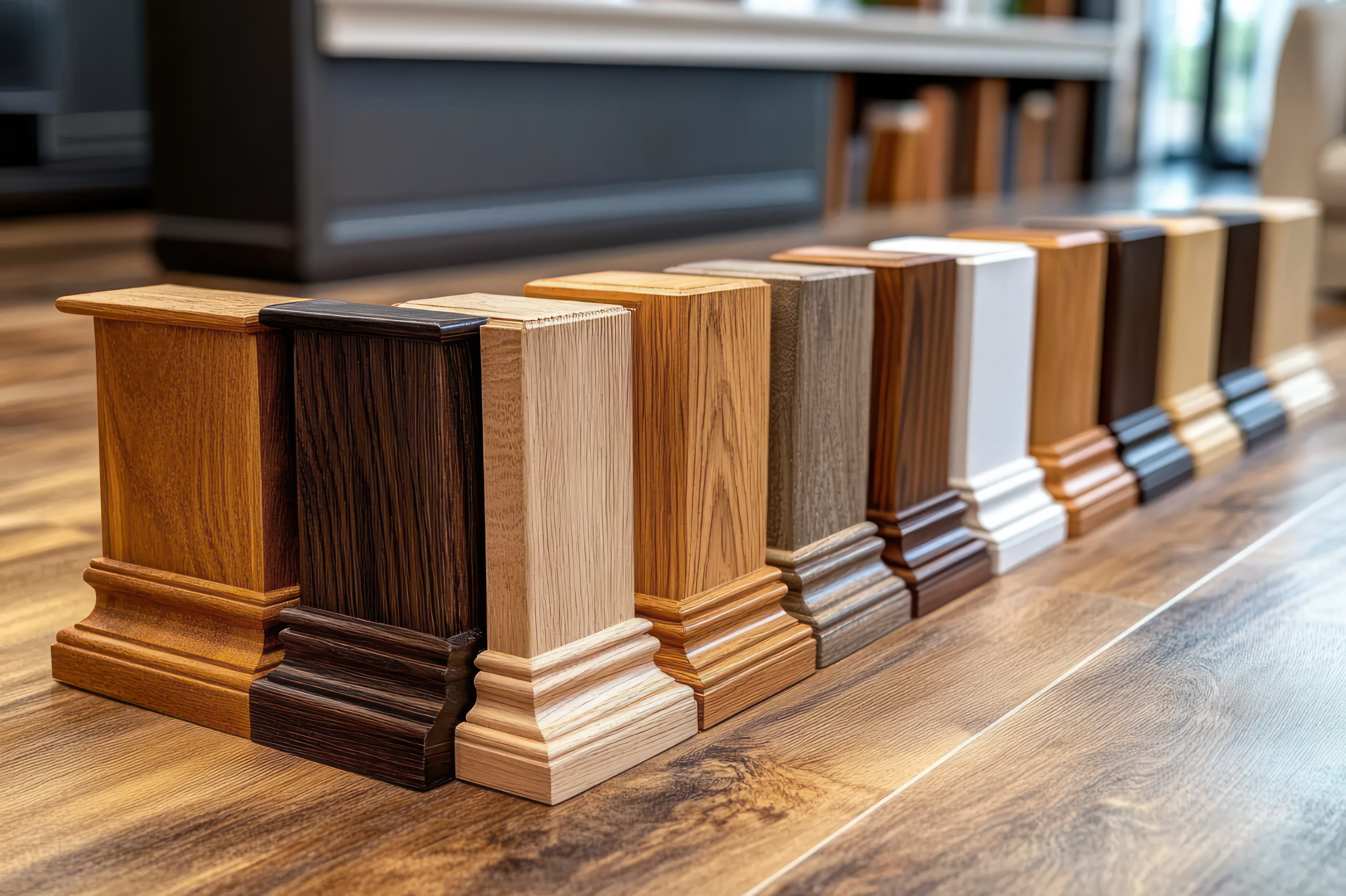
Finish carpentry is detail work, and the quality of a trim contractor shows in the details: tight corners, even reveals, clean caulk lines, and a finish that holds up. Because trim is one of the most visible parts of a home's interior, hiring the right person matters. Knowing what to look for helps you avoid disappointment and compare quotes with confidence.
Look at Finished Work Closely
Photos and in-person examples reveal more than any sales pitch. Look at corners, where trim pieces meet. Are the joints tight? Are the reveals around doors consistent? Is the caulking clean and smooth? Are nail holes invisible after painting? These details separate experienced carpenters from beginners.
Ask About Experience With Your Type of Work
Baseboards are different from crown, which differs from wainscoting. If your project involves stain-grade trim, curved walls, or older homes with unusual profiles, ask whether the contractor has handled similar work. Experience with the specific type of project reduces risk.
Request Detailed Written Quotes
A good quote lists linear footage, materials, profiles, labor, removal of old trim, prep, caulking, filling, and painting or finishing. It states what's included and what isn't, along with timeline and payment terms. Vague quotes make comparison difficult.
Understand What's Included
One of the most common sources of confusion is whether painting is included. Ask whether the quote covers priming and finish coats, and whether it includes caulking and nail hole filling. Also ask about cleanup and haul-away.
Ask About Materials
Which materials will be used, and why? A contractor should explain the reasons for recommending MDF, pine, PVC, or hardwood in each area. Be cautious if someone offers one material for everything without considering moisture or finish.
Check References and Reviews
Past customers can tell you about punctuality, communication, cleanliness, and how problems were handled. Reviews offer additional insight, especially when you read how the company responds to concerns.
Confirm Insurance and Licensing
Liability insurance protects you if something is damaged. Ask for proof, and verify licensing requirements in your area. Established businesses should be able to provide this information readily.
Watch for Red Flags
Unusually low bids, pressure to sign quickly, reluctance to provide references, no written agreement, and requests for large upfront payments are all reasons for caution.
Evaluate Communication
A good contractor listens to your goals, asks thoughtful questions, and explains options. They return calls and respect your time. Communication during the estimate typically predicts communication during the project.
Ask About Schedule and Disruption
How long will the project take? Will the crew work daily? How will furniture and floors be protected? A professional plans for dust control, protection of flooring, and minimal disruption.
Warranty and Follow-Up
Ask whether the work is guaranteed and what that covers. Small touch-ups after the house settles are normal, and a conscientious contractor will address them. Understanding this upfront prevents misunderstandings.
Compare Quotes Fairly
Use the same questions with each contractor, and compare scope, not just price. A slightly higher quote that includes everything and shows evidence of quality may be better value than a bargain bid with hidden exclusions.
Trust Your Impressions
How the contractor handles the estimate visit often reflects how they'll handle the project. Punctuality, attention to detail, and respect for your home are meaningful signals.

Hiring a trim carpenter should feel straightforward. We'll walk your rooms, answer every question, and give you a clear, itemized quote. Request your free trim carpentry estimate and see how we work.

Karter & Co


