

How to Choose a Stain Color for Your Fence and Deck
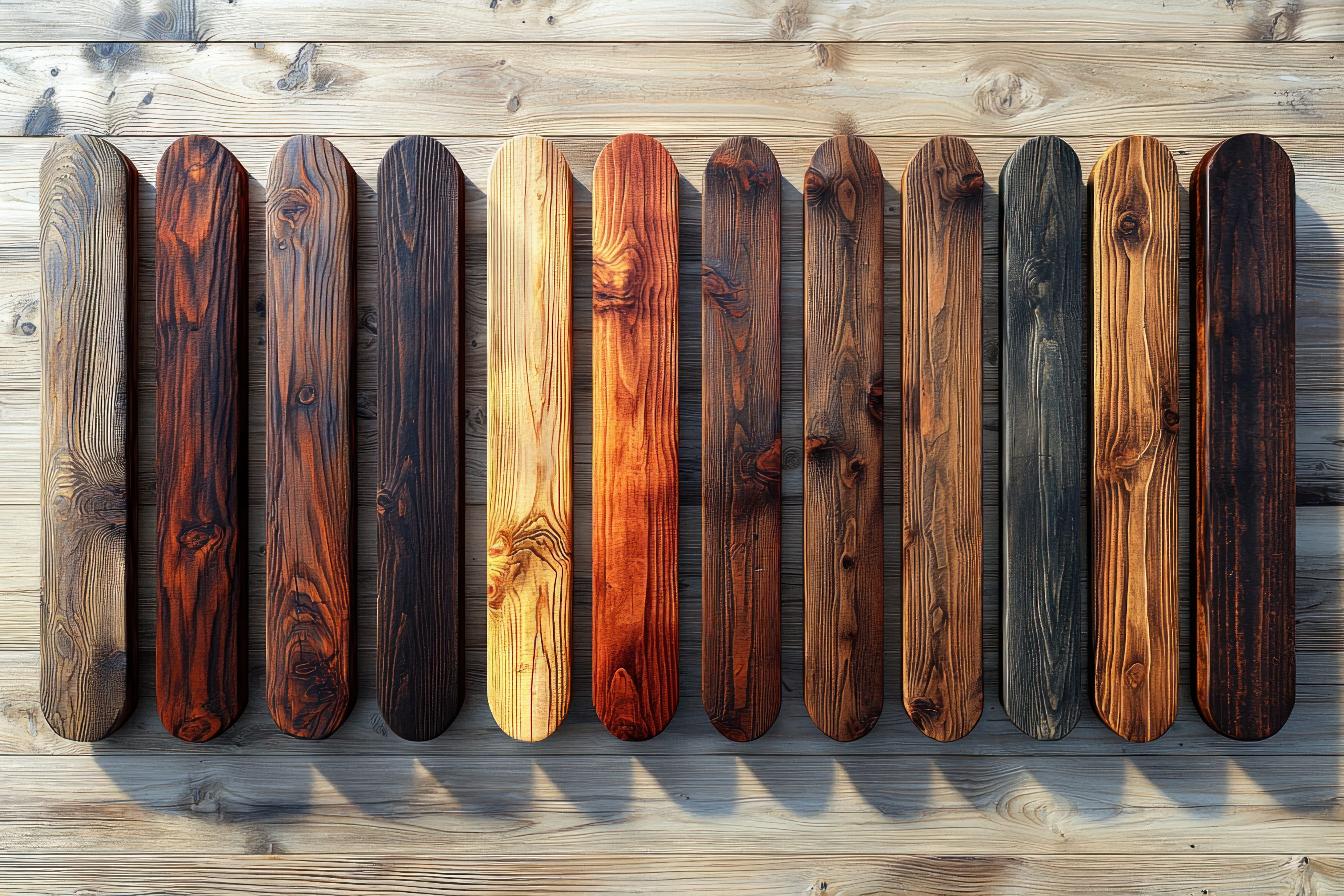
Choosing a stain color feels simple until you're standing in front of a wall of sample chips, all of them some shade of brown. The color on the can is only part of the story. Stain is transparent or semi-transparent, so the final look depends on the wood underneath, how much stain it absorbs, how much sun it gets, and how it relates to the house, the landscape, and the neighbors' view. A color that looks perfect on the chip can look orange, muddy, or flat on your own fence. Understanding how stain color works helps you choose a shade you'll still like when the job is done.
Stain Isn't Paint
Paint sits on top of the surface and hides what's underneath. Stain soaks into the wood and tints it, letting grain and variation show through. That means the same stain can look dramatically different on cedar, pine, and pressure-treated lumber. Always evaluate a color on your own wood, not just on the can label or a sample board in the store.
Transparency Changes the Look
Stains come in different levels of opacity. Clear and toner-only products add little color and keep a natural look. Semi-transparent stains add noticeable color while showing grain. Semi-solid and solid stains hide more of the wood and look closer to paint. The more transparent the stain, the more the wood's natural color influences the result.
How Wood Species Affects Color
Cedar and redwood have warm, reddish tones that blend with many stains. Pressure-treated pine often has a greenish or tan cast that can shift the color toward olive or yellow. Older, weathered wood may absorb stain unevenly, creating darker and lighter areas. Species and condition both matter.
Natural and Clear Tones
Natural or clear-toned stains enhance the wood's original color without making it much darker. They're popular on cedar and redwood, where the natural color is attractive. They offer less UV protection, so they may need refinishing more often to prevent graying.
Cedar and Redwood Tones
Warm reddish and amber stains mimic the color of fresh cedar and redwood. They look traditional and friendly, and they suit homes with warm brick, wood siding, and earth-toned landscaping. On pressure-treated wood, they can make fences and decks look more like premium woods.
Brown and Walnut Tones
Medium and dark brown stains create a rich, classic look. They hide dirt, blend with landscaping, and pair well with many house colors. Because dark stains absorb more heat, they can make decks hotter in full sun.
Gray and Weathered Tones
Gray stains reproduce a weathered look and have become very popular for modern and coastal styles. They can look beautiful when matched to the house color, but on some woods they can turn blue, green, or flat. Always test gray stains, since undertones vary widely.
Black and Charcoal
Very dark stains give a dramatic, contemporary look and make fences visually recede in gardens, letting plants stand out. They absorb heat and can show dust, pollen, and sun fading. They need a high-quality, UV-resistant product.
Considering Your House Colors
Look at the siding, trim, roof, brick, and stone. Warm homes pair with warm stains, while cool or gray homes can suit gray or neutral brown tones. If the house has strong color, a quieter, natural stain on the fence and deck can balance it.
Considering the Landscape
Greenery looks great against dark and neutral backdrops. Light-colored fences can brighten a small yard, while dark fences make the space feel deeper. Think about the view from inside the house as well as from the yard.
Sun, Heat, and Fading
Intense sun fades stain, especially dark colors and reds. Choosing a stain with strong UV protection helps. Dark decks can get hot underfoot in summer, which matters for bare feet and pets. Lighter tones stay cooler.
Hiding Dirt and Wear
Mid-tone browns and grays hide dirt, pollen, and footprints better than very light or very dark shades. If your deck sees heavy use or sits under trees, practical considerations may outweigh a trendy color.
Matching Fence and Deck
Matching the fence and deck creates a cohesive look, but they don't have to be identical. Using the same color family in slightly different transparencies, or a darker deck with a lighter fence, adds depth. If they share the same wall, such as a fence attached to a deck, matching is usually safer.
Neighbors and Shared Fences
If you share a fence, talk to your neighbor before choosing a color. Some people prefer to stain only their side, or to agree on a neutral shade. Consider whether your HOA has rules about fence and deck colors.
HOA Requirements
Many HOAs have approved stain colors or require approval. Check the guidelines before buying stain, and keep the approved color and product names on file. Using the wrong color can lead to fines or orders to restain.
Testing Samples on Your Own Wood
Apply sample stains to hidden boards, the back of a fence section, or the underside of the deck. Let them dry fully, since color changes as stain dries. Look at them in sun and shade, wet and dry, morning and evening.
Preparing the Test Area
Test on wood prepared the same way as the final surface, cleaned and dry. Staining dirty or damp wood changes the result. Testing on an unrepresentative board can be misleading.
One Coat vs. Two Coats
More stain generally means darker color, but penetrating stains can only absorb so much. Follow the manufacturer's instructions on coats. Applying a second coat after the first has dried may not darken the color and can leave a film.
Batch Consistency
Stain colors can vary slightly between batches. Buy all the stain you need at the same time, and mix cans together, a process called boxing, to keep color consistent across the project. Keep leftover stain labeled for touch-ups.
Color Changes Over Time
Stain colors change as they weather. Many darken slightly at first, then fade over time. Clear and light stains weather faster than dark ones. Plan to refinish when the color has faded or water no longer beads.
Resale and Curb Appeal
Neutral, natural tones appeal to the broadest audience. A well-maintained fence and deck in a pleasing color adds curb appeal. Overly bold colors can narrow appeal, though some homeowners love them.
Trends vs. Timeless Choices
Trends such as gray and black stains come and go. Classic cedar and brown tones tend to age gracefully. If you love a trend, consider whether you'll still like it in several years, since restaining involves effort.
Working With a Professional
A professional stainer sees how colors behave on different woods and can recommend products and shades. They can apply test patches, evaluate your wood's condition, and prepare surfaces properly for even color. Ask to see completed projects.
Matching Stain to the Age of the Wood
New wood, freshly cleaned old wood, and weathered wood absorb stain differently. A color that looks warm on new cedar may look darker on old, thirsty boards. Preparing the surface evenly helps color look consistent across the project.
Why Samples From the Store Can Mislead
Display boards in stores are often a different species and a different wood condition than yours. They're also viewed under bright store lighting. Treat them as a starting point, not a promise of the final result.
Thinking About Maintenance Cycles
Lighter, more transparent stains need refinishing more often than darker, more pigmented ones. If you want a low-maintenance option, consider a slightly deeper tone with strong UV protection. Choose a color you're happy to maintain.
Colors for Small Yards and Large Yards
Dark fences make small yards feel cozy and let plants stand out, but they can feel heavy in tight spaces without light. Light and mid-tones reflect light and open up small yards. Large yards can carry bolder colors.
Pairing Stain With Furniture and Accessories
Outdoor furniture, cushions, and planters look different against different stain colors. Neutral brown and gray stains make it easy to change accessories. Consider your existing furniture when choosing a deck color.
Testing in Sun and Shade
Wood in full sun and wood in shade can look different after staining, because sun-baked boards absorb stain differently. If your fence or deck has both, test in both areas, and plan on a consistent product and method to blend the result.
Adjusting Color With Your Product Choice
If a stain looks too dark or too orange in tests, a different brand or transparency level often fixes it. Manufacturers' colors with the same name can vary a lot. Don't be afraid to try another product before committing.

Want to love your stain color before it's on the whole fence? We'll apply test patches on your own wood, show you how each shade looks in sun and shade, recommend products with strong UV protection, and stain with consistent, even coverage. You'll see the color first. Request your free staining estimate today.

Karter & Co


