

How to Choose a Reliable Handyman for Your Home
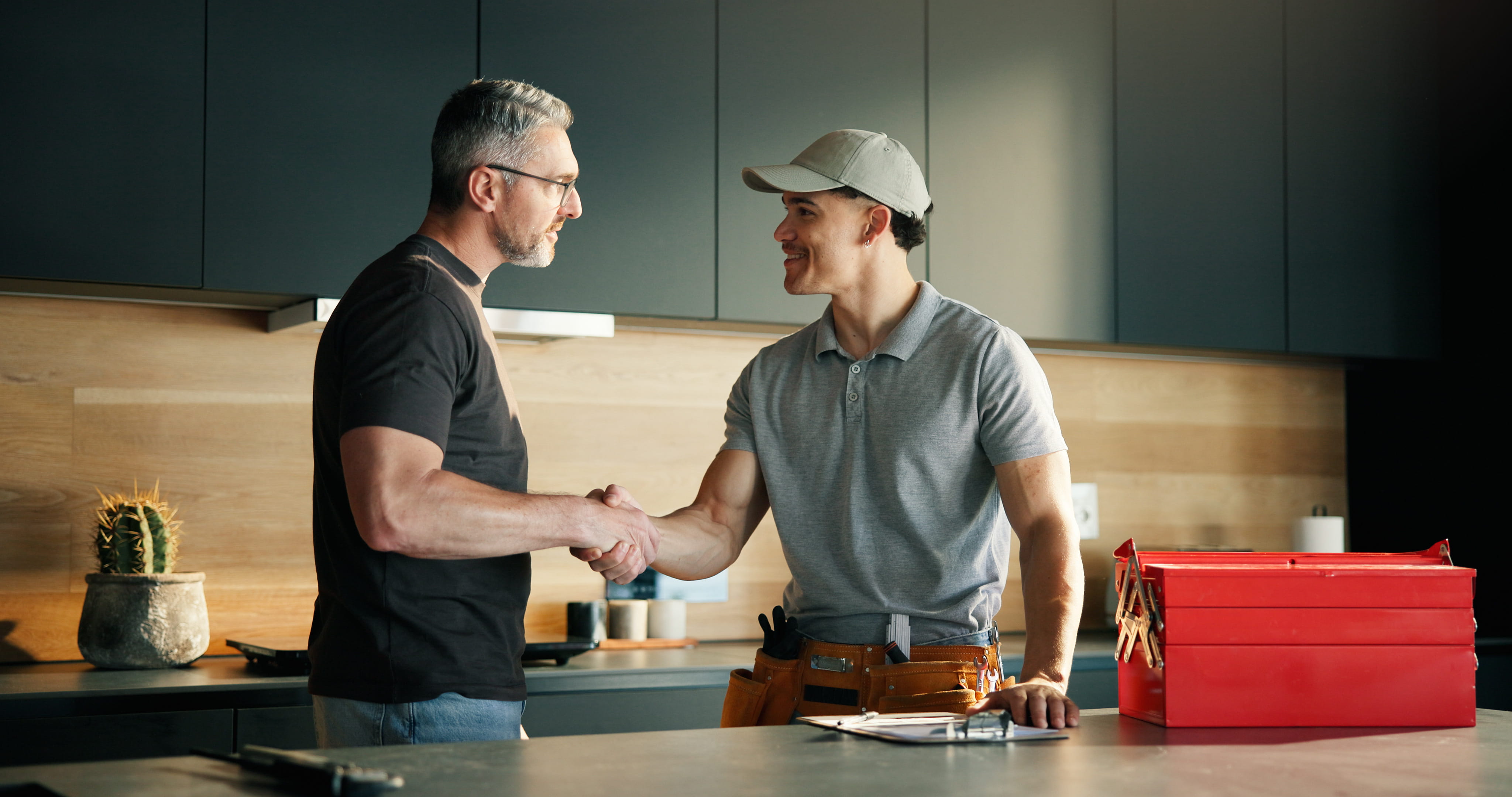
A handyman will be working inside your home, often while you're there and sometimes while you aren't. That makes trust as important as skill. A good one saves you time and keeps your home in good repair. A poor one can leave work unfinished, cause damage, or take advantage of homeowners who don't know what to ask. A few straightforward checks help you find someone dependable.
Start With Clear Expectations
Before you contact anyone, know what you want done. A written list with photos makes it easy to get accurate quotes and shows whether a handyman listens and asks good questions. Vague requests lead to vague quotes, which lead to misunderstandings. A clear list sets the tone for a smooth job.
Ask About Experience With Your Type of Work
Handymen vary in strengths. Some are excellent at carpentry and finish work, others at repairs and installations. Ask about their experience with the specific tasks on your list, and ask to see examples of similar work. A confident professional is happy to explain what they've done and how.
Verify Insurance
Ask for proof of general liability insurance. Insurance protects your property if something is damaged, and it shows that the handyman operates as a real business. If they have employees, ask about workers' compensation coverage as well. A professional will provide this without hesitation.
Understand Licensing Rules in Your Area
Licensing requirements for handyman work vary, often depending on the size or type of the job. A good handyman knows the rules for their area and will explain what they can and cannot do. If a job requires a license, they should say so and refer you to the right professional rather than taking risks.
Check References and Reviews
Past customers can tell you about punctuality, quality, cleanliness, communication, and honesty. Ask for references, and read reviews, paying attention to how the handyman handles complaints. A few negative reviews aren't unusual, but patterns of problems are a warning.
Look at Their Communication Style
Notice how quickly they respond, how clearly they explain, and whether they listen. A handyman who communicates well during the estimate will probably communicate well during the job. Be cautious of anyone who is vague, pushy, or dismissive of your questions.
Get a Written Quote
A written quote should describe the tasks, the pricing method, whether materials are included, and an estimate of time. If the price is hourly, ask for an estimated range and how overages are handled. Written terms prevent disagreements later.
Be Cautious of Large Upfront Payments
A small deposit for materials is reasonable, but be wary of requests for full payment before work begins. Payment should generally follow progress or completion. A professional understands that you want to see the work done properly first.
Ask How They Handle Mistakes
Everyone makes mistakes occasionally. What matters is how a handyman responds. Ask whether they guarantee their work and what happens if something isn't right. A professional stands behind the job and fixes problems promptly.
Ask About Cleanliness and Protection
Repairs create dust and debris, especially drywall and carpentry. Ask how they protect floors and furniture, and how they clean up. A careful handyman uses drop cloths, vacuums, and leaves the space tidy. This reflects overall professionalism.
Check Punctuality and Reliability
Reliability is one of the most valued traits. Ask how scheduling works, how they handle delays, and whether they communicate if they're running late. A dependable handyman respects your time and keeps appointments.
Watch for Red Flags
Be cautious of anyone who demands cash only, avoids written quotes, refuses to show insurance, pressures you to decide immediately, or proposes work far outside normal scope. Extremely low prices can signal shortcuts or hidden costs. Trust your instincts if something feels off.
Consider Safety and Background Practices
Since a handyman will be in your home, many homeowners prefer to hire established businesses with clear identities, employees who are vetted, and a track record. Ask how the company screens its team, especially if multiple workers will be on site.
Start With a Small Job
If you're unsure, begin with a modest list. Observe the quality, communication, and professionalism. If it goes well, you can trust them with bigger tasks and ongoing maintenance.
Think About Long-Term Fit
A handyman you can call regularly is an asset. Consider whether their availability, communication, and style suit you. A good ongoing relationship can save you time and money over years.
Prepare a Short List of Interview Questions
Before you call, write down a few questions: How long have you been doing this? What kinds of jobs do you do most? Are you insured? How do you price? How soon can you start? How do you handle jobs that run long? Asking the same questions of each candidate makes comparison easy, and it shows you who gives clear, confident answers.
Notice How They Present Themselves
A professional looks and acts like a professional. They show up on time, arrive with proper tools, protect your floors, and treat your home with respect. They explain what they're doing and why. These small signals tell you more than a polished advertisement.
Check Their Online Presence
A real business typically has a clear name, a way to contact them, and some record of past work. Look for photos of finished jobs, consistent reviews, and signs that the business has been operating for a while. An empty or inconsistent presence isn't automatically a problem, but it makes references more important.
Ask to See Past Work
Photos of recent jobs similar to yours help you judge finish quality, such as clean paint lines, neat caulking, and tight trim joints. If possible, ask a past customer whether you can see the work. Quality in small details is the hallmark of a good handyman.
Understand the Guarantee
A guarantee should be specific: what it covers, how long it lasts, and what to do if there's a problem. A vague promise of satisfaction is less reliable than a clear policy. Ask for it in writing if it matters to you.
Clarify Scheduling Policies
Ask how appointments are scheduled, how long a typical visit lasts, and how rescheduling works. Understand what happens if the job runs beyond the planned time. Clear scheduling policies reflect a professional who values both your time and theirs.
Compare Two or Three Candidates
Getting a couple of quotes helps you understand pricing and gauge professionalism. Compare not just the price but the clarity of the scope, the communication, and the confidence you feel. The cheapest quote isn't always the best value.
Home Access, Security, and Privacy
If you won't be home during the work, discuss how access will be handled. Ask who will be in your home, how they're vetted, and how keys or codes will be managed. Set clear expectations about areas that are off-limits. Established businesses are used to these conversations.
Pets and Family Considerations
Let the handyman know about pets, children, and any household routines that affect the work. Secure pets, mention fragile items, and agree on where tools and materials can be staged. Good communication prevents accidents and misunderstandings.
Payment Methods and Receipts
Ask how payment is handled and request a receipt or invoice. Itemized invoices help you track maintenance and support warranty claims. Avoid arrangements that leave no paper trail. A professional business provides clear documentation.
Follow Up After the Job
A good handyman checks that you're satisfied and welcomes feedback. If something isn't right, tell them promptly and give them a chance to fix it. Leaving an honest review also helps other homeowners find dependable help.
Ask for Referrals From People You Trust
Neighbors, friends, and local community groups are some of the best sources of recommendations. Ask what they had done, how it turned out, and whether they'd hire the person again. Personal referrals carry weight because the person recommending has their own reputation on the line.
Consider a Trial Job
If you're unsure, start with a small, low-risk list. You'll learn how the handyman communicates, how careful they are with your home, and whether the finished work meets your standards. A good first experience builds trust, and a poor one costs little and tells you what you needed to know.
Compare the Scope Each Person Offers
Handymen differ in what they offer. Some focus on carpentry and repairs, others add painting, light plumbing, and installations. Matching the services to your list ensures one person can complete most of it. Ask for a clear statement of what's included and what they would refer elsewhere.
What a Good Estimate Looks Like
A useful estimate lists each task, the way it will be priced, any materials, and an estimated time. It notes assumptions, such as access or the condition of surfaces, and explains how changes will be handled. It doesn't hide fees or rely on vague phrases. If the document leaves you with questions, ask them before you agree.

Looking for a handyman you can trust in your home? We're insured, we give clear written quotes, we protect your floors and keep the work area clean, and we stand behind what we do. Ask us anything on this list, and we'll answer it plainly. Request your free handyman estimate and see how we work.

Karter & Co


