

How Much Does It Cost to Build a Deck?
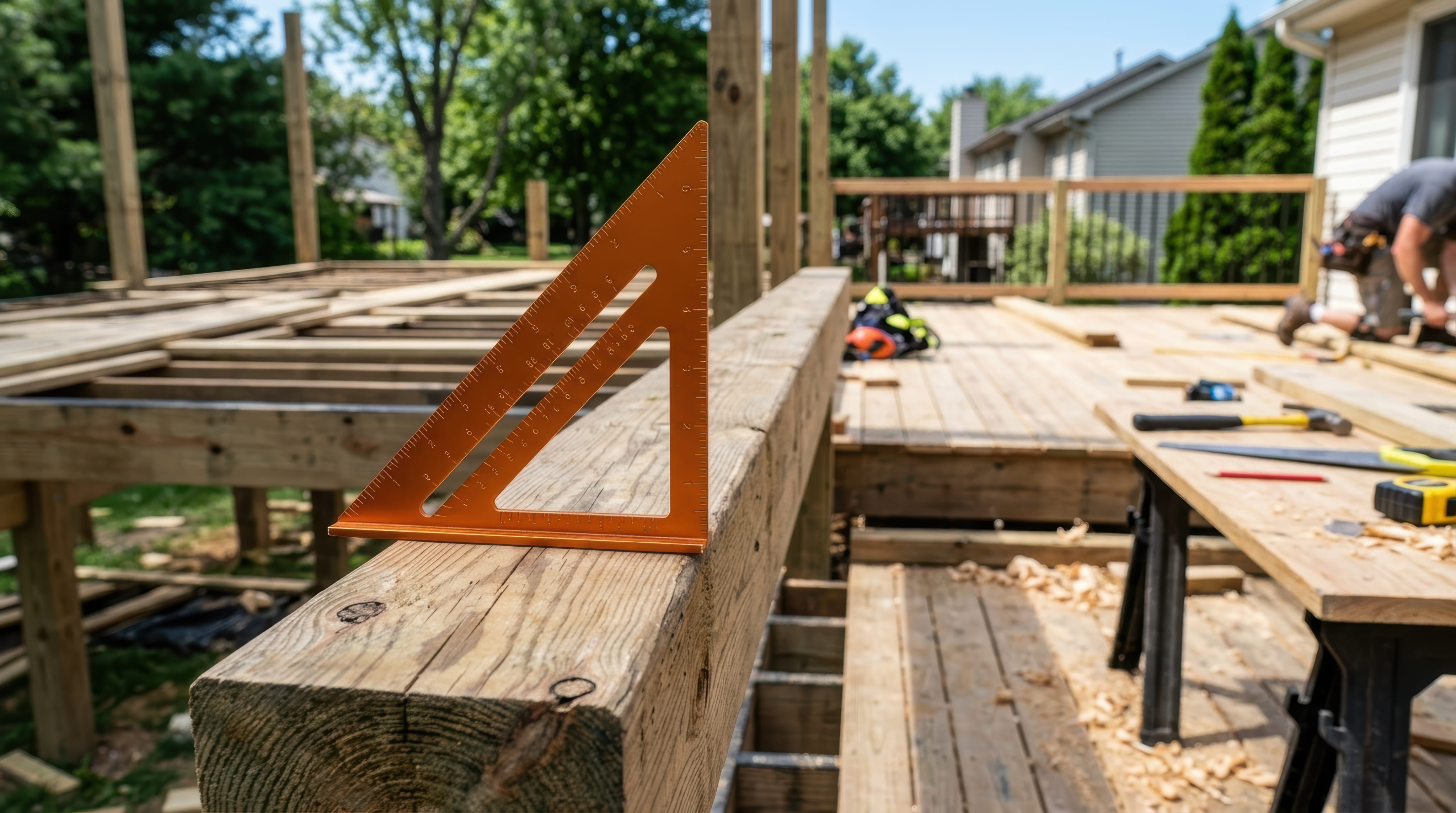
Homeowners searching "deck builders near me" or "how much does a deck cost" usually have the same two questions: what will this realistically run, and why do quotes for what sounds like the same deck vary so much? The honest answer is that deck building cost is shaped by a handful of decisions that compound on each other, and understanding them before you request quotes helps you compare bids fairly and plan a budget that holds up.
Size Is the Starting Point, Not the Whole Story
Square footage is the first number any builder will ask about, because it drives how much framing, decking, and fastening material the project needs. But two decks with identical footprints can differ dramatically in price. A simple rectangular platform close to the ground is a fundamentally different build than a multi-level deck with stairs, built-in seating, and a railing system, even if the total area is the same. Height matters too: the higher the deck sits above grade, the more substantial the posts, footings, and bracing need to be.
Decking Material Is Usually the Biggest Variable
Pressure-treated lumber is the most budget-friendly option and remains popular for good reason. Cedar and other naturally durable woods cost more and are chosen for their appearance. Composite and PVC decking cost the most upfront but reduce maintenance significantly, since they don't need staining or sealing. When comparing quotes, make sure each one specifies the exact decking product, because a quote for pressure-treated boards and a quote for composite are not comparable, even if the rest of the scope looks identical.
Deck Building Cost Factors to Know
- Total square footage and overall shape of the deck
- Height above the ground and the structural support required
- Decking material and the quality tier within that material
- Railing style, since simple wood railings cost far less than cable, glass, or aluminum systems
- Number and complexity of stairs
- Built-in features like benches, planters, or lighting
- Permit fees and any required inspections
- Site conditions, including slope, soil, and access for equipment and materials
Why Footings and Framing Matter More Than They Look
Almost none of the structure that actually carries the deck is visible once it's finished. Footings, posts, beams, and joists are what keep it safe and level for decades, and they're also where corners can be cut without the homeowner ever noticing. A quote that seems surprisingly low is often low because of lighter framing, wider joist spacing, or fewer footings than the design genuinely calls for. Ask what size footings are planned, how deep they go, and how the framing will be connected.
Railings and Stairs Add Up Quickly
Railings are one of the most underestimated line items in a deck budget. On a deck with significant perimeter, the railing can account for a meaningful share of the total cost, particularly if you choose a premium system. Stairs are similar: each step adds framing, treads, and sometimes additional railing. If your budget is tight, simplifying the railing style or reducing the number of stair runs is often an easy place to find savings without compromising structure.
Permits and Inspections Are Part of the Real Cost
Most decks above a certain height, or any deck attached to the house, require a permit, and many jurisdictions require inspections at specific stages. A reputable builder accounts for this in the quote and handles the process. If a contractor suggests skipping permits to save money, that's a red flag. Unpermitted work can create problems when you sell, affect insurance coverage, and in some cases require tearing out finished work to pass inspection later.
How Site Conditions Change the Price
A flat, accessible backyard is the easy version of this project. Sloped lots need taller or stepped support structures. Poor soil can call for deeper or wider footings. Limited access, such as a narrow side yard that prevents bringing in equipment, adds labor because materials have to be carried by hand. Mentioning these conditions early helps a builder quote accurately instead of adjusting after work begins.
Removing an Old Deck Adds a Line Item
If you're replacing an existing deck, demolition and disposal are usually separate from the new build. Sometimes the existing footings and framing can be reused if they're sound, which can reduce cost, but only after a builder inspects them. Reusing questionable framing to save money is a false economy.
Comparing Quotes Fairly
When you gather quotes, ask each builder to specify the material brand and grade, footing and framing details, railing system, fastener type, permit handling, and what's included for cleanup. Two quotes with the same bottom line can represent very different decks, and two quotes with different bottom lines can sometimes be closer in value than they appear once the scopes are laid side by side.
Planning for Long-Term Cost, Not Just Upfront Cost
A deck is an investment you'll live with for many years, so maintenance belongs in the budget conversation. Wood decks need periodic cleaning and sealing or staining. Composite decks cost more at installation but require far less ongoing work. Neither choice is universally better; the right one depends on how much you'd rather spend now versus over time.
Building in a Reasonable Contingency
Even a well-planned project can uncover surprises, such as soft soil at a footing location or a hidden issue where the deck attaches to the house. Setting aside a modest contingency gives the project room to handle these without derailing your budget.

CTA: Wondering what your deck would actually cost? The answer depends on size, materials, and site conditions we can only judge in person. Our team will walk your yard, talk through your options, and provide a clear, itemized quote. Request your free deck building estimate today.

Karter & Co


