

How Much Does Flooring Installation Cost?
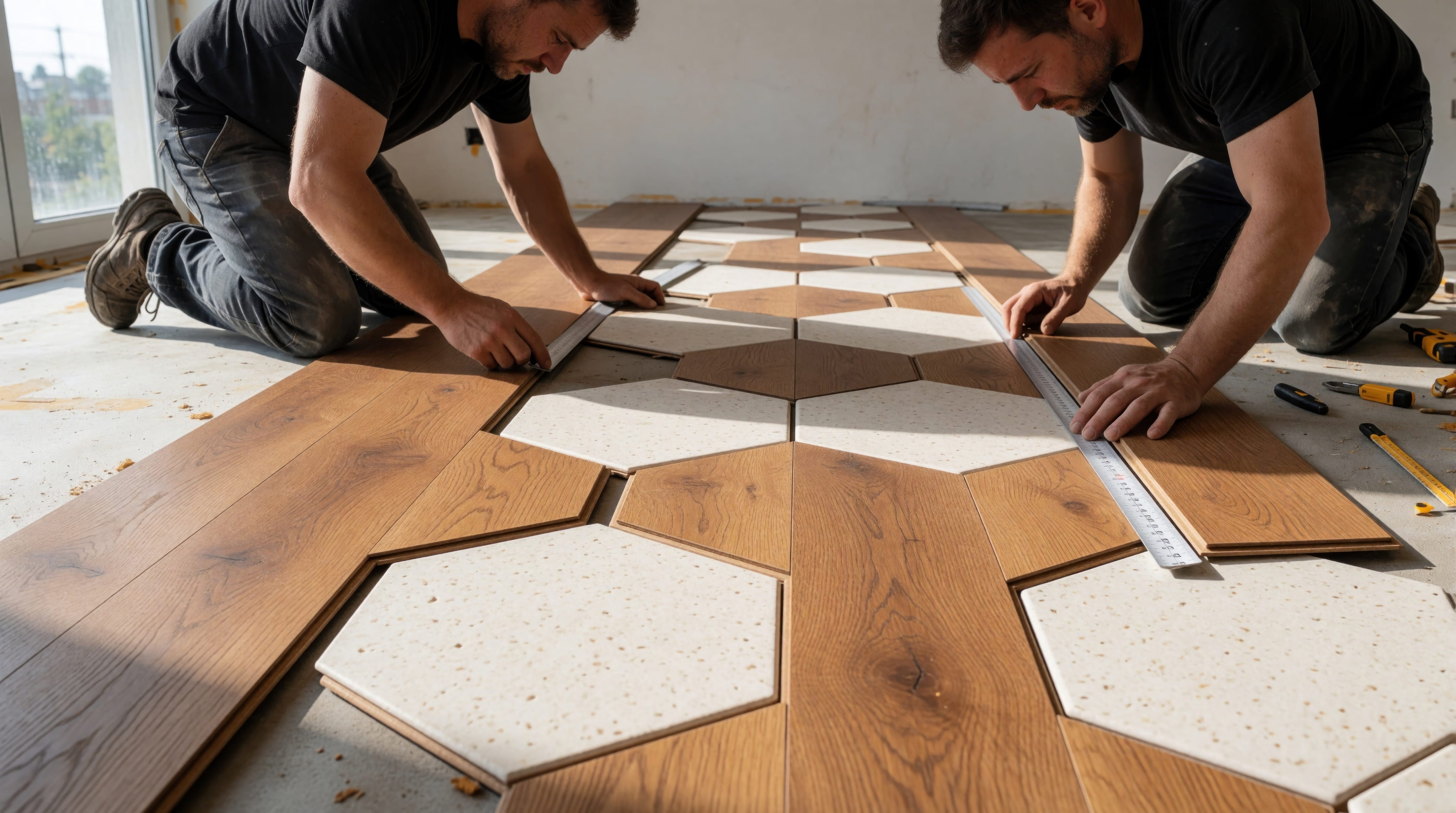
Homeowners searching "flooring installation cost" or "new floors near me" usually want one number, and the honest answer is that no single number exists. Flooring is priced by the square foot, but the price per square foot is shaped by the material you choose, the condition of what's underneath, how complicated your layout is, and how much work happens before the first plank goes down. Understanding those pieces lets you read a quote critically, compare bids fairly, and avoid the surprise charges that catch many homeowners off guard.
Why Square Footage Is Only the Starting Point
Every flooring quote begins with measurement. A flat, open rectangle of floor is the easiest and least expensive layout to install. Rooms with many corners, angled walls, closets, built-ins, stairs, and transitions cost more per square foot because each cut takes time and creates waste. Two homes with identical square footage can receive very different quotes simply because one has a simple open plan and the other has many small rooms. Measuring accurately, and allowing extra material for waste, is the foundation of a realistic budget.
Material Is Usually the Biggest Variable
Carpet and sheet vinyl tend to sit at the lower end of the cost range. Laminate and luxury vinyl plank are mid-range and popular for their durability and value. Engineered hardwood and tile cost more, and solid hardwood, natural stone, and specialty products sit at the upper end. Within each category there are good, better, and best tiers, so a quote for "hardwood" can vary widely depending on species, thickness, grade, and finish. Always ask for the specific product name and grade so you can compare like with like.
Flooring Cost Factors to Know
- The type and quality tier of the flooring material
- Total square footage and the complexity of the room layouts
- Removal and disposal of existing flooring
- Condition of the subfloor and any leveling or repair needed
- Underlayment, moisture barriers, and adhesives
- Transitions, thresholds, and trim such as baseboards and quarter round
- Stairs, which are priced separately and cost more per step than open floor
- Moving and reinstalling furniture, if the contractor offers that service
Removal and Disposal Are Easy to Overlook
Tearing out old flooring takes real labor, and the cost depends on what's being removed. Carpet comes up quickly, while glued-down hardwood, tile set in mortar, or multiple layers of old flooring take much longer. Disposal fees add to the total. Some quotes bundle removal in, while others list it separately, so confirm what is included before comparing totals.
The Subfloor Decides How Smooth the Job Goes
A new floor is only as good as the surface beneath it. Subfloors that are uneven, damaged, damp, or squeaky must be repaired or leveled before installation, or the new floor will show every flaw. Leveling compound, plywood patches, and moisture mitigation add cost, but skipping them leads to gaps, squeaks, buckling, and premature wear. A good contractor inspects the subfloor before quoting and tells you honestly what it needs.
Moisture Testing Protects Your Investment
Concrete slabs and basements can release moisture that damages wood and some other flooring types. Testing for moisture before installation is routine for careful contractors, and it determines whether a vapor barrier or a different product is required. This step costs little compared with replacing a floor that has cupped or failed. If a contractor doesn't mention moisture on a slab installation, ask about it.
Underlayment and Accessories Add Up
Underlayment provides cushioning, sound reduction, and moisture protection, and many floating floors require it. Adhesives, fasteners, transition strips, stair nosing, and trim all appear as line items. These pieces are small individually but significant in total. They also affect how finished the floor looks, so quality here matters as much as the flooring itself.
Labor Costs Vary by Installation Method
Floating floors that click together are generally faster to install than nail-down or glue-down floors. Tile and natural stone require precise layout, mortar, grout, and cure time, so labor is higher. Hardwood that must be nailed, sanded, and finished on site involves multiple steps. The method your floor requires influences labor more than most homeowners expect.
Stairs Are Priced Differently
Each stair tread and riser must be cut and fitted individually, and stair nosing adds detail. Because of this, stairs often cost much more per square foot than open floor. If your project includes stairs, ask for a separate line item so you can see how it affects the total.
Furniture, Appliances, and Access
Moving heavy furniture and appliances takes time. Some contractors include basic moving, while others expect you to clear rooms. Access also matters: a third-floor installation with no elevator, or a home with narrow doorways, can increase labor. Mention these conditions during the estimate so the quote reflects reality.
Why Quotes Can Differ So Much
Two bids for the same job can differ because of assumptions about material quality, subfloor condition, removal, and finishing details. A low bid may exclude removal, leveling, trim, or transitions that a higher bid includes. Ask each contractor to list what's included and what isn't, in writing, so you can compare the real scope rather than the headline number.
Ways to Control the Budget
Choose a material that fits the use of each room rather than the most expensive option everywhere. Moisture-resistant luxury vinyl in kitchens and baths, durable laminate or vinyl in busy areas, and a premium surface in showcase rooms can balance cost and performance. Reusing existing baseboards where possible, bundling rooms into one project, and scheduling during slower seasons can also help.
Hidden Costs to Plan For
Discoveries during demolition, such as water damage, rotted subfloor, or old adhesive that is hard to remove, can change the scope. Setting aside a modest contingency prevents these from derailing your budget. A transparent contractor explains the possibility before work begins rather than surprising you later.
Think in Terms of Lifetime Cost
A cheaper floor that wears out in a few years may cost more over time than a durable one that lasts for decades. Consider maintenance, refinishing, and replacement cycles when comparing options. Hardwood can be refinished multiple times, while some products must be replaced when worn. The right choice depends on how long you plan to stay and how the floor will be used.
Getting an Accurate Estimate
A reliable quote comes from an in-person visit where the contractor measures, inspects the subfloor, looks at transitions and stairs, and discusses your goals. Phone or online estimates can provide a rough range but rarely capture the details that change the price. Be wary of a quote delivered without seeing the space.
Questions to Ask Before You Sign
What exact product is being installed? Is removal included? What will happen if the subfloor needs repair? Are transitions, trim, and underlayment included? How long will the work take? What warranty covers the installation? Clear answers reveal how thorough and transparent a contractor is.
Reading a Quote Line by Line
When quotes arrive, resist the urge to jump straight to the total. Read each line and make sure you understand it. Material should name the brand, line, color, thickness, and grade. Labor should specify the installation method. Removal, disposal, subfloor repair, underlayment, transitions, and trim should each appear separately or be clearly stated as included. If something you expect is missing, ask about it before signing, because an omission now often becomes a change order later.
Timing and Scheduling Can Influence Price
Flooring contractors are often busiest in spring and early summer and before the holidays. Scheduling during a slower period can sometimes mean more flexible dates and occasionally better pricing. Ordering material early also helps, since popular products can have lead times and prices can change. If your project has a deadline, such as a move-in date or a family gathering, tell the contractor early so the schedule can be planned around it.
Payment Schedules and Deposits
A deposit to order material and reserve a start date is normal. The balance is typically tied to progress or completion. Be cautious about any request for full payment upfront. A clear payment schedule in writing protects both sides, and it shows that the contractor runs an organized business. Ask what happens if you add rooms or change materials mid-project, because those changes affect cost and timeline.
Why a Written Contract Protects You
A good contract describes the scope of work, the exact materials, the price, the payment terms, the expected timeline, and the warranty. It also explains how unexpected conditions, such as damaged subfloor, will be handled and priced. Having these details in writing prevents misunderstandings and gives you something concrete to refer to if questions arise. If a contractor is reluctant to put things in writing, treat that as a warning sign.
Planning a Realistic Overall Budget
Add a cushion of ten to fifteen percent beyond the quote for surprises and small extras, such as extra trim, a transition you decide to upgrade, or a subfloor repair that wasn't visible at the start. Budgeting for the full project, rather than only the material, keeps you from stretching your finances when real costs appear. A realistic plan makes the whole experience calmer.

Want a flooring price you can actually trust? Cost depends on materials, subfloor condition, room layout, and finishing details that can only be judged in person. Our team will walk your home, measure every room carefully, inspect what's underneath, and give you a clear, itemized quote that spells out exactly what's included, with no vague exclusions or surprise add-ons later. Request your free flooring estimate today and see exactly what your project involves.

Karter & Co


