

Hardwood, Vinyl, Laminate, Tile, or Carpet: Which Flooring Is Best?
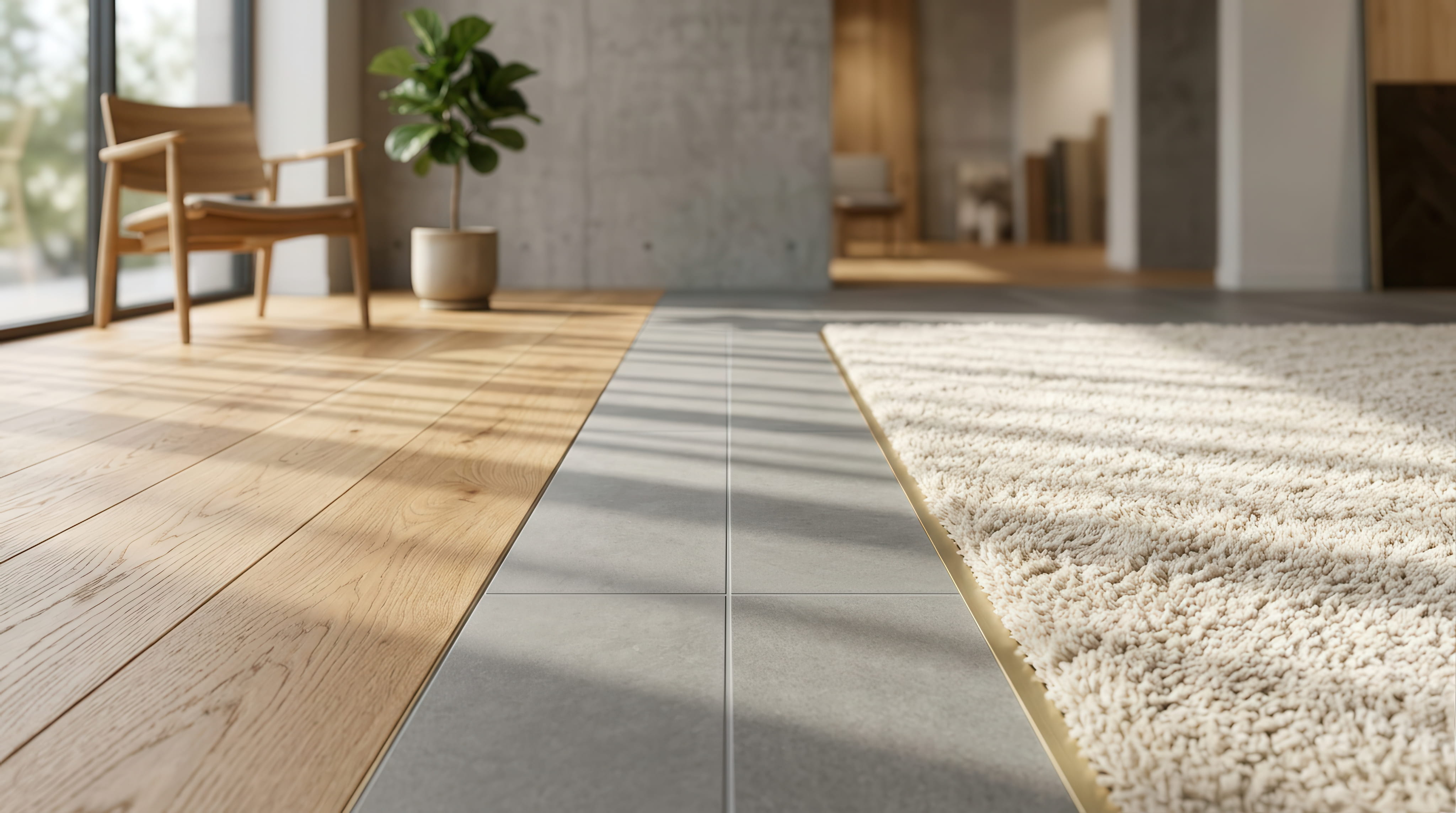
Choosing flooring is one of the biggest decisions in a home project, because floors cover more surface than almost anything else, take constant wear, and shape the look of every room. With so many options, it's easy to get overwhelmed. The best approach is to stop asking which floor is best overall and start asking which floor is best for each specific room, given how it's used, how much moisture it sees, and what you want it to look and feel like.
Start With How the Room Is Used
A bedroom and a mudroom ask completely different things of a floor. Bedrooms prioritize comfort and quiet, while mudrooms and kitchens need durability and water resistance. Think about foot traffic, pets, children, spills, and sunlight before looking at samples. A floor that looks beautiful in a showroom can disappoint if it doesn't suit how the room is actually lived in.
Solid Hardwood
Solid hardwood is a classic that adds warmth, character, and lasting appeal. It can be sanded and refinished several times, which means a well-cared-for hardwood floor can last for generations. Its drawbacks are cost, sensitivity to moisture and humidity changes, and susceptibility to scratches and dents. It's best suited to living areas, bedrooms, and dining rooms rather than damp spaces like bathrooms or basements.
Engineered Hardwood
Engineered hardwood has a real wood surface layer over a stable plywood or composite core. This construction resists movement from humidity better than solid wood, and it can often be installed in more locations, including over concrete slabs. Thicker wear layers can be refinished, while thin ones cannot. It offers the look of hardwood with improved stability, usually at a somewhat lower cost than solid.
Luxury Vinyl Plank and Tile
Luxury vinyl, often called LVP or LVT, has become one of the most popular choices because it combines realistic wood or stone looks with excellent water resistance and durability. Quality products resist scratches, handle spills, and are comfortable underfoot. They work well in kitchens, bathrooms, basements, and busy family spaces. Quality varies widely, so thickness, wear layer, and core construction matter.
Laminate
Laminate consists of a photographic layer over a fiberboard core, topped with a protective coating. It's affordable, scratch resistant, and easy to install. Older laminate was vulnerable to water, but newer water-resistant lines perform better. It can feel less natural underfoot than wood or vinyl and can't be refinished, but it offers good value for budget-conscious projects.
Ceramic and Porcelain Tile
Tile is extremely durable, water resistant, and available in countless styles. It's a natural choice for bathrooms, kitchens, entryways, and laundry rooms. Porcelain is denser and more moisture resistant than standard ceramic. Downsides include a hard, cold surface, grout that requires cleaning and sealing, and a more labor-intensive installation. Tile can crack if the subfloor flexes or something heavy is dropped.
Natural Stone
Marble, travertine, slate, and granite offer unmatched beauty and character, but they require more care. Many stones are porous and need sealing, and some stain or etch easily. Costs are higher, and installation demands skill. For homeowners who value natural materials and are willing to maintain them, stone can be spectacular.
Carpet
Carpet remains unmatched for softness, warmth, and sound absorption, which makes it popular in bedrooms and family rooms. It's relatively affordable and comfortable underfoot. It traps dust and allergens, stains more readily, and wears faster in high-traffic areas. Quality and fiber type make a major difference in durability and appearance.
Sheet Vinyl
Sheet vinyl comes in large rolls, creating a seamless, waterproof surface that's economical and practical for laundry rooms, bathrooms, and utility spaces. Modern designs look much better than older ones, though it can be damaged by sharp objects and doesn't add the same value as other materials.
Cork and Bamboo
Cork is soft, warm, and sound absorbing, and it has natural resilience. Bamboo is a fast-growing renewable material that offers a distinctive look and good hardness depending on the product. Both have specific care needs and may be less common but appeal to homeowners who prefer natural or eco-friendly choices.
Comparing Cost
Carpet, sheet vinyl, and laminate are generally the most economical. Luxury vinyl and engineered hardwood occupy the middle. Tile varies widely, and solid hardwood and natural stone are typically at the top. Installation cost matters too, because labor-intensive materials add more to the total than the price on the box suggests.
Comparing Durability and Maintenance
Tile and quality luxury vinyl handle heavy use and moisture well. Hardwood is durable but needs care and can be refinished. Laminate resists scratches but not deep water damage. Carpet requires regular vacuuming and eventual replacement. Match the maintenance level to your lifestyle rather than choosing based on looks alone.
Moisture Resistance by Room
Bathrooms, laundry rooms, and basements demand moisture-resistant materials such as tile, luxury vinyl, or sheet vinyl. Kitchens benefit from the same. Living areas and bedrooms can use a broader range, including hardwood and carpet. Using the wrong material in a wet area is one of the most common causes of premature failure.
Comfort, Sound, and Warmth
Carpet and cork are quiet and warm. Hardwood and laminate can feel hard and amplify noise without rugs or underlayment. Tile and stone feel cold unless heated. If sound travels between floors, consider materials and underlayments that reduce noise.
Consider Flow Between Rooms
Using a consistent flooring throughout open areas creates a clean, spacious look, while changing materials between rooms requires thoughtful transitions. You can still vary materials by function, but planning how floors meet at doorways keeps the home feeling cohesive.
Mixing Materials for Value
Many homeowners use durable, water-resistant flooring in wet and high-traffic areas and a premium surface in showpiece rooms. This approach controls cost while delivering the right performance where it matters most.
See Real Samples in Your Lighting
Colors and textures look different at home than in a store. Bring large samples into the room, view them in morning and evening light, and place them next to your cabinets, walls, and furniture before deciding.
Bathrooms and Laundry Rooms
These rooms see more water than any others, so moisture resistance is non-negotiable. Porcelain tile and luxury vinyl are the most reliable choices, with sheet vinyl as an economical option. Avoid solid hardwood and basic laminate in these areas. Pay attention to slip resistance, especially around tubs and showers, and consider how grout lines or seams will be cleaned. A floor that resists water but traps grime in deep textures can become a chore.
Kitchens
Kitchens combine heavy foot traffic, spills, dropped items, and standing time, so comfort and durability both matter. Luxury vinyl, tile, and sealed hardwood or engineered wood are common choices. Tile is nearly indestructible but hard on feet and dropped dishes. Vinyl is forgiving and quiet. Hardwood can be beautiful in a kitchen when sealed and maintained, but spills must be wiped promptly. Consider what lies beneath appliances and cabinets, because changing floors later is harder after cabinets are installed.
Basements
Basements can have moisture and temperature swings that challenge many materials. Luxury vinyl, tile, and engineered products designed for below-grade use perform well. Solid hardwood is generally not recommended. Moisture testing and a proper vapor barrier are essential. Because basement floors are often concrete, flatness and dryness determine success more than the product itself.
Stairs and Hallways
Stairs take concentrated wear, and safety matters, so choose materials with good traction and durability. Hardwood treads, carpet runners, and certain vinyl stair products are common. Hallways see constant traffic, so scratch resistance and ease of cleaning are valuable. Because stairs are installed tread by tread, they cost more and demand skilled work.
Allergies and Indoor Air Quality
Hard surfaces are generally easier to keep free of dust, pet dander, and allergens than carpet, which can trap particles deep in fibers. If someone in the home has allergies or asthma, hard flooring with washable rugs can be easier to manage. Also consider low-emission products, since some materials and adhesives release fumes during and after installation. Ask for products with low-VOC certifications if air quality is a concern.
Radiant Heat and Special Conditions
If you have radiant heating, not every material is compatible, and temperature limits and installation methods matter. Tile and many engineered products work well with radiant systems, while thick carpet and some solid woods may not. Always confirm compatibility with the manufacturer and your installer before purchasing.
Style Trends and Long-Term Appeal
Trends come and go, but timeless choices tend to age well. Neutral tones, natural wood looks, and classic tile patterns hold appeal for years. Very bold colors or highly trendy patterns can feel dated sooner. If you plan to sell in the near future, choose flooring that appeals broadly. If this is your forever home, prioritize what you love and will enjoy for years.

Not sure which floor fits each room of your home? We'll look at how you live, check moisture and subfloor conditions, and show you real samples in your own lighting before you decide anything. Our team will compare cost, durability, and maintenance honestly across your options, so you choose a floor you'll still love years from now. Get your free flooring estimate and choose with confidence.

Karter & Co


