

Hardwood Decking: Ipe, Tigerwood, and Other Premium Options
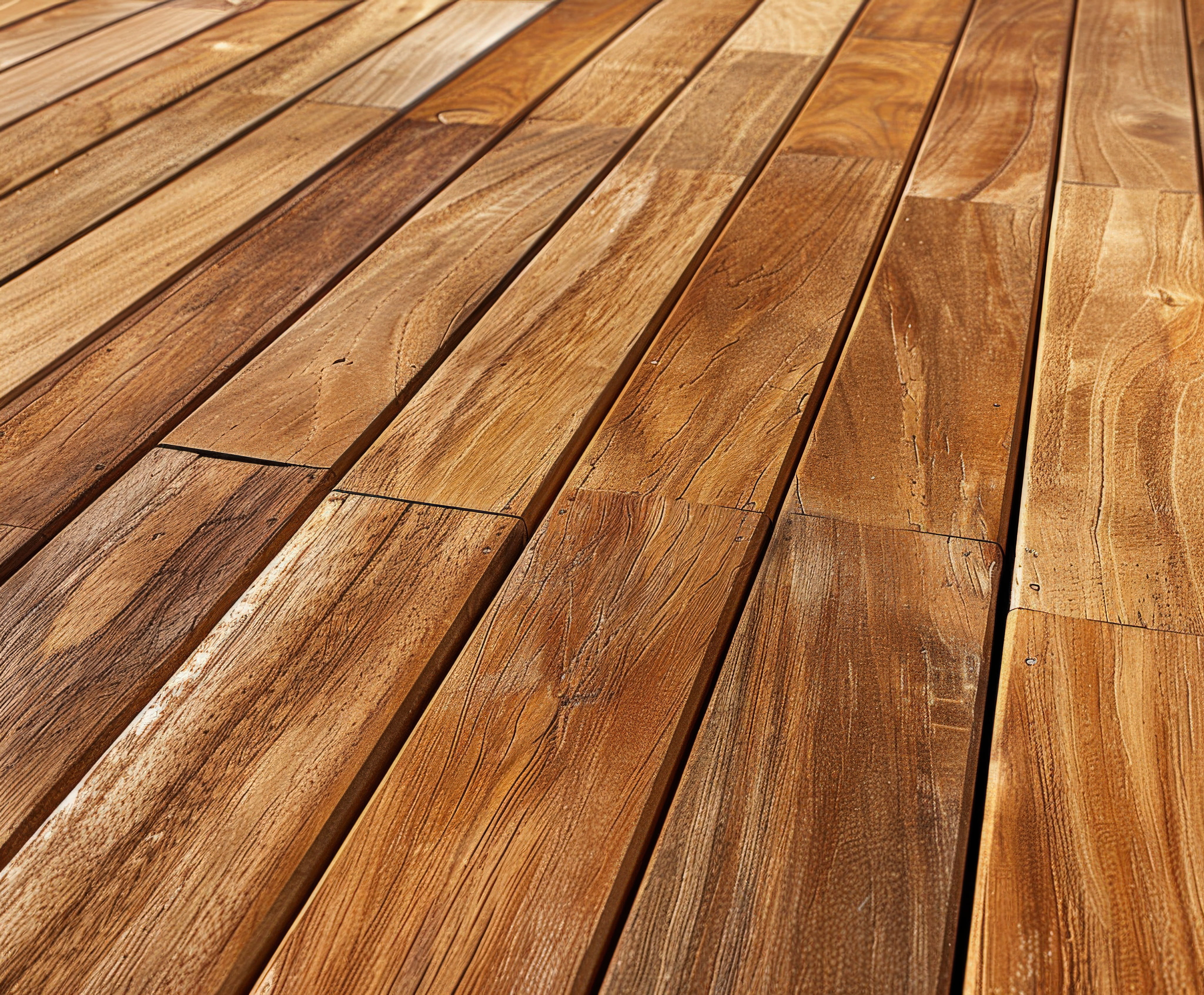
At the top of the decking market sit dense tropical hardwoods such as ipe, tigerwood, cumaru, and similar species. They are prized for their strength, rich color, and remarkable durability, and they can last for decades. They also cost more, weigh more, and demand more skill to install than most other materials. For homeowners who want a deck with the look and longevity of fine wood, hardwood can be an impressive choice, but it pays to understand the tradeoffs before committing.
What Makes Hardwood Decking Different
These woods grow slowly in dense tropical forests, which gives them extremely tight grain and high natural oil content. That density makes them very hard, very heavy, and highly resistant to rot, insects, and wear. Compared with softwoods like pine and cedar, they are in a different class for toughness.
Ipe
Ipe is the best-known hardwood decking species. It's extremely dense and durable, with a deep brown color and fine grain. Ipe decks are known for lasting many years with proper care, and it's often chosen for high-end residential and commercial projects. It's also one of the more expensive options and one of the hardest to work with.
Other Hardwood Species
Tigerwood has a striking color pattern with dark streaks. Cumaru offers a warm, golden-brown look and good durability. Other species include garapa, massaranduba, and more. Each has its own color, density, and cost, and availability varies. Looking at samples and finished decks helps you choose.
Durability and Lifespan
Hardwoods have exceptional natural resistance to decay and insects, and a well-built hardwood deck can last for decades. Their density makes them resist dents and scratches better than softwoods. Even so, they're not maintenance-free, and the framing beneath still needs to be sound.
Hardness and Wear Resistance
Dense hardwood stands up well to heavy foot traffic, furniture, and active households. It resists dents from dropped objects and wear from chairs. This makes it attractive for decks that will see heavy use, and for owners who want a surface that holds its character over many years.
Fire Resistance
Many dense hardwoods have high fire ratings compared with softer woods, which can matter in regions at risk of wildfire or where building rules favor fire-resistant materials. If fire resistance is a concern, ask for the specific rating of the species and finish you're considering.
Cost Considerations
Hardwood decking generally costs significantly more than treated lumber, cedar, and many composites. Installation also costs more because the material is hard to cut and fasten. Consider the lifespan and long-term value when comparing, and remember that high upfront cost may be offset by durability.
Installation Challenges
Because the wood is so dense, installers must pre-drill holes for screws, use sharp carbide-tipped blades and drill bits, and take care to avoid splitting. Tools wear faster and work goes slower. Hidden fastener systems made for hardwood can provide a clean look. Choosing an experienced installer is essential.
Fasteners and Hardware
Stainless steel fasteners are generally recommended for hardwood to resist corrosion and avoid staining. Using standard screws can lead to breakage and rust. Specialized stainless screws and clip systems designed for dense woods give the best results.
Weight and Framing
Hardwood boards are heavy, which affects handling and the structure beneath. Framing must be sized and spaced properly, and builders should plan for the extra weight. Because boards are dense and can be stiff, spacing and fastening details matter for avoiding cracks and movement.
Finishing and Color Retention
Left unfinished, hardwood weathers to a silvery gray. To maintain the rich color, apply a penetrating oil or UV-protective finish regularly. Oils feed the wood, but they must be applied to clean, dry boards, and the frequency depends on exposure. Some owners embrace the gray patina for its low maintenance.
Cleaning and Maintenance
Regular sweeping and washing with a gentle cleaner keep surface dirt and mildew away. Because the wood is oily, finishes can be tricky to apply to new boards, and they may need time to weather before accepting a finish. Follow product guidance and test in a small area.
Splinters and Safety
Hardwoods can produce sharp splinters when cut or damaged, and the dust can irritate skin and lungs. Installers should wear protection. Once installed, quality boards with smooth, eased edges are comfortable and safe for barefoot use.
Sourcing and Sustainability
Many tropical hardwoods are harvested from forests where practices vary. Look for certification from reputable forestry programs and ask suppliers about sourcing. Responsible sourcing supports forest health and ensures a legal supply chain.
Appearance and Grain
Hardwood decking has rich color and tight grain that many consider unmatched. Color varies from board to board, which adds natural depth. A hardwood deck often looks refined and high-end, particularly when paired with quality railings and details.
Comparing Hardwood to Composite
Composite offers consistent color and very low maintenance but doesn't have the natural character of real wood. Hardwood offers authentic beauty and exceptional durability but requires more care and a higher budget. Which is better depends on your values and use.
Comparing Hardwood to Cedar
Cedar is lighter, softer, and less expensive, with a pleasant aroma and warm color. Hardwood is much harder, heavier, and longer lasting, but costs more. If you want a premium look and high durability, hardwood can justify its price. If you prefer a softer feel and lower cost, cedar may be enough.
Resale and Perceived Value
A well-built hardwood deck can be a standout feature, and buyers often notice the quality. Its long lifespan means a buyer inherits a deck with many years of life left. The impact on resale depends on the market and the quality of overall construction.
Questions to Ask Before Choosing
Which species are you recommending, and why? How will the boards be fastened? What finish do you suggest? How do you handle the extra weight and hardness? Can I see a deck you built with this material? Good builders welcome these questions.
Pre-Drilling and Fastening in Detail
Every screw hole in dense hardwood should be pre-drilled, and countersunk if you're using face screws. Without it, screws can snap or boards can split. Hidden fastener systems made for hardwood require precise grooves and consistent spacing, which means careful machining and layout. Take the time to do it right, because mistakes are hard to correct.
Comparing Common Hardwood Species
Ipe is typically the hardest and darkest, with exceptional durability. Cumaru is slightly lighter and a bit easier to work with, with a golden-brown tone. Tigerwood shows dramatic streaks and can vary widely. Garapa is lighter and more yellow. Differences in color, density, and cost make it worth seeing real samples before choosing.
Oils Versus Sealers
Penetrating oils feed the wood and enhance color without forming a surface film that can peel. Film-forming finishes can crack and require sanding to renew. Many hardwood owners prefer oils for easier maintenance. Whatever you choose, apply to clean, dry wood and follow the manufacturer's instructions.
Sealing End Grain and Cut Ends
Cutting dense hardwood exposes end grain that can dry too quickly and check. Sealing cut ends with a wax-based or end-grain sealer reduces cracking. Consistent sealing at installation prevents small problems from becoming visible later.
Board Thickness, Joist Spacing, and Support
Hardwood decking is often thinner than other types of decking, but it's dense and strong. Joist spacing should follow supplier recommendations, and boards should be fully supported along their length. Using too wide a spacing can cause bounce or cracking. Your builder should plan the framing around the chosen board.
Hardwood Railings, Stairs, and Trim
Hardwood can also be used for railings, stairs, and fascia for a unified look. These parts see heavy contact, so durability is valuable. Because machining is demanding, using hardwood for stairs and railings requires skilled carpentry. Matching the species and finish across the whole deck gives a cohesive appearance.
Seasonal and Winter Care
Dense hardwood handles weather well, but it still benefits from seasonal checks. Sweep debris, wash away dirt and salt, and look for loose fasteners. In winter, avoid harsh chemical de-icers that could damage the finish. Gentle care keeps the surface looking its best.
Choosing an Installer
Hardwood decking is a specialty. Ask potential builders how many hardwood decks they have installed, what tools they use, and how they handle fastening and finishing. Visit past projects if you can. An installer with real experience will deliver a better result and avoid costly errors.
Ongoing Cost of Hardwood Ownership
Beyond the initial price, factor in the cost of periodic oiling or sealing, cleaning, and occasional board replacement. For many owners, the maintenance cost is modest compared with the deck's lifespan, but it's worth planning for. Asking a builder to show a long-term cost estimate helps you compare hardwood with other materials fairly.
Handling Color Variation
Natural hardwood varies from board to board, with streaks, swirls, and shifts in tone. Many people love this variation, and installers can blend boards for a balanced look. If you prefer a more uniform appearance, tell your builder, and ask to see the stock before installation begins.

Dreaming of a hardwood deck? We'll walk you through the species, show you real samples, explain what installation and finishing involve, and price the project honestly so you know exactly what premium wood will cost. You'll understand both the beauty and the upkeep before you decide. Get your free deck building estimate and see what's possible.

Karter & Co


