

Handyman or Licensed Contractor? How to Know Who to Call
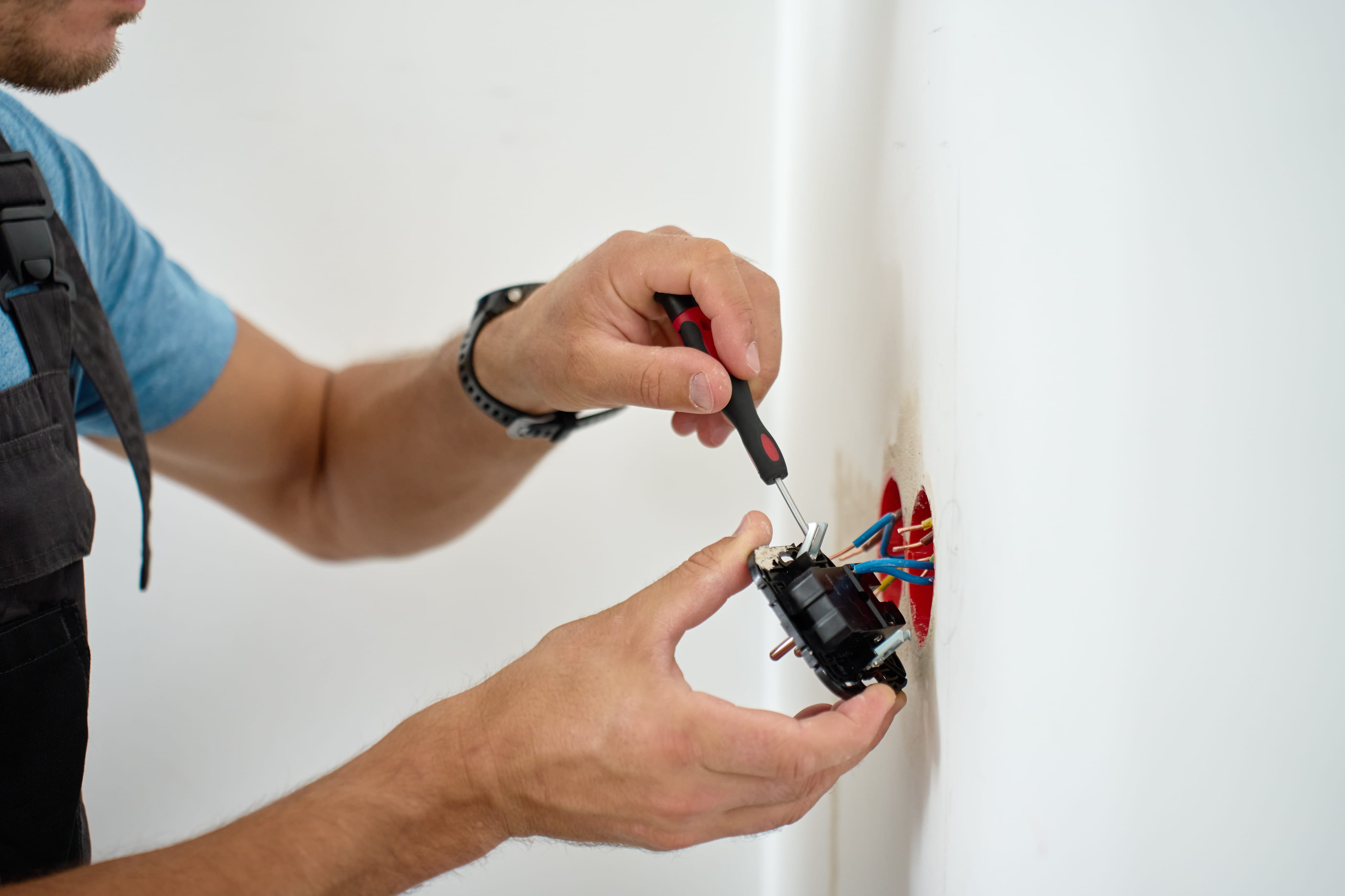
One of the most common questions homeowners face is who to call. A handyman is usually the more convenient and affordable choice for small jobs, but some work genuinely requires a licensed specialist, a permit, or both. Calling the wrong person can waste money, create safety risks, or cause problems when you sell the home. Understanding the difference helps you match the job to the right professional.
What a Handyman Is Best At
Handymen excel at small, varied, and often cosmetic jobs: patching drywall, adjusting doors, repairing trim, installing fixtures and hardware, mounting shelves and televisions, caulking, assembling furniture, and touching up paint. They bring broad skills and efficiency, and they can complete many tasks in a single visit. For routine maintenance and minor repairs, a handyman is often the best value.
What Specialists Are Best At
Licensed plumbers, electricians, HVAC technicians, roofers, and other trade specialists have deeper training, specialized tools, and legal authority for regulated work. They handle systems that can cause serious harm or damage if done wrong. Specialists are the right choice when the job involves safety-critical systems, building codes, permits, or complex diagnosis.
Why Some Work Is Regulated
Electrical, plumbing, gas, structural, and roofing work can create fire, flood, carbon monoxide, structural failure, or injury if done improperly. Regulations exist to protect occupants and neighbors, and they often require licensed professionals and permits. Rules vary by location, so it's worth asking what applies where you live. A responsible handyman will tell you honestly when a job crosses that line.
Jobs That Usually Fit a Handyman
Typical handyman jobs include replacing a faucet or toilet parts, installing a ceiling fan or light fixture in place of an existing one, replacing outlets and switches where permitted, patching drywall, repairing doors and trim, caulking, weatherstripping, mounting televisions and shelves, assembling furniture, and basic exterior repairs like fence boards and gate adjustments.
Jobs That Usually Need a Licensed Specialist
Running new circuits, upgrading or repairing an electrical panel, moving or adding plumbing lines, repairing or replacing water heaters, gas appliance work, HVAC system repair or installation, roof repair or replacement, structural changes, and foundation repair generally require licensed professionals. These jobs involve risk, permits, and inspections.
The Gray Areas
Some jobs fall in between. Replacing a like-for-like light fixture may be fine for a handyman, but adding a new fixture location involves new wiring. Replacing a faucet is routine, but moving plumbing lines is not. Installing a garbage disposal may be within scope, while altering drain configurations may not. When in doubt, ask how the professional handles the job and whether permits or licensing apply.
Insurance and Liability Differences
Licensed contractors typically carry specific insurance and bonding that cover the work they perform. A handyman should also carry general liability insurance, but coverage may not extend to regulated work performed without proper licensing. If something goes wrong with unlicensed work on a regulated system, insurance claims can become complicated. Ask for proof of coverage and make sure it matches the job.
Permits and Inspections
Larger repairs and installations often need permits, and inspections confirm the work meets code. Licensed contractors know the process and handle it. Skipping required permits can cause trouble when you sell the home, file an insurance claim, or have an incident. A reputable professional will tell you when a permit is needed.
Resale and Documentation
Records of professionally completed, properly permitted work protect your home's value. Buyers and inspectors look for evidence that major repairs were done correctly. Keeping invoices, permits, and warranties organized makes selling easier and reduces negotiation risk.
Cost Considerations
Handymen often cost less for small tasks because of lower minimums and flexible scheduling. Specialists may cost more per hour but are more efficient for complex work. Choosing the wrong person can cost more in the end if work must be redone. Matching the job to the right professional is the best way to control cost.
How a Good Handyman Helps You Decide
A trustworthy handyman is honest about limits. They tell you when a job is outside their scope, explain why, and sometimes recommend trusted specialists. This honesty is a sign of professionalism, not weakness. A handyman who is willing to say no to risky work is one you can trust with the rest.
Questions to Ask Before Hiring Either
Is this job within your scope and licensing? Does it require a permit? What insurance do you carry? Who is responsible if something goes wrong? What warranty do you offer? Clear answers protect you and help you choose the right professional.
Using Both Together
Many homeowners use a handyman for routine maintenance and small repairs, and call specialists for major systems. A good handyman can be the first point of contact who diagnoses a problem and refers you to the right specialist, saving you time and confusion.
Emergencies
For active leaks, gas smells, electrical burning smells, or sparking, treat the situation as an emergency. Shut off the relevant supply if it's safe to do so, and call an appropriate emergency service or licensed specialist right away. Handymen are not the right first call for these situations.
Plumbing Boundaries in Detail
Replacing a faucet, a toilet seat, a flapper, or a supply line is typically routine. Moving a drain, adding a fixture, replacing a water heater, repairing a main line, or dealing with sewer problems belongs to a licensed plumber. Anything that involves cutting into supply or drain lines, working with gas, or affecting the water main should be left to a licensed professional. Mistakes can cause flooding and costly water damage.
Electrical Boundaries in Detail
Swapping an outlet, a switch, or a fixture for a like-for-like replacement is a common handyman task where permitted, but only after power is confirmed off. Adding circuits, relocating outlets, working in the main panel, or fixing a flickering circuit with unknown cause is electrician work. Electrical faults can cause fires, and hidden problems like overloaded circuits or loose connections require proper diagnosis.
Carpentry and Structural Boundaries
Trim, doors, cabinets, shelving, and minor framing repairs are standard carpentry tasks. Removing or altering load-bearing walls, changing roof structure, replacing beams or joists, and major deck or porch structural work require qualified professionals and often permits. A sagging floor, a cracked beam, or a bowing wall points to a structural question that needs an evaluation, not a cosmetic fix.
Roofing and Exterior Boundaries
Small exterior fixes like replacing a fence board, re-hanging a gutter, or sealing a small gap are fine. Roof repairs involve fall risk and weatherproofing details that are best handled by roofing professionals. Leaks that appear on ceilings should be traced to their source, which may be the roof, flashing, plumbing, or condensation.
HVAC Boundaries
Changing filters, cleaning vents, and replacing thermostats are common home maintenance tasks. Refrigerant work, compressor repairs, furnace diagnostics, and ductwork changes belong to licensed HVAC technicians. Poor heating or cooling is often a system problem that needs specific tools and training.
Gas and Fire Safety
Gas lines, gas appliances, and anything involving combustion need licensed professionals. A gas smell is an emergency: leave the area and contact your gas utility or emergency services. Never attempt gas repairs yourself or expect a general handyman to do them.
Older Homes and Hazardous Materials
Homes built decades ago may contain lead-based paint, asbestos in certain materials, or outdated wiring. Disturbing these materials without proper precautions can create health risks. If your home is older and the work involves sanding, cutting, or demolition, ask whether testing or special handling is needed. A responsible professional will raise this concern.
How to Verify a License
If a specialist claims to be licensed, you can usually confirm it through the relevant licensing authority in your area. Ask for the license number, check that it's active, and confirm that it covers the type of work. This takes a few minutes and protects you from unqualified work.
Thinking About Risk
A useful test is to ask what could go wrong and how bad it would be. A crooked towel bar is easy to fix. A mis-wired fixture or poorly sealed plumbing joint can cause fire or flooding. The higher the potential harm, the more you should favor a licensed specialist, even if a handyman is cheaper.
Examples to Illustrate the Difference
Replacing a bathroom faucet is a handyman job. Adding a new bathroom sink in a different location is a plumbing job. Replacing a ceiling fan on an existing fixture box is often a handyman job. Running new wiring for a fan where none exists is an electrician's job. Repairing a fence panel is handyman work. Rebuilding a retaining wall is a contractor's job.
Keep Records of Who Did What
Save invoices, license details, and permits for any specialist work, and keep notes on handyman repairs too. A clear history helps with warranties, insurance questions, and resale. It also helps the next professional understand what was already done, which saves time and avoids repeating mistakes.
CTA: Not sure whether your repair needs a handyman or a licensed specialist? We'll tell you honestly. We handle the small and medium repairs that fit our scope, and we'll point you to the right professional when a job needs a license or a permit. Request your free handyman assessment and get a straight answer.

Ready to finally finish that list? Send us your repairs, and we'll organize them, price them, and knock them out in one visit, bringing the right tools and materials the first time. You'll get a clear quote upfront and a house that works the way it should. Request your free handyman estimate and get started.

Karter & Co


