

Garage and Storage Organization Projects a Handyman Can Install: Shelves, Racks, and Workbenches
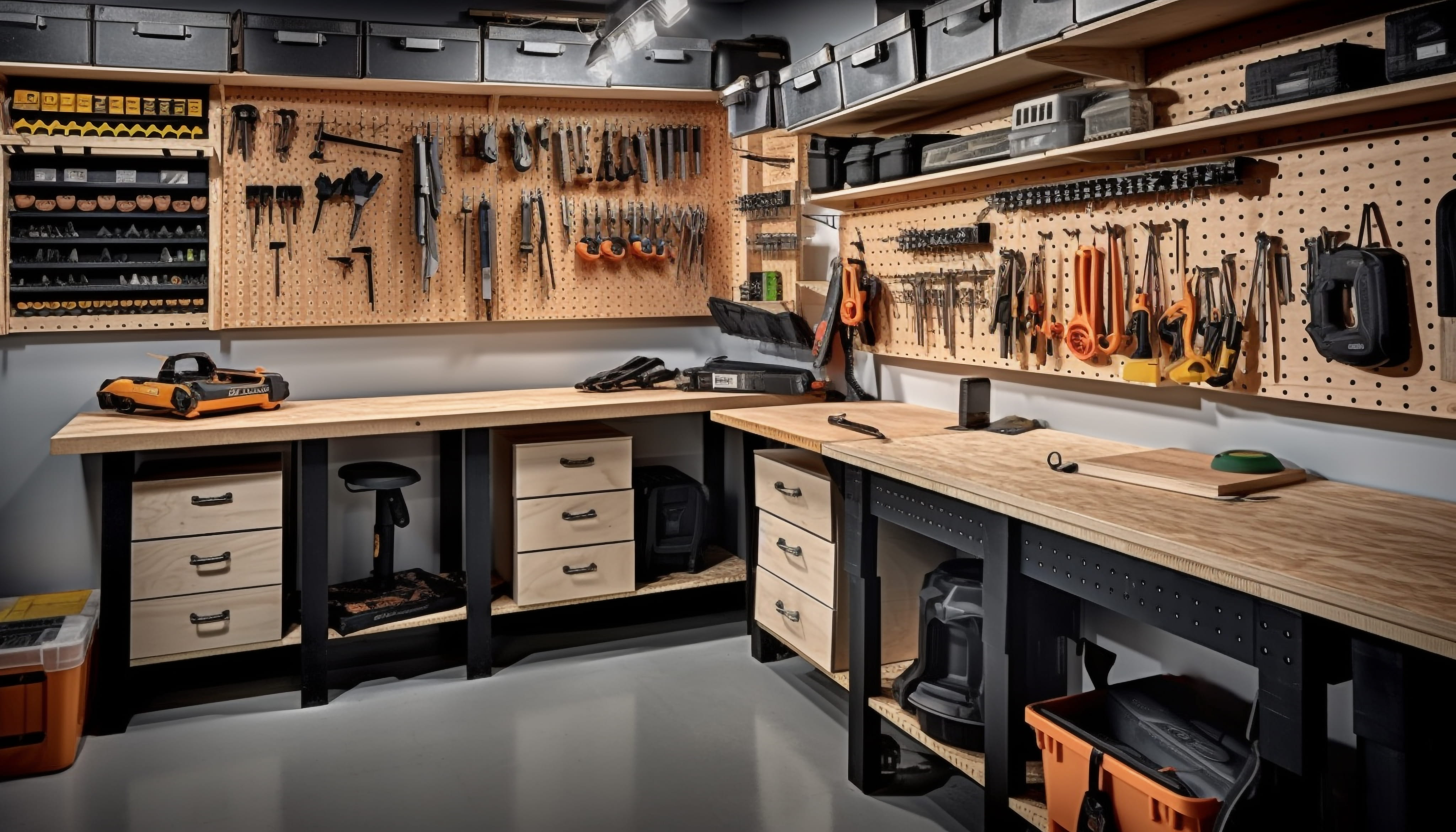
For many families, the garage has become a storage unit that happens to hold cars, if there's room. Boxes, bikes, tools, sports gear, paint cans, and seasonal decor pile up until nothing can be found and the vehicles sit outside. Getting the space organized isn't just about neatness. Stored items can be a safety hazard when stacked unsafely, shelving can fall if not anchored, and chemicals and fuels can be a fire risk if stored badly. A well-planned storage system makes the garage useful again, and many of the installations are straightforward projects for a skilled handyman. Here's what's involved.
Why Organize the Garage
An organized garage frees floor space, protects belongings from damage, makes tools and supplies easy to find, and improves safety. It also adds value for buyers, who look at garage storage as a feature. A clean, functional garage is a space people actually use.
Start With a Plan
Before buying anything, walk the garage and list what you need to store. Measure the walls, ceiling, and space for vehicles. Note windows, doors, outlets, water heaters, and electrical panels, which require clearance. A plan prevents wasted money and ensures everything fits.
Zones for Storage
Dividing the garage into zones, such as tools, sports equipment, seasonal storage, garden supplies, and automotive items, keeps things organized. Place frequently used items at eye level and near the entrance, and rarely used items higher or farther away. A zone-based layout keeps order over time.
Declutter First
Sort belongings into keep, donate, and discard before installing storage. Many garages hold items that are no longer needed. Reducing volume makes the final system simpler and less expensive.
Wall-Mounted Shelving
Wall shelves hold bins, boxes, and supplies off the floor. They must be anchored into studs or masonry with appropriate fasteners, and the shelf spacing and load capacity should match what you'll store. Adjustable shelving provides flexibility as needs change.
Freestanding Shelving Units
Freestanding shelves are easy to set up but can tip if overloaded or bumped. Anchor tall units to the wall to prevent tipping. Choose units with ratings suited to the load, and place heavy items on lower shelves.
Slat Wall and Track Systems
Wall track systems allow hooks, shelves, and baskets to be moved and rearranged easily. They're versatile for tools, sports gear, and garden equipment. Installation involves securing tracks into studs and keeping them level.
Pegboard and Tool Walls
Pegboard and tool panels keep hand tools visible and within reach. Mount them on solid backing, with spacers so hooks can be inserted. Outline tools or label positions for easy return.
Overhead Ceiling Racks
Overhead racks use ceiling space above the vehicles for bins, seasonal items, and long objects. They must be securely fastened to ceiling joists, and weight limits matter. Hanging heavy loads from drywall alone is dangerous. A handyman locates framing and installs racks safely.
Bike, Ladder, and Sports Gear Storage
Wall hooks, ceiling hoists, and racks keep bikes, ladders, kayaks, and sports equipment off the floor. Placement should leave room to open car doors and walk safely. Choose hardware rated for the weight of the items.
Workbenches
A sturdy workbench provides a place for projects and repairs. Wall-mounted folding benches save space, while fixed benches offer stability. Benches need to be level, anchored, and at a comfortable height, with lighting and outlets nearby.
Cabinets and Closed Storage
Garage cabinets keep clutter out of sight and protect items from dust and pests. Choose materials that tolerate temperature swings and moisture. Cabinets must be securely mounted and leveled, with doors that clear vehicles and each other.
Storing Chemicals, Fuels, and Paint
Store flammable liquids, fuels, and chemicals in approved containers, away from heat sources and ignition points such as water heaters and furnaces. Keep them out of the reach of children. Lockable cabinets add safety. Follow local rules and product labels.
Water Heaters and Furnaces
Appliances in the garage need clearance for service, ventilation, and safety. Don't block access, vents, or shutoffs. Gas appliances may have specific clearance requirements, and local codes may apply.
Moisture and Pests
Garages can be damp and attract pests. Raise stored items off the floor, use sealed plastic bins, and keep food, pet feed, and birdseed in tight containers. Seal gaps and cracks to reduce entry points.
Lighting
Good lighting makes the garage safer and more useful. Replacing dim bulbs, adding LED fixtures, and installing task lighting over a workbench are common upgrades. New wiring or fixtures beyond simple replacements need a licensed electrician.
Outlets and Power
Adding outlets, circuits, or hardwired equipment requires a licensed electrician and may need permits. Extension cords are temporary solutions and shouldn't be used as permanent wiring. Plan electrical needs for tools and chargers.
Flooring and Coatings
Garage floors collect oil and dirt. Sealing or coating concrete with epoxy or other products makes cleaning easier and improves appearance. Proper surface preparation and moisture testing are essential. Floor mats under workbenches add comfort.
Wall and Ceiling Finishes
Painted walls brighten the garage and make it easier to clean. Moisture-resistant paints work well. Drywall, where installed, should meet fire-rating requirements for garages adjoining living space. Don't remove or compromise fire barriers when installing storage.
Anchoring Into Different Surfaces
Studs in wood-framed walls, solid concrete, cinder block, and brick require different fasteners and tools. Using the wrong anchor leads to failure. A handyman selects the right fasteners and hardware for each wall type and load.
Weight Limits and Safety
Every shelf, hook, and rack has a weight rating. Overloading can cause collapse. Distribute weight evenly, place heavy items low, and follow manufacturer limits. Safety matters more than squeezing in one more box.
Keeping Vehicle Clearance
Make sure storage doesn't block car doors, garage door tracks, openers, or sensors. Leave a clear path to walk around vehicles. Measure with doors open before installing anything near the vehicle area.
Garage Door Considerations
Garage doors and openers need clearance, and overhead storage must stay clear of the door's path and mechanisms. Don't attach items to door tracks, springs, or openers. Garage door repair belongs to specialists.
Labeling and Systems
Use clear bins with labels, a simple inventory, and consistent placement. Labeling saves time and prevents re-cluttering. Group like items, and store seasonal items together.
Keeping It Organized
Schedule seasonal cleanouts, return tools to their places, and resist letting random items pile up. A good system is only as good as its upkeep. A quick monthly reset keeps the garage functional.
Cost Considerations
Costs vary with the number of shelves, racks, cabinets, and the complexity of installation. Bundling tasks into one visit saves money. Buying quality hardware may cost more but lasts longer and holds heavier loads.
Preparing for a Handyman Visit
Clear access to walls and ceilings, move vehicles out, and have your plan or wish list ready. If you've purchased shelving or racks, have them on site. Mention heavy items you plan to store, so anchors can be chosen accordingly.
When to Call Specialists
Electrical work, garage door springs, structural modifications, and gas appliances should be handled by licensed professionals. A good handyman will tell you when a job is beyond their scope.
Safe Storage for Heavy Items
Heavy items like tool chests, paint cans, and tires belong on low shelves or the floor. Keep lighter, bulky items higher. Distributing weight keeps shelving stable and safer to use.
Seasonal and Holiday Storage
Rotate holiday decorations and seasonal gear into overhead racks or high shelves, and keep frequently used items at hand height. Clear bins with labels make it easy to grab what you need. Seasonal rotation prevents clutter.
Pegboard Layouts for Hand Tools
Arrange tools by type and frequency of use, and outline their shapes for easy return. Group screwdrivers, pliers, and wrenches together. A tidy tool wall makes projects faster and keeps tools from disappearing.
Pet and Child Safety
Keep sharp tools, chemicals, and heavy items out of reach, and secure cabinets with latches if needed. Make sure shelving can't be climbed or pulled over. Safety considerations are especially important in family garages.
Temperature and Humidity Considerations
Garages swing between hot and cold, which can damage paint, batteries, electronics, and some stored materials. Keep sensitive items indoors, and use sealed bins for items vulnerable to humidity. Consider ventilation to reduce moisture buildup.
Planning for Future Needs
Choose adjustable systems and leave a little empty space, since storage needs grow. If you may add a workbench, freezer, or second vehicle later, plan wall layout and outlets with that in mind. A flexible design avoids redoing the work.
Anchoring Into Concrete and Block
Concrete and cinder block walls require masonry anchors and a hammer drill. Drill to the correct depth, clean dust from the holes, and use the proper fasteners for the load. Hollow block needs special anchors that expand behind the face. Proper anchoring prevents shelves from pulling out.

Ready to get your garage back? Our handyman team plans the layout with you, then installs wall shelving, tracks, ceiling racks, hooks, and workbenches with the right anchors for each wall, keeping chemicals, appliances, and car doors safely clear. Request your free handyman estimate today.

Karter & Co


