

Flooring Underlayment Explained: What It Does and Which Type Your Floor Needs
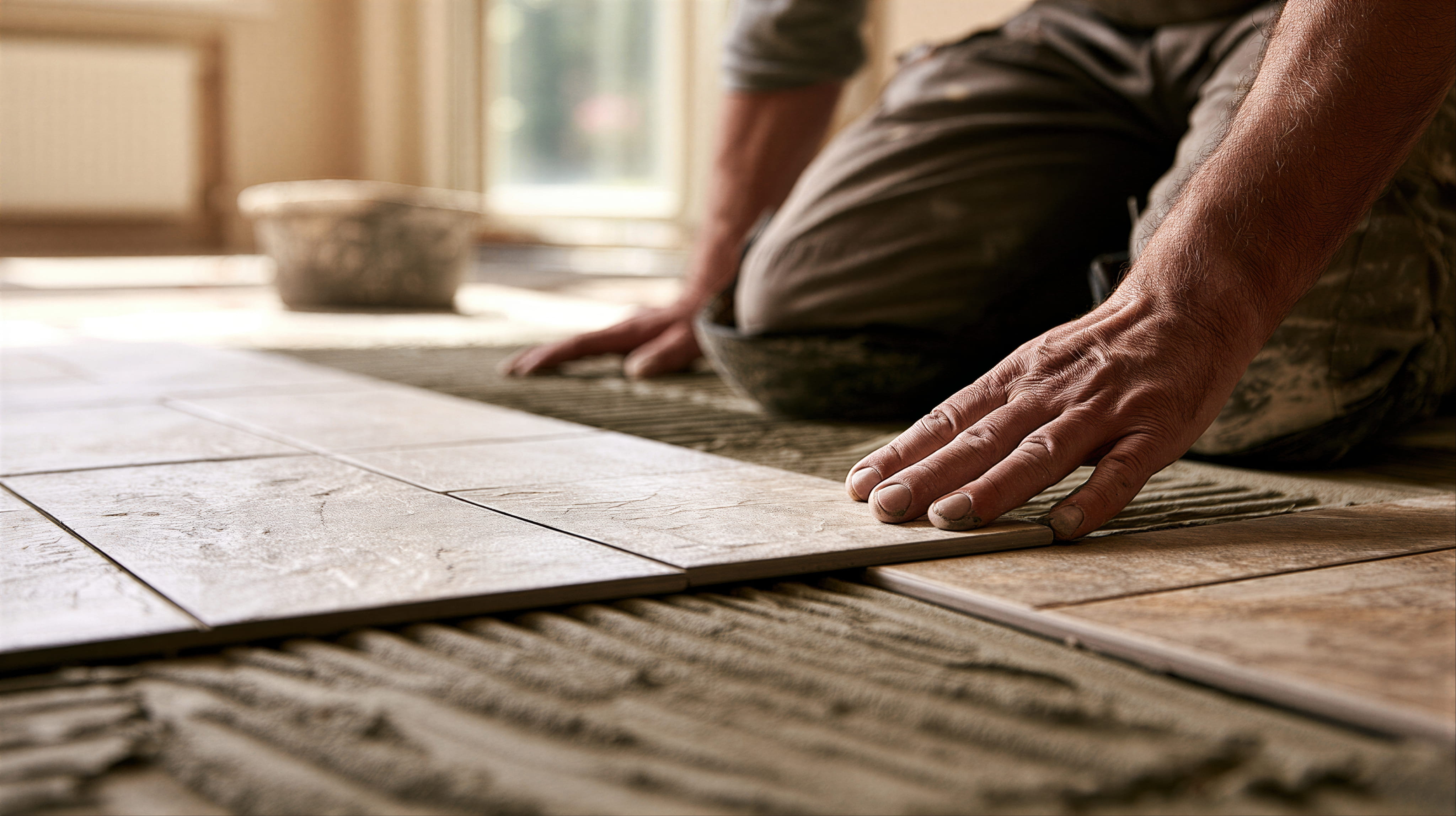
Between your subfloor and your finished floor sits a layer most people never see and rarely think about: underlayment. It can look like a thin foam sheet, a roll of felt, a layer of cork, a rubber mat, or a thin plywood panel. Underlayment does real work. It cushions the floor, reduces noise, blocks moisture, smooths minor imperfections, and in some cases is required to keep a manufacturer's warranty valid. Choosing the wrong underlayment, or doubling up when one layer is specified, can cause squeaks, buckling, and failures. Understanding what underlayment does and which type fits which floor helps you plan a successful installation.
What Underlayment Is
Underlayment is a layer installed over the subfloor and under the finished flooring. It can be thin or thick, soft or rigid, and made from foam, felt, cork, rubber, fiber, or wood. Different flooring products need different underlayments, and some come with underlayment already attached.
What Underlayment Does
Underlayment can provide sound absorption, moisture protection, thermal insulation, cushioning, and a smoother surface for the flooring. It can also help the floor float, which is the term for flooring that isn't glued or nailed to the subfloor. The functions needed depend on the flooring type and the room.
Sound Control
Footsteps and impact noise travel through floors. Underlayment with good sound-dampening properties reduces noise, which is especially important in condos, apartments, and second floors. Products are tested for impact sound performance, and some buildings require minimum ratings.
Moisture Protection
Concrete slabs and some wood subfloors release moisture vapor. Underlayment with a built-in vapor barrier or a separate vapor barrier film prevents moisture from reaching the flooring. This is especially important for wood, laminate, and some vinyl floors.
Thermal Comfort
Underlayment can add some insulation, making floors feel warmer underfoot. Foam and cork provide modest insulation. For radiant heat, special underlayments conduct heat efficiently, so they must be chosen carefully.
Cushioning and Comfort
A softer underlayment makes floors feel more comfortable and can reduce fatigue. However, too much cushioning under rigid flooring such as laminate or luxury vinyl plank can cause joints to flex and fail. The right balance depends on the product.
Leveling Minor Imperfections
Thin underlayment can smooth tiny irregularities, but it can't fix significant unevenness. Larger problems require leveling compound or subfloor repair. Don't rely on underlayment to hide flaws.
Foam Underlayment
Foam is a common, economical underlayment for laminate and floating floors. It provides cushioning and some sound reduction. Foam comes in various thicknesses and densities, and some include a vapor barrier. It's lightweight and easy to install.
Felt Underlayment
Felt, often made from recycled fibers, is dense and provides good sound absorption and insulation. It's commonly used under hardwood, laminate, and engineered floors. Felt breathes, so a separate vapor barrier may be needed over concrete.
Cork Underlayment
Cork is a natural, resilient material that offers excellent sound and thermal insulation, and it resists mold and mildew. It's more expensive than foam but durable. It's used under hardwood, engineered, and floating floors.
Rubber Underlayment
Rubber underlayment is dense and highly effective at reducing impact noise. It's often used in multi-family buildings and gyms. It's heavier and more costly but offers superior sound control.
Rosin Paper and Builder's Paper
Under nail-down hardwood, rosin paper or felt paper provides a slip sheet that reduces squeaks and helps with moisture. It's thin and inexpensive. It doesn't offer major sound reduction.
Plywood and Cement Board
Plywood underlayment provides a smooth, solid surface over rough subfloors, often under vinyl, linoleum, and tile. Cement backer board provides a stable base for tile in wet areas. These are rigid panels, not soft pads.
Uncoupling Membranes for Tile
Tile needs a stable base, and uncoupling membranes allow movement between the subfloor and tile, reducing cracking. They're used over wood subfloors and cracked concrete. They require specific mortar and installation methods.
Attached Underlayment
Many laminate and luxury vinyl products come with underlayment attached to the back. Adding a second underlayment can void the warranty and cause problems. Always check whether the flooring includes underlayment before buying more.
Underlayment for Luxury Vinyl Plank
LVP flooring typically needs a firm, flat base. Thick, soft underlayment can cause joints to flex and fail. Some products include attached pads, and others require specific thin, dense underlayments. Follow the manufacturer's instructions.
Underlayment for Laminate
Laminate floors usually float over a foam or felt underlayment that provides cushioning and a moisture barrier. Quality and thickness affect sound and comfort. Using the manufacturer's recommended product protects the warranty.
Underlayment for Hardwood and Engineered Wood
Nail-down hardwood often uses felt or paper, and floating engineered floors use foam, felt, or cork. Over concrete, a moisture barrier is typically required. Different installation methods have different needs.
Carpet Pad
Carpet pad is the underlayment for carpet. Pad type, thickness, and density affect comfort, durability, and warranty. Dense, moderate-thickness pad usually performs best, since overly thick, soft pad can cause carpet to wear and stretch early.
Underlayment and Radiant Heat
Radiant heating systems require underlayments that allow heat to transfer, with low thermal resistance. Thick foam can block heat. Always follow manufacturer guidelines for both the heating system and the flooring.
Moisture Barriers Over Concrete
Concrete slabs, especially on or below grade, need vapor barriers under floating floors. Polyethylene films and underlayments with attached barriers serve this function. Moisture testing should be done first to determine what's needed.
Condos and Sound Requirements
Many condominium associations require minimum impact sound ratings for flooring changes. Check rules before purchasing materials. Noncompliant flooring can lead to fines or orders to replace.
Common Mistakes
Using two layers of underlayment, installing the wrong thickness, skipping vapor barriers, ignoring manufacturer requirements, and leaving gaps or overlaps are common errors. They can cause buckling, noise, and warranty problems.
Installation Tips
Underlayment should lay flat, with seams butted or taped according to instructions, and no wrinkles or gaps. It should extend slightly up the walls, trimmed after the flooring is installed. A clean subfloor is essential.
Cost Considerations
Underlayment adds cost, ranging from inexpensive foam to premium cork or rubber. The cost is small compared with flooring but affects performance. Ask your installer to specify and itemize it.
Matching Underlayment to Your Goals
Think about priorities: sound control, moisture protection, comfort, or budget. A professional can recommend a product that satisfies the flooring requirements and your goals. Always check the flooring warranty.
Choosing Underlayment for Second-Floor Rooms
Upstairs rooms transmit noise to the rooms below, so sound control matters. Dense felt, cork, or rubber underlayment reduces footfall noise. Pairing it with a quiet flooring choice improves comfort for the whole household.
Underlayment and Door Clearances
Adding underlayment and new flooring raises the floor height. Doors may need trimming, and transitions must be planned. Measure the total thickness of underlayment plus flooring to avoid surprises.
Seams, Overlaps, and Tape
Seams should be butted or overlapped according to the product, and taped when required. Gaps allow moisture or noise to pass. A careful installer follows the manufacturer's instructions for each product.
Vapor Barriers Versus Moisture Mitigation
A thin vapor barrier film isn't a cure for a wet slab. If moisture readings are high, mitigation products, drying, or repairs are needed first. Underlayment can't fix serious moisture problems.
Odors, Mold, and Material Quality
Low-quality foam can off-gas or hold odors, and some materials can harbor mold in damp conditions. Choosing reputable products with moisture-resistant properties protects indoor air quality. Ask about certifications and warranties.
Underlayment in Rentals and Resale Homes
Landlords and sellers often choose economical underlayment that meets flooring requirements. In multi-family settings, sound ratings protect neighbors and avoid complaints. Keep records of the products used.
Choosing Underlayment for Pets and Kids
Homes with pets and children benefit from underlayment that resists moisture and muffles noise. Spills and accidents can seep through seams, so a built-in moisture barrier adds protection. Choose products that are easy to install tightly without gaps.
Underlayment for Finished Basements
Basement floors need moisture control and comfort. Dimpled subfloor panels, vapor barriers, and warm underlayments create a dry, comfortable base. Because basements vary, test moisture and choose a system that suits your slab.
Checking Product Ratings and Data Sheets
Underlayment data sheets list thickness, density, sound ratings, moisture performance, and compatible flooring types. Reading them avoids mismatches. A good installer shares the data sheet and explains why the product fits your floor.
Disposal and Environmental Considerations
Some underlayments contain recycled content, and others can be recycled. If environmental impact matters to you, ask about materials and take-back programs. Choose products with good indoor air quality ratings.

Not sure which underlayment your new floor needs? We check your flooring manufacturer's requirements, test for moisture, recommend the right product for sound, comfort, and protection, and install it correctly so your warranty stays valid. You'll see it itemized in your quote. Request your free flooring estimate today

Karter & Co


