

Flooring Guide: Porcelain, Ceramic, Stone, and What Matters Before You Buy
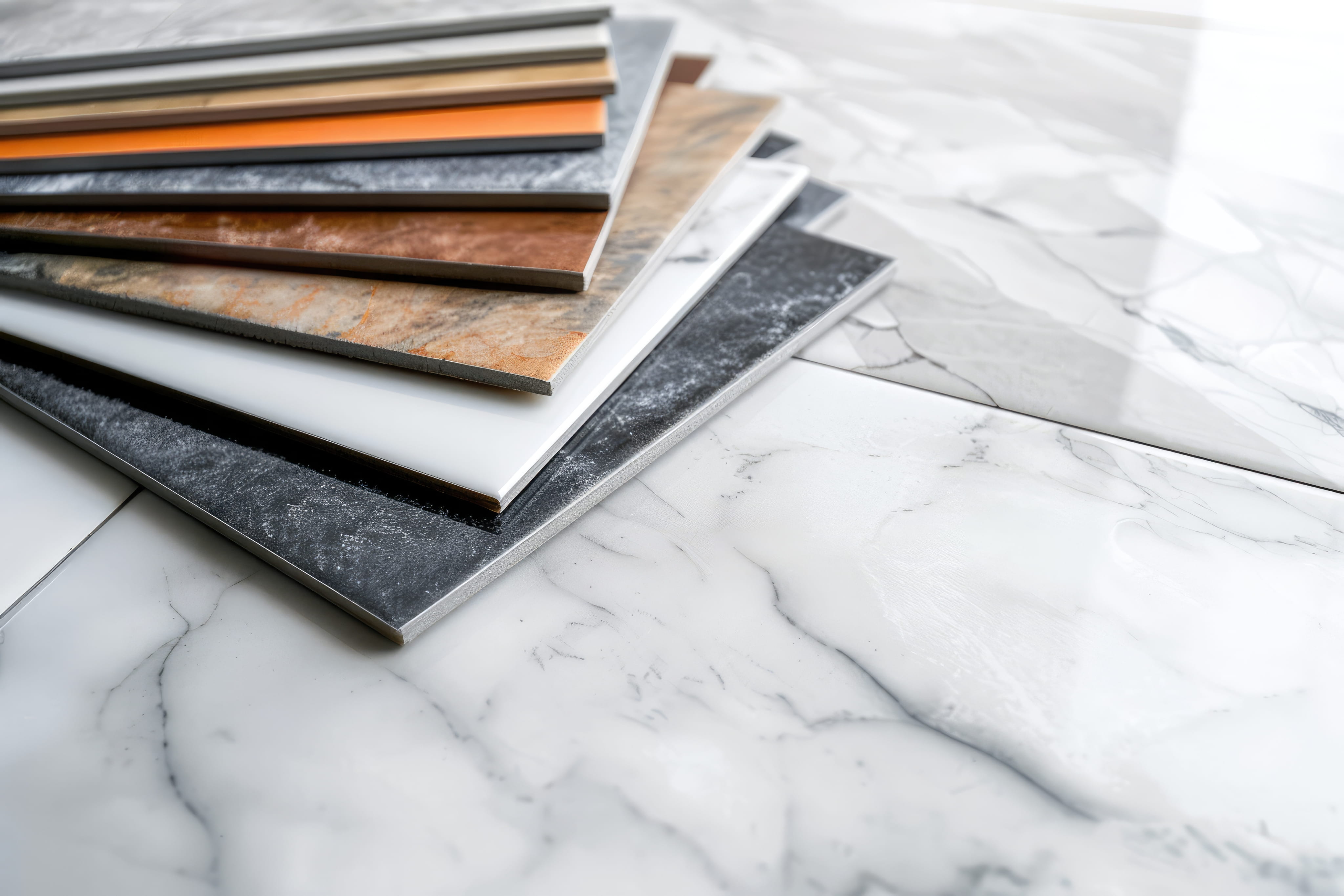
Tile is one of the most durable and versatile flooring choices, and it has been used in homes for centuries. It handles water, stands up to heavy traffic, and comes in nearly endless colors, sizes, and patterns. But tile is also unforgiving. It's hard and cold underfoot, it cracks if the floor beneath it moves, and an installation is only as good as the preparation behind it. The tile you pick, the grout you choose, and the way the floor is prepared all determine whether the finished result looks beautiful for decades or cracks and loosens within a few years. Understanding the options and the process helps you choose well and ask the right questions.
Why Choose Tile
Tile resists water, stains, and wear, doesn't harbor allergens, and cleans easily. It's a natural fit for kitchens, bathrooms, laundry rooms, entries, and sunrooms. It also works with radiant floor heating, and it can look elegant, rustic, or modern depending on the style.
Ceramic Tile
Ceramic tile is made from clay fired at lower temperatures than porcelain. It's typically softer and more porous, which makes it easier to cut and often less expensive. It works well for walls and for floors with light to moderate traffic. Glazed ceramic offers a wide variety of colors and patterns.
Porcelain Tile
Porcelain is made from refined clay fired at high temperatures, creating a denser, harder, less porous tile. It resists moisture and wear better than ceramic, which makes it a popular choice for floors, showers, and outdoor use where it's rated for it. It can be harder to cut and install.
Natural Stone Tile
Stone options include marble, travertine, slate, limestone, granite, and others. Each has a distinct look, but most are more porous and need sealing. Some stones scratch or etch easily, such as marble, while others are very durable. Stone requires regular care and may show natural variation in color.
Cement and Encaustic Tile
Cement tiles have bold patterns and a handmade appearance. They are porous and need sealing, and they can stain without proper care. They suit decorative areas and accent floors.
Wear Ratings and Suitability
Tiles carry ratings that describe durability and where they're suitable. Floor tile must be rated for floor use, and heavy-traffic areas need higher ratings. Wall tile isn't suited for floors, since it can crack and wear quickly. Ask for the ratings for any tile you're considering.
Water Absorption
Dense tiles absorb little water, which matters in wet areas and cold climates where freeze-thaw cycles can crack porous tiles. Porcelain is a common choice for showers and exterior use. Check water absorption data for areas exposed to moisture.
Slip Resistance
Smooth, glossy tiles can be slippery when wet. Textured and matte finishes provide more traction. Bathrooms, kitchens, entries, and pool areas benefit from slip-resistant tile. Many products publish a coefficient of friction rating, and you can ask for it.
Size and Shape
Large-format tiles have fewer grout lines, giving a clean, modern look, but they require a very flat floor. Small tiles, mosaics, and hexagons follow gentle slopes better and offer more grip. The size you choose affects the look, the layout, and the prep.
Pattern and Layout
Straight lay, offset brick, herringbone, diagonal, and other patterns create different effects. Complex patterns require more cutting and waste. Planning the layout so cuts are balanced at walls and doorways makes the finished floor look intentional.
Choosing a Color and Finish
Light tiles brighten a room but show dirt in dark grout, while dark tiles hide dirt but show dust and footprints. Matte finishes are more forgiving, and glossy finishes reflect light and show wear. Test samples in your own lighting.
Grout Basics
Grout fills the spaces between tiles, locks them together, and protects the edges. It's a major factor in the final look and maintenance. Grout lines should be sized for the tile type, and the right grout makes cleaning easier.
Sanded and Unsanded Grout
Sanded grout is used for wider joints, and it resists shrinking and cracking. Unsanded grout suits narrow joints and delicate surfaces. Using the wrong type can lead to cracks or scratches.
Epoxy and Urethane Grout
Epoxy grout is highly stain resistant and doesn't require sealing, which makes it a good choice for kitchens and showers. It's harder to work with and costs more. Premixed urethane grouts offer easier application and good performance. Cement-based grout is the most common and requires sealing.
Grout Color
Grout color changes the look dramatically. Matching grout makes tile appear seamless, while contrasting grout highlights each tile. Light grout can stain, and dark grout can hide dirt but may show efflorescence. Choose a color you can live with.
Sealing
Cement-based grout and natural stone need sealers to resist stains. Sealers need to be reapplied periodically. Epoxy grout and porcelain tile generally need less sealing.
The Subfloor Matters
Tile is rigid, so the floor beneath must be stiff, flat, and stable. Wood subfloors that flex or move cause tiles to crack and grout to fail. A proper tile substrate, such as cement backer board or an uncoupling membrane, is typically installed over wood framing. Concrete slabs should be flat and sound.
Flatness and Leveling
Large tiles in particular need a very flat floor. Uneven surfaces cause lippage, which is when one tile edge sits higher than its neighbor. Leveling the floor before installing prevents this problem and makes a better looking result.
Movement Joints
Large tile areas need movement joints to absorb expansion and contraction. Without them, tiles can crack or tent. Joints are placed along walls, at transitions, and across large floors. A professional plans them as part of the layout.
Thinset and Setting Materials
Thinset mortar bonds tile to the substrate, and the right type depends on the tile and substrate. Large and heavy tiles need specialized mortars and full coverage. Poor bonding leads to hollow spots and cracking.
Installation Process
A typical installation includes preparing and leveling the subfloor, installing the substrate, laying out tiles, setting them in mortar, allowing cure time, grouting, and sealing. Each step takes time, and rushing leads to problems. Tile floors often take several days.
Tile Over Existing Floors
Tile can sometimes be installed over existing flooring, but it depends on the condition and type. Old vinyl and some adhesives may contain asbestos in older homes, so test before disturbing them. Tile over unstable surfaces fails.
Heated Floors
Radiant heating under tile makes floors warm and comfortable. Electric heating mats or hydronic systems can be installed under tile. They require careful planning, with proper thermostats and installation.
Bathrooms and Showers
Showers and wet areas need waterproofing behind the tile, not just tile and grout. Waterproof membranes and proper slopes prevent leaks. Bathroom tile should be slip-resistant and suited to wet use.
Kitchens
Kitchen tile handles spills and traffic, but dropped dishes may break against it. Cushioned mats help comfort. Choose tiles with good slip resistance and grout that resists stains.
Entries and Mudrooms
Entries need durable, slip-resistant tile that cleans easily. Porcelain is a popular choice. Floor drains and mats help manage water and dirt.
Outdoor Tile
Outdoor tile must be rated for exterior use and freeze-thaw conditions in cold climates. Textured porcelain and stone are common. Drainage and slope are essential to prevent water pooling.
Comfort and Noise
Tile is hard and cold, and it echoes noise. Rugs, radiant heat, and underlayments soften it. If comfort is a priority, consider area rugs and anti-fatigue mats where you stand a lot.
Care and Maintenance
Sweep and mop regularly with appropriate cleaners, avoid harsh acids on stone and grout, and reseal as needed. Wipe spills quickly. Keeping grout clean prevents staining.
Repairing Cracked or Loose Tile
Individual tiles can be replaced, but you need matching tile, which is why leftover tile is valuable. Cracks may indicate movement beneath the floor, which should be addressed. Re-grouting and sealing refresh tired grout.
Cost Factors
Cost depends on tile type, size, pattern, subfloor preparation, waterproofing, and labor. Natural stone, large formats, and complex patterns cost more. Prep and substrate can be a big part of the budget.
Choosing an Installer
Tile installation is a craft. Ask about experience, see examples of past work, and ask how they handle prep, flatness, movement joints, and waterproofing. A good installer explains the process and puts details in writing.
Choosing Tile for Resale
Neutral, classic tile in porcelain or ceramic tends to appeal to the widest range of buyers. Very bold patterns and colors can narrow appeal. If you plan to sell, consider timeless choices that photograph well.
Large-Format Tile Challenges
Large tiles look stunning but are heavy, can crack if not fully supported, and need careful handling. Installers use specialized tools and mortars, and floors must be very flat. Ask about experience with large formats.
Leftover Tile and Attic Stock
Always buy extra tile, typically a small percentage more than needed, and keep boxes of leftovers from the same lot. Tile color varies between production runs, so matching later can be difficult. Spare tile makes repairs possible.

Ready for tile that looks great and lasts? We help you choose the right tile and grout for each room, check and prepare the subfloor, plan layout and movement joints, and install with the right mortar and waterproofing, so your floor stays tight and beautiful. You'll get a clear plan and price. Request your free flooring estimate today

Karter & Co


