

Fascia, Soffit, and Roofline Trim: Signs of Rot and How Carpenters Repair Them
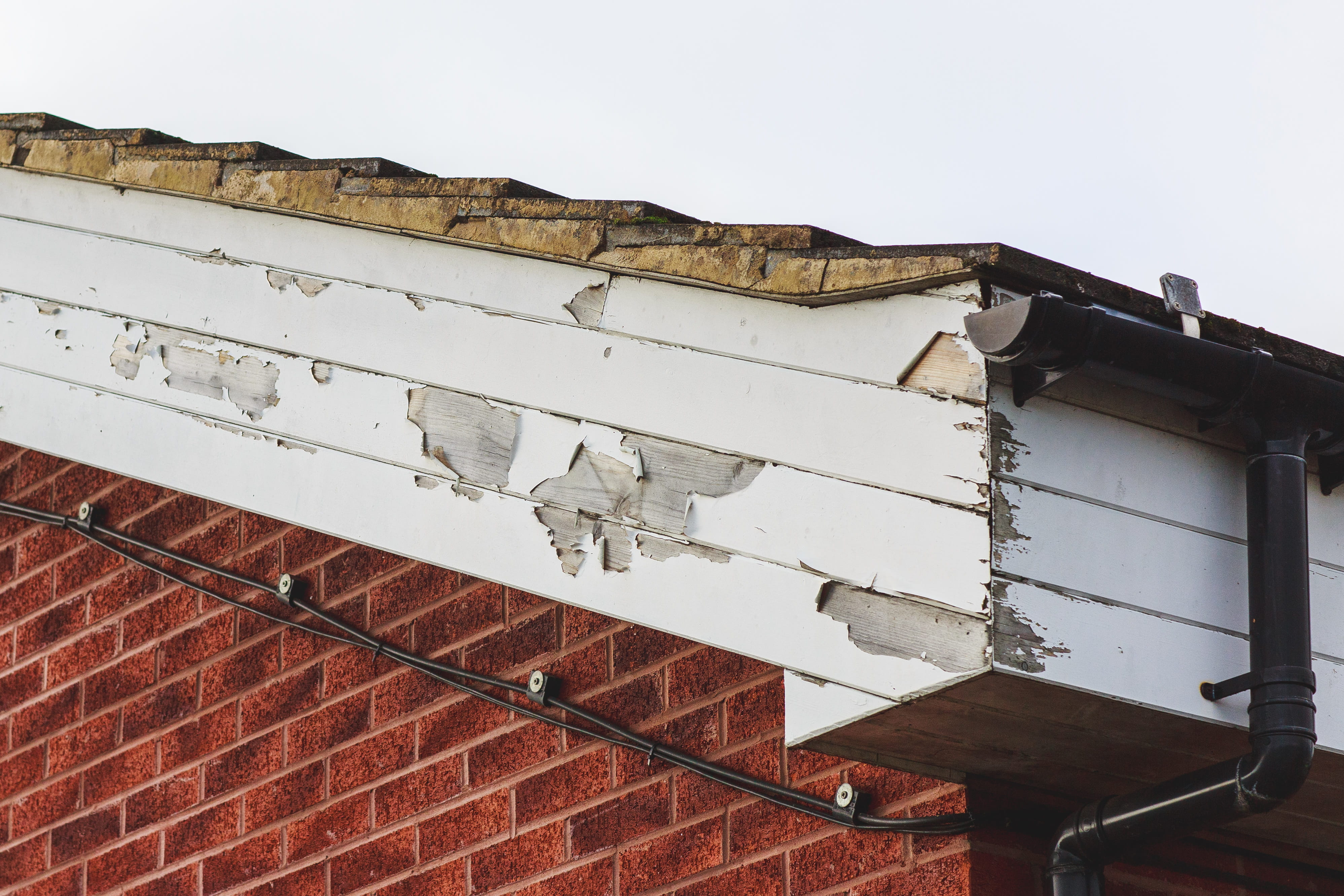
The edge of your roof is one of the most important places on your house and one of the least noticed. The fascia board runs along the roof edge, the soffit closes in the underside of the overhang, and together with the gutters and drip edge they form the line of defense between rain and your roof framing. When this trim fails, water gets into the rafters and the attic, pests find a way in, and the whole roofline looks neglected. Because it sits high and out of sight, damage often goes unnoticed until it's advanced. Understanding how roofline trim works, how it fails, and how it's repaired helps you catch problems early.
What Fascia and Soffit Do
Fascia is the vertical board fastened to the ends of the rafters, and it carries the gutters. Soffit is the horizontal panel underneath the overhang that closes the gap between the wall and the roof edge. Many soffits include vents that allow air to flow into the attic. Together they protect framing from weather and help the attic breathe.
Why Roofline Trim Rots
Water is the main culprit. Overflowing or clogged gutters spill water over the fascia. Leaks at the roof edge soak the wood from above. Poor drainage, failed paint, and gaps at joints let moisture in. Fascia that stays wet rots from the inside out, and the damage can hide behind a coat of paint.
Signs of Fascia Damage
Look for peeling or blistering paint, dark staining, soft spots, cracks, sagging gutters, and gaps between boards. Press gently with a screwdriver to test for softness. Gutters that pull away or won't hold a pitch often signal rotted fascia behind them.
Signs of Soffit Damage
Stains, sagging panels, holes, peeling paint, and visible daylight or insects entering the attic indicate soffit problems. Wasp nests, birds, and squirrels often enter through damaged soffits. Missing or blocked vents can also lead to moisture problems in the attic.
Why It Matters Beyond Appearance
Rotted fascia can't hold gutters properly, and water then runs behind them and into the rafters and wall. Damaged soffit lets pests and moisture in. Ignoring these problems lets damage spread to the roof deck and framing, which is far more expensive to repair.
Check the Gutters First
Gutter problems cause many fascia failures. Clean gutters, make sure downspouts carry water away from the house, and check for leaks at joints. Repairing fascia without fixing the gutter issue invites the same damage to return.
Inspect Safely
Roofline inspection is best done from the ground with binoculars or from a stable ladder. Don't climb onto the roof, and don't lean ladders against gutters in ways that can damage them. For high or steep roofs, hire a professional.
Repair or Replace?
If damage is limited to a small section, the bad piece can be cut out and replaced. If rot is widespread, or the board is cracked and warped throughout, replacing the whole run is more reliable. A carpenter inspects the hidden framing behind the fascia, since rot often extends into the rafter tails.
Rafter Tail Repairs
Rafter tails are the ends of the rafters that support the fascia. When they rot, they can be repaired by cutting off the damaged section and attaching a new piece, called a sister, to the sound part. Structural repairs may require consultation with a professional.
Removing and Reinstalling Gutters
Fascia replacement usually requires removing the gutters and reinstalling them afterward. Old gutters may be damaged during removal, and new hangers or sections may be needed. Planning for gutter work as part of the project avoids surprises.
Choosing Fascia Materials
Options include primed wood, rot-resistant woods, cellular PVC, fiber cement, and aluminum or vinyl wraps. Wood is traditional and paintable but needs maintenance. PVC and fiber cement resist moisture and insects. Metal wraps cover existing boards but can hide hidden rot.
Wrapping Fascia in Aluminum
Wrapping existing fascia in aluminum reduces maintenance and provides a clean finish. However, wrapping over damaged wood hides problems and can trap moisture. The wood should be sound before wrapping, and ventilation must remain open.
Soffit Materials
Soffit comes in vinyl, aluminum, wood, and fiber cement, in solid or vented panels. Vented soffit allows air to enter the attic, which is essential for roof and attic health. Choose a material that matches the home's style and your maintenance tolerance.
Ventilation Matters
Attic ventilation relies on intake vents at the soffit and exhaust vents near the ridge. Blocked or missing soffit vents lead to heat and moisture buildup, which can damage roofing and framing. Replacements should maintain or improve airflow, and insulation shouldn't block vents.
Pest Prevention
Gaps at the roofline invite wasps, birds, squirrels, and rodents. Seal gaps, repair holes, and use screened vents. Remove existing nests, and consider professional pest control if animals have entered the attic.
Drip Edge and Flashing
Metal drip edge directs water into the gutter instead of behind the fascia. Missing or poorly installed drip edge is a frequent cause of fascia rot. Correct flashing at the roof edge protects the wood.
Priming and Painting
All sides and cut ends of wood trim should be primed before installation. After installation, apply high-quality exterior paint. Painting every few years protects the wood from sun and moisture. Caulk joints with a flexible exterior sealant.
Matching Profiles and Style
Older homes may have decorative fascia, crown-like moldings, or wide boxed eaves. Matching existing profiles requires careful milling or built-up assemblies. A skilled carpenter can replicate details so repairs blend in.
Ladder and Fall Safety
Work at the roofline involves ladders and heights. Falls are a leading cause of serious home improvement injuries. Professionals use proper ladders, scaffolds, and fall protection. Don't attempt high work without proper equipment and experience.
Storm Damage
High winds and falling branches can tear off fascia and soffit. After storms, inspect the roofline and document damage with photos for insurance claims. Temporary covers can protect exposed framing until repairs can be made.
Insurance and Documentation
Damage from sudden events may be covered by homeowners insurance, while damage from long-term neglect typically isn't. Keep records of repairs, inspections, and photos. Prompt repairs protect both the home and your claim.
Cost Factors
Cost depends on length of the run, height, access, material, condition of underlying framing, and gutter work. Hidden rot can expand the scope. Getting a quote after an in-person inspection is the best way to understand the real cost.
Preventing Future Problems
Keep gutters clean, maintain paint and caulk, trim overhanging branches, and inspect the roofline once or twice a year. Fix small problems promptly. Regular attention prevents major repairs.
Questions to Ask a Carpenter
Is the framing behind the fascia sound? What material do you recommend? Will gutters be removed and reinstalled? How will ventilation be handled? Do you warranty the work? Clear answers show experience.
Soffit Vents and Insulation
Insulation should be installed so that it doesn't block airflow from soffit vents into the attic. Baffles keep a clear channel. Without it, vents are useless and the attic can overheat or trap moisture. This is a common issue in older homes that have had insulation added.
Painting Roofline Trim in Practice
Roofline trim is usually painted in a durable exterior acrylic, and because it's exposed to harsh sun and moisture, it benefits from a quality primer and two coats. Dark colors fade faster in intense sun, so choose fade-resistant products and follow the manufacturer's guidance.
Gutter Guards and Maintenance
Gutter guards can reduce clogs, but they need periodic cleaning and don't replace maintenance. Keeping gutters flowing protects fascia, siding, and foundation. Ask your carpenter or gutter contractor about options suitable for your roof.
Birds, Bats, and Wildlife
Wildlife entering through the roofline can damage insulation and wiring. Some animals are protected by law, so use humane, legal exclusion methods and consult a licensed wildlife professional. Repairs should wait until animals are gone.
Detecting Hidden Leaks at the Roof Edge
Stains on interior ceilings near exterior walls, peeling interior paint, or damp insulation can indicate a leak at the roofline. Tracing and fixing the source prevents bigger problems. Roof professionals can check flashing, shingles, and drip edge.
Cleaning and Painting Soffit
Soffit collects dirt, mildew, and cobwebs. Gentle cleaning with a soft brush and mild cleaner restores its look, and painting vented soffit requires care to avoid clogging vents. Use light coats and don't paint over vent openings.
Repairing Small Holes and Gaps
Small holes from pests or damage can be patched with exterior filler or replaced panels. Seal gaps at the wall and trim with flexible caulk. Repairs should match the existing material and keep ventilation open.
Working With Gutter Professionals
Because fascia and gutters depend on each other, many homeowners coordinate carpenters and gutter installers. A carpenter repairs the fascia, then gutters are reinstalled or replaced. Coordinating the timing prevents delays and ensures a proper pitch for drainage.

Peeling fascia, sagging gutters, or a stained soffit are warning signs. Our carpenters inspect the roofline including the hidden rafter tails, replace damaged trim with durable materials, keep soffit vents open, and reinstall gutters properly so water goes where it should. Request your free carpentry repair estimate today.

Karter & Co


