

Exterior Repairs a Handyman Can Handle: Fences, Gutters, Siding, Screens, and More
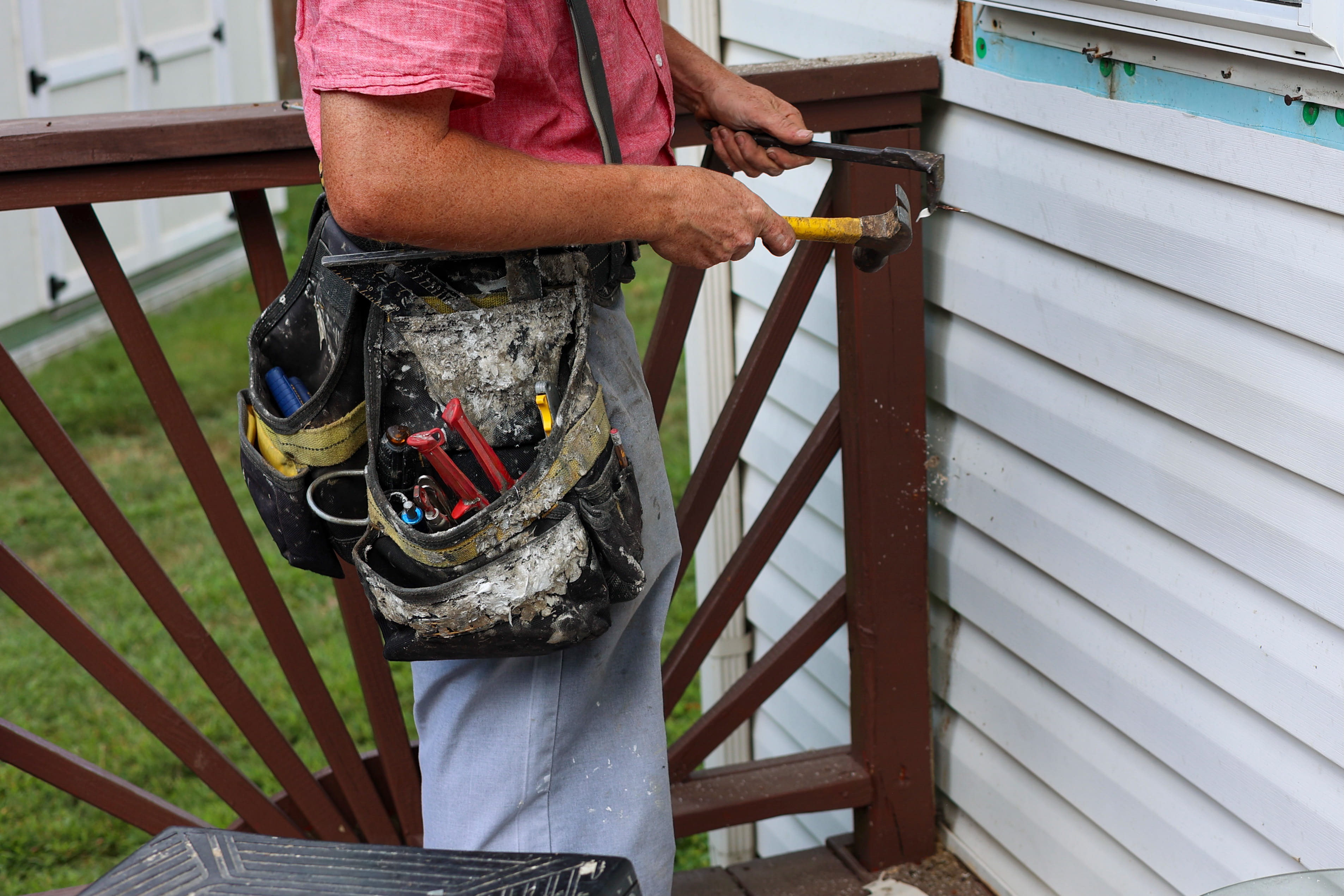
The outside of a house works hard. Wind, rain, sun, and temperature swings loosen fasteners, crack caulk, warp wood, and wear out hardware. Because exterior problems are visible from the street, they also shape how a home looks and how well it's cared for. Many of the repairs that keep an exterior in good shape are small, practical jobs that a skilled handyman can do in a single visit: a leaning gate, a few loose fence boards, a gutter pulling away from the fascia, a damaged siding piece, a torn screen. Catching them early prevents water damage and costly replacements, and knowing which jobs belong to a handyman and which to a specialist saves time and money.
Why Exterior Repairs Shouldn't Wait
Water finds every gap. A small crack in siding or caulk lets moisture into the wall, where it can cause rot and mold. A loose gutter dumps water along the foundation. A broken gate invites trouble and gets worse as it sags. Fixing small problems promptly is almost always cheaper than waiting.
Start With a Walk-Around
Walk the property with a notepad or phone, and look at the roofline, gutters, siding, windows, doors, fences, gates, steps, railings, and outdoor fixtures. Note anything loose, cracked, stained, rusted, or missing. A walk-around twice a year turns up problems while they're small.
Fence Board Repairs
Fence pickets and boards crack, warp, and loosen over time. A handyman can replace damaged boards, re-secure loose ones with screws, and match the existing style. Using corrosion-resistant fasteners prevents rust stains and keeps boards tight.
Leaning Fence Posts
A leaning post usually means rot at the base, loose soil, or a failed footing. Minor leaning can sometimes be corrected by re-setting and bracing the post, but rotted posts need replacement, and long runs of failing fence may call for a fence contractor. A handyman can tell you which category you're in.
Gate Repairs
Gates sag because hinges loosen, posts shift, or the frame racks out of square. Tightening or replacing hinges, adding a diagonal brace, and adjusting the latch often restore a gate. A self-closing hinge or gate closer adds convenience and safety, particularly around pools.
Gutter Repairs
Gutters pull away from the fascia when fasteners loosen or the fascia rots. A handyman can re-hang gutters, replace hangers, reseal leaking seams, and clean out debris. Adding downspout extensions directs water away from the foundation. Gutter cleaning is a simple, high-value task.
Downspouts and Splash Blocks
Downspouts should carry water well away from the house. Disconnected or crushed downspouts, and missing splash blocks, send water against the foundation. Re-attaching downspouts and adding extensions or splash blocks is quick and inexpensive.
Siding Repairs
Cracked, loose, or missing siding pieces can often be replaced individually. Vinyl siding can be unzipped and re-secured, wood siding can be patched or replaced, and fiber cement pieces can be swapped. Caulking gaps and sealing penetrations keeps water out. Large-scale siding damage may call for a siding specialist.
Exterior Trim and Caulk
Trim around windows, doors, and corners gets beaten up by weather. Replacing cracked caulk and rotted trim sections protects the wall behind. A quick pass with fresh exterior caulk and touch-up paint can extend the life of the exterior.
Window and Door Screens
Torn or sagging screens let in insects and look neglected. Re-screening a frame, replacing spline, and replacing damaged frames are inexpensive fixes. Sun-damaged screens can be replaced to improve visibility.
Exterior Doors and Weatherstripping
Doors that stick, drafts around frames, and worn thresholds are common problems. A handyman can adjust hinges, replace weatherstripping and door sweeps, and re-secure strike plates. These fixes improve comfort, security, and energy use.
Garage Door Weatherseals and Hardware
Worn bottom seals and side weatherstripping let in pests, water, and drafts. Replacing seals and tightening hardware is straightforward. Spring and cable repairs are dangerous and belong to garage door specialists.
Steps and Walkway Hazards
Loose treads, wobbly railings, and cracked steps are trip hazards. Tightening or replacing treads and re-securing handrails improves safety. Concrete cracks and settling may need patching or a concrete specialist.
Porch and Deck Spot Repairs
Replacing a few damaged deck boards, tightening railings, and fixing loose stair treads can often be done by a handyman. Structural problems, such as failing joists or ledger boards, require a carpenter or deck builder.
Outdoor Lighting
Replacing a burned-out fixture or a broken lens, installing a like-for-like fixture, and adding solar or plug-in lighting are common handyman tasks. New wiring, new circuits, and permanent outdoor outlets need a licensed electrician.
House Numbers and Mailboxes
Crooked or missing house numbers, damaged mailboxes, and loose mailbox posts affect appearance and deliveries. Re-setting a post, installing a new mailbox, and mounting numbers are quick jobs. Clear numbers also help emergency responders.
Hose Bibs and Outdoor Faucets
Dripping outdoor faucets waste water and can damage walls. Replacing a washer or a vacuum breaker is often simple, while a leaking pipe behind the wall needs a plumber. Shutting off water and draining hoses before freezing weather prevents burst pipes.
Dryer and Exhaust Vent Covers
Missing or damaged vent covers let in pests, rain, and cold air. Replacing covers and cleaning lint buildup improves safety and efficiency. Lint in dryer vents is a fire hazard.
Sealing Gaps Against Pests
Gaps around pipes, vents, and foundation edges invite insects and rodents. A handyman can seal openings with caulk, foam, and metal mesh. Sealing prevents infestations far better than chasing them later.
Pressure Washing and Cleaning Tasks
Some handymen offer light exterior cleaning, such as washing windows, sweeping, and cleaning gutters. Larger or delicate surfaces need proper soft-wash or pressure-washing methods. Ask what method is used before agreeing.
Touch-Up Painting and Sealing
Painting repaired spots, sealing exposed wood, and refreshing small areas keeps repairs from standing out. For larger surfaces, a painter provides more efficient coverage. Touch-ups protect bare wood from moisture.
Seasonal Exterior Checklists
Spring is the time to inspect for winter damage, clean gutters, and check screens. Summer is good for caulking and painting. Fall means clearing gutters, sealing gaps, and winterizing hoses. Winter calls for checking for ice dams and drafts. A seasonal visit keeps the exterior in good condition.
Ladder and Height Safety
Falls from ladders are a leading cause of home improvement injuries. Professionals use proper ladders, stabilizers, and safe practices. High, steep, or awkward work should be left to those with equipment and experience.
When to Call a Specialist
Roof repairs, foundation cracks, retaining walls, tree work, major siding replacement, structural deck repairs, and electrical or plumbing changes belong to licensed specialists. A good handyman will tell you honestly when a job is beyond their scope.
Preparing for a Handyman Visit
Make a list with photos, mark problem areas, and make sure the handyman can access gates, yards, and ladders. Group repairs to save money. Mention any pets, and secure gates.
Cost Considerations
Exterior repairs vary in time and materials. Bundling tasks into a single visit reduces cost per repair. Ask for a written estimate that covers materials and labor, and ask whether travel or minimum charges apply.
Documenting Repairs
Keep photos and invoices of exterior repairs. They help with warranty claims, insurance questions, and resale. A maintenance record shows buyers that the home has been cared for.
Fence Hardware: Screws vs. Nails
Screws hold fence boards tighter than nails and resist backing out as wood moves with weather. Using exterior-rated, coated, or stainless screws prevents rust streaks and keeps boards secure. Replacing old nails with screws during a repair improves durability.
Rot Where Wood Meets Soil
Wood in contact with the ground rots first. Bases of posts, bottom fence boards, and lattice are common problem spots. Raising boards slightly off the ground, using treated material, and keeping soil and mulch away from wood slows rot.
Wasp and Bird Nests
Nests in eaves, vents, and soffits should be removed safely, and entry points sealed after the animals are gone. Persistent or large nests, or any involving protected species, should be handled by qualified professionals. Sealing gaps prevents return visits.
Paint and Seal After Repairs
New wood and filled areas need primer and paint or stain to resist moisture. Skipping this step leaves repairs vulnerable. A quick touch-up while the handyman is there ties the repair in and protects it.
Planning for Weather
Many exterior repairs depend on dry weather for caulk, paint, and sealant to cure. A handyman will watch the forecast and schedule accordingly. Flexible scheduling avoids wasted visits.
Keeping Spare Parts and Materials
Save leftover fence boards, siding pieces, paint, and caulk labeled by location. Matching materials later is easier when you have the original product. A small supply of spares speeds future repairs.

Got a list of outdoor repairs that keeps growing? Our handyman team fixes fence boards, gates, gutters, siding, screens, weatherstripping, and more in a single visit, with the right materials and corrosion-resistant fasteners, and tells you honestly when a job needs a specialist. Request your free handyman estimate today.

Karter & Co


