

Exterior Paint Types Compared: Acrylic, Elastomeric, Oil-Based, and Hybrid Coatings
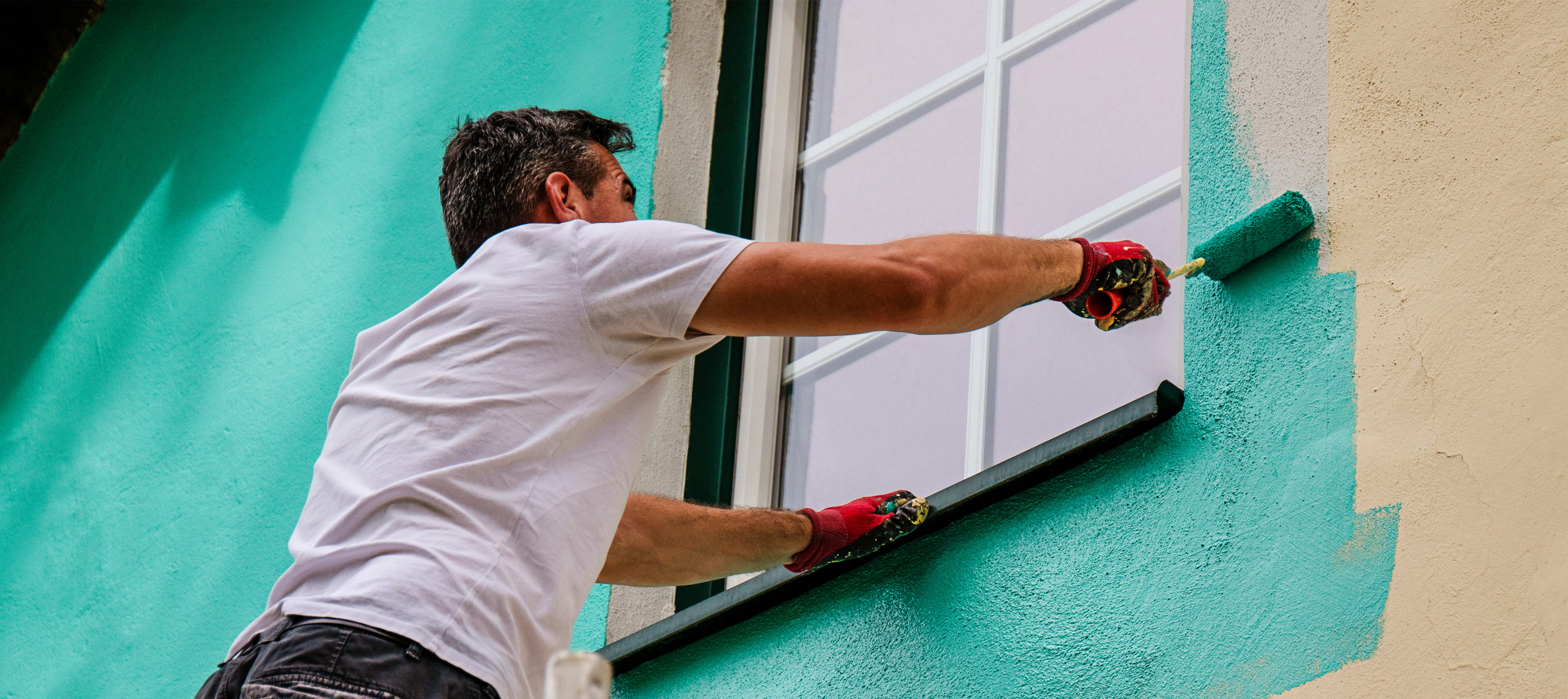
Walk into a paint store and ask for exterior paint, and you may be handed a dozen cans that all promise to last for years. Behind the labels are very different chemistries, and they behave differently on wood, stucco, brick, metal, and fiber cement. Some stretch to bridge hairline cracks, others dry rock hard, some let moisture escape, and others seal it in. Choosing the wrong type for your surface is one of the most common reasons exterior paint peels, blisters, or fades early. Understanding the main types, and where each belongs, helps you choose a coating that protects your home and gives you a finish that lasts.
Why the Type of Paint Matters
Exterior surfaces expand and contract with temperature, absorb and release moisture, and take constant UV exposure. A paint that can't flex will crack, and one that traps moisture will blister. The right paint matches the movement, porosity, and exposure of the surface it covers.
Binder, Pigment, and Additives
Paint is made of binder, pigment, solvent, and additives. The binder forms the film that holds everything together, and it largely determines flexibility, adhesion, and durability. Pigments provide color and hide, and additives add mildew resistance, flow, and other properties. Higher-quality paints contain more and better binders.
100 Percent Acrylic Latex
Acrylic latex is the most widely recommended exterior paint for wood siding, fiber cement, trim, and many other surfaces. It's flexible, resists fading and chalking, adheres well, and allows some moisture vapor to pass through. It cleans up with water and has low odor. Quality acrylics can last many years.
Vinyl Acrylic and Economy Paints
Vinyl-acrylic blends cost less and can work on low-exposure surfaces, but they typically offer less durability and fade resistance. They may be tempting for budget projects, but they often need repainting sooner. Compare cost per year of expected life, not just price per gallon.
Oil-Based and Alkyd Paints
Oil-based paints dry to a hard, smooth, durable film that levels well, and they're often used on trim, doors, and metal. They dry slowly, have strong odors, tend to yellow, and become brittle with age. Many regions restrict oil-based exterior coatings, and modern waterborne alkyds offer some similar qualities.
Waterborne Alkyd and Hybrid Coatings
Hybrid coatings blend acrylic and alkyd technologies to deliver hard, smooth finishes with water cleanup and lower odor. They're popular for doors, trim, and cabinets, and some formulations suit exterior siding. Check the label to confirm exterior suitability.
Elastomeric Coatings
Elastomeric paints are thick, rubber-like coatings that stretch and can bridge hairline cracks. They're commonly used on stucco, masonry, and concrete block, where they add waterproofing. They can last a long time, but they're harder to remove later and may trap moisture if applied over damp surfaces.
Where Elastomeric Works Best
Stucco with fine cracks, concrete block walls, and masonry exposed to driving rain are good candidates. They're not typically recommended for wood siding, which moves and needs to breathe. A professional should evaluate the substrate and moisture condition before recommending elastomeric.
Masonry and Mineral Paints
Specialty masonry paints and mineral silicate coatings bond with brick and stucco and allow moisture vapor to escape. They're valued on historic masonry because they don't form a film that traps moisture. They can be harder to find and apply, and color choices may be limited.
Solid-Color Stain vs. Paint
Solid-color stain looks similar to paint but is thinner and soaks into wood rather than forming a thick film. It's often used on rough-sawn siding, fences, and decks. It wears gradually rather than peeling, and it's easier to refresh. Paint offers a heavier film and wider color range.
Primers and Their Role
Primer improves adhesion, blocks stains, and seals porous surfaces. Different surfaces need different primers: acrylic primers for many surfaces, oil-based or stain-blocking primers for bare wood and tannin bleed, bonding primers for slick surfaces, and masonry primers for brick and stucco. Primer is part of the system.
Paint-and-Primer-in-One Products
Self-priming paints are thicker and can save a step on previously painted surfaces in good condition. They aren't a substitute for primer on bare wood, stained areas, or chalky surfaces. Treat marketing claims with care, and follow the label.
Sheen Choices
Flat finishes hide imperfections but hold dirt, while satin and semi-gloss shed dirt and are easier to clean. Higher sheens are common on trim and doors. Some products behave differently at different sheens, so check the manufacturer's information.
Breathability and Moisture
Paint should shed liquid water while allowing water vapor to pass. A film that traps moisture can blister and peel, especially on older homes without vapor barriers. Acrylics are generally breathable, while thick elastomerics and oil-based coatings are less so.
Flexibility and Cracking
Wood siding, caulk joints, and metal move with temperature and moisture. Flexible paints accommodate that movement, while brittle ones crack. Old oil-based layers become brittle, and new acrylic over them can crack along with them. Surface prep addresses this.
UV Resistance and Fade Resistance
Sun is hard on paint. Quality acrylics resist UV breakdown, retaining color longer. Dark and bright colors fade faster, so choose fade-resistant products for strong sun exposure. Manufacturers often publish fade warranties.
Mildew Resistance
In damp and shaded areas, mildew grows on paint surfaces. Many exterior paints include mildewcides that slow growth. Cleaning before painting and maintaining airflow help, since no paint is entirely immune.
Temperature and Weather Limits
Exterior paints have minimum application temperatures and dry-time requirements. Painting outside the recommended range can cause poor film formation. Paint when conditions suit the product, with no rain expected and surfaces dry.
Choosing for Wood Siding
High-quality acrylic latex over a suitable primer is a standard choice. It flexes with the wood and resists peeling. Bare wood needs primer, and tannin-rich woods like cedar may need stain-blocking primer. Oil-based paints are less common now.
Choosing for Fiber Cement and Vinyl
Fiber cement takes acrylic paint well when properly primed. Vinyl needs paints formulated for vinyl and color limits to avoid heat distortion. Check the siding manufacturer's recommendations.
Choosing for Stucco and Brick
Stucco often takes elastomeric or masonry-grade acrylic coatings, and brick can be painted with breathable masonry paint. Painting brick is a major decision that's hard to reverse. Evaluate moisture, cracks, and efflorescence first.
Choosing for Metal
Metal surfaces need rust-inhibiting primers and flexible enamels, often direct-to-metal formulas. Aluminum and galvanized metal need specific primers for adhesion. Match the product to the metal.
Choosing for Trim, Doors, and Shutters
Trim and doors take wear, so many painters choose harder, more washable finishes such as semi-gloss acrylic enamels or hybrid products. Painted surfaces that are touched often benefit from durable finishes.
Cost vs. Value
Premium paints cost more but cover better and last longer, so the cost per year is often lower. Cheaper paint may need more coats and earlier repainting. Labor is a large part of the cost, so using a better product is usually worthwhile.
Warranties and Their Fine Print
Paint warranties typically cover product defects and sometimes fade or peeling when applied according to directions. They rarely cover problems from poor preparation or moisture. Keep receipts and follow instructions to preserve coverage.
VOC and Environmental Considerations
Regulations limit VOC content in many areas, and low-VOC exterior paints are widely available. Ventilation is less of a concern outdoors, but disposal still matters. Choose products that comply with local rules.
Working With a Professional Painter
A professional can evaluate your surfaces, diagnose moisture problems, and recommend suitable products. Ask what paint and primer they plan to use and why. A clear answer shows understanding of the substrate.
Matching Paint to Climate
Hot, sunny climates call for fade-resistant, heat-reflective colors and formulations, while wet, humid climates call for mildew-resistant products and good breathability. Cold climates need paints that stay flexible at low temperatures. Ask local suppliers which products perform well in your conditions.
Testing Existing Paint Type
Before recoating, find out what's on the wall. A rub test with a solvent-dampened cloth can help distinguish oil-based from latex paint. Painting latex over loose, chalky, or incompatible layers may fail, so proper prep and primer matter.
Compatibility Between Layers
New coatings need to bond with old ones. Glossy oil-based paint needs scuffing and a bonding primer before latex goes on. Elastomeric over old paint needs a compatibility check. Skipping compatibility tests leads to peeling.
Cleaning and Preparing Before Any Coat
Even the best product fails over dirt, chalk, or mildew. Wash the surface, repair damage, caulk gaps, and let everything dry fully. Preparation, not just product, determines how long the paint lasts.

Not sure which exterior paint belongs on your home? Our painters evaluate your siding, trim, masonry, and metal, check for moisture and prep needs, and recommend the right primer and coating for each surface, so your finish holds up and looks great. You'll get a clear written scope. Get your free exterior painting estimate today.

Karter & Co


