

Door and Window Casing: How Trim Frames Every Opening
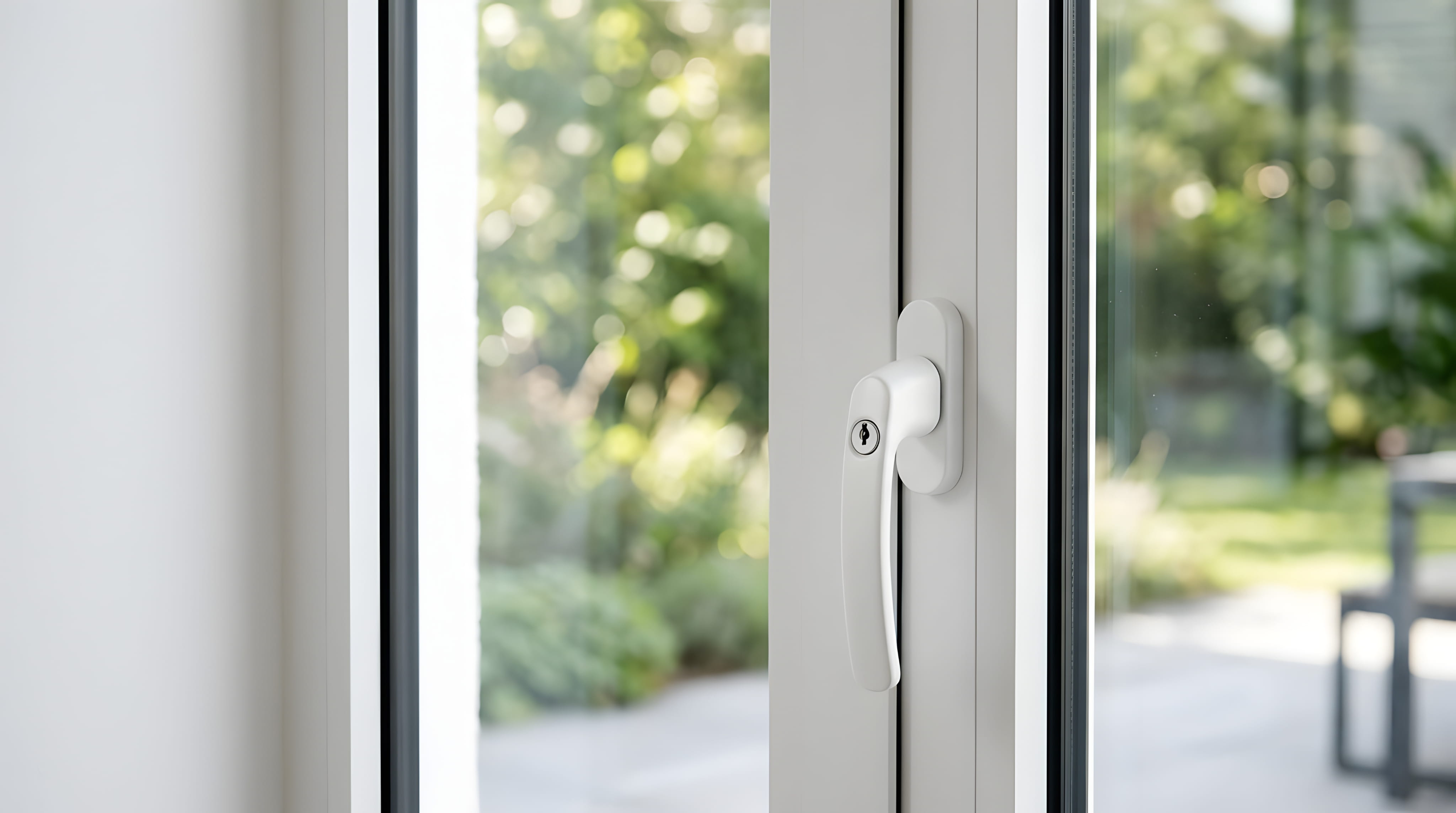
Casing is the trim that frames doors and windows, and it has a job beyond decoration. It covers the gap between the wall and the jamb, giving each opening a finished edge and hiding the rough joint behind it. Because casing frames the places your eye naturally goes, from entryways to views out windows, it has a strong influence on how polished a home looks.
What Casing Does
When doors and windows are installed, a small gap is left between the frame and the wall framing so they can be adjusted and leveled. Casing hides that gap and creates a visual border. It also protects the edges of drywall from damage and gives each opening a defined shape.
Common Casing Styles
Simple flat casing has clean, straight edges and suits modern and craftsman styles. Colonial or ranch casing has a gently curved profile and is common in traditional homes. Craftsman casing often features a wide, flat board with a header on top. Victorian and ornate styles include layered, decorative profiles. Choosing a style that relates to your baseboards and crown creates a cohesive look.
Mitered vs. Butt-Joint Corners
Many casings are mitered at the top corners, with the horizontal and vertical pieces cut at matching angles. Others use a butt joint with a head casing that sits on top of the side pieces, as in craftsman style. Each approach has a distinct appearance, and each requires careful fitting to look right.
The Reveal
A reveal is the small, consistent setback between the edge of the jamb and the edge of the casing. A uniform reveal, often an eighth to a quarter of an inch, creates crisp shadow lines and a custom look. Inconsistent reveals are one of the clearest signs of rushed work.
Window Stools and Aprons
Windows often include a stool, a horizontal sill that extends into the room, and an apron beneath it. This arrangement creates a traditional framed look. Details like returns on the stool ends and mitered aprons require careful craftsmanship. Simpler approaches wrap casing around all four sides like a picture frame.
Matching Door Casing and Baseboard
At the bottom of a door, the casing meets the baseboard. Where the baseboard is thicker than the casing, the junction is clean. Where it's not, plinth blocks provide a tidy transition. Planning thicknesses and heights together prevents awkward intersections.
Dealing With Out-of-Square Openings
Older homes and even new ones often have openings that aren't perfectly square. Trim carpenters adjust cuts, shim carefully, and sometimes use scribing to maintain even reveals and tight joints. Skill at adapting to imperfect conditions separates good work from mediocre.
Wide Jambs and Wall Thickness
Where the wall is thicker, jambs may need extensions so the casing sits flush. This detail is easy to overlook until installation begins, and it affects how the finished trim looks.
Replacing Old Casing
Removing old casing carefully protects the wall surface, but patching and repainting may still be necessary. If you're updating the style, plan for the whole opening, including paint touch-ups around the edges and any needed drywall repair.
Exterior Casing Considerations
Exterior trim faces weather, so material choice matters. Moisture-resistant products, proper flashing, and sealed joints protect against water intrusion. Good caulking and priming on all sides, including cut ends, extend the life of exterior casing.
Finishing and Painting
Casing is generally painted in semi-gloss or satin for durability. Fill nail holes, caulk seams, sand smooth, prime, and apply finish coats. Good prep makes the difference between trim that looks crisp and trim that looks sloppy.
Using Casing to Add Character
Adding wider casing, headers, or decorative details to plain openings can transform a basic room. Even simple upgrades, such as widening the casing slightly, can make doors and windows feel more substantial.
Cost and Time
Casing is often priced per opening, and complexity, number of pieces, and finishing all influence the cost. Matching existing trim in a partial update requires careful profile selection.

Want every doorway and window to look crisp and finished? We'll match your style, keep reveals even, and fit joints tight. Get your free trim carpentry estimate and see the difference.

Karter & Co


