

Does New Flooring Increase Your Home's Value?
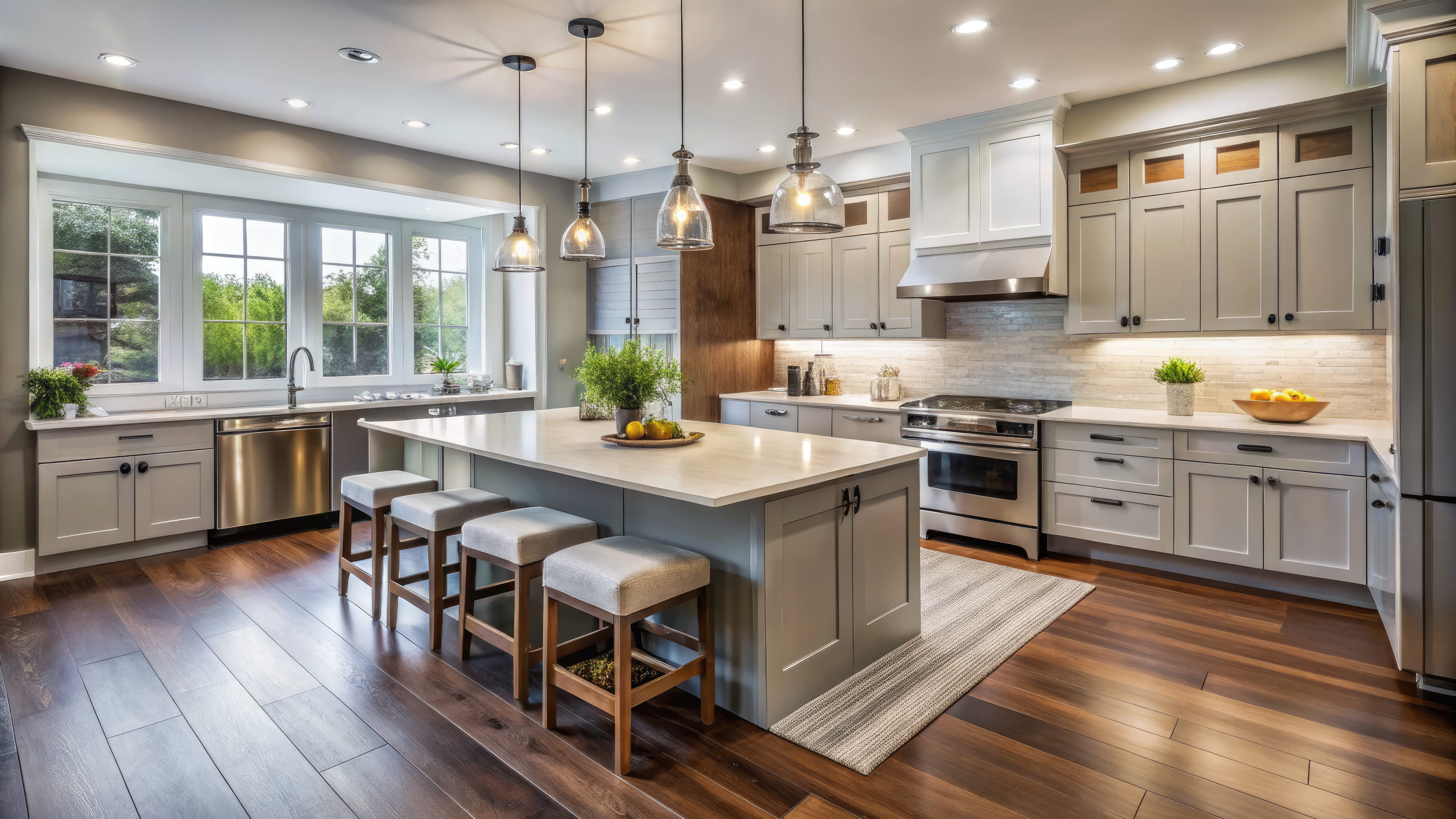
Floors are one of the first things buyers notice when they walk through a home, and one of the surfaces they scrutinize most closely. Worn, stained, or mismatched flooring can make a home feel dated or neglected, while fresh, consistent floors can make it feel clean, modern, and move-in ready. Understanding how flooring affects buyer perception helps you decide whether to replace, repair, or refresh before listing.
Why Floors Shape First Impressions
Floors cover a huge amount of visual area, and they're present in every photo and every room of a showing. Buyers see them constantly, and they form quick judgments about the overall condition of the home. Damaged or dirty floors suggest deferred maintenance, which makes buyers wonder what else has been overlooked.
Return on Investment Varies
New flooring often recovers a meaningful portion of its cost at sale, but it depends on the material, the market, and the condition of the existing floor. Replacing floors that are already in good shape rarely pays off, while replacing floors that are visibly worn or damaged often does. The biggest gains usually come from fixing glaring problems, not from upgrading acceptable floors.
Hardwood Appeal
Many buyers respond strongly to real hardwood, and it can enhance perceived value. If you already have hardwood under old carpet, uncovering and refinishing it can be one of the most cost-effective improvements available. Refinishing restores character without the cost of installing new floors.
Luxury Vinyl and Modern Options
Quality luxury vinyl is widely accepted and appreciated, especially in kitchens, baths, and family areas where durability matters. Buyers often see it as practical and low maintenance. Choosing a realistic, attractive product with a neutral look appeals to a broad audience.
Carpet and Buyer Perception
Worn or stained carpet can hurt a showing, while fresh, neutral carpet in bedrooms can feel comfortable and clean. Replacing dated carpet before listing is often a simple, affordable improvement. Neutral colors and quality padding help it feel inviting.
Consistency Through the Home
Using a consistent flooring style through main living areas creates a sense of flow and space. A patchwork of different materials, colors, and heights can make a home feel chopped up. Where changes are needed, thoughtful transitions keep the look intentional.
Neutral Colors Win
Light to medium neutral tones appeal to the widest group of buyers and make spaces feel larger and brighter. Very dark, very bright, or highly unusual colors can narrow your audience. Choose timeless finishes if you're preparing to sell.
Condition Matters More Than Style
A clean, well-maintained floor of any decent material usually beats a premium floor that's damaged. Buyers notice scratches, stains, gaps, squeaks, and uneven areas. Addressing these issues before listing prevents objections and negotiation.
Inspectors and Flooring
Inspectors and appraisers note moisture damage, soft spots, and structural problems. Underlying issues can raise concerns. Fixing the cause of problems, not just covering them, gives buyers confidence and reduces surprises.
Timing the Project Before Listing
Plan flooring work early enough to allow for installation, any curing, and cleanup before photos and showings. Rushed projects can lead to mistakes. Completing the work before staging ensures the home looks its best.
Combining Flooring With Other Updates
Fresh paint, updated trim, and clean surfaces make new flooring look even better. Replacing baseboards at the same time creates a polished finish. Coordinating these updates avoids damaging new floors during later work.
Budget Strategically
You don't have to replace every floor. Prioritize the areas buyers see first and the ones in the worst condition: entryways, living areas, kitchens, and primary bedrooms. Spend where it makes the biggest difference.
Value for Homeowners Who Aren't Selling
Beyond resale, better floors improve daily life. They're easier to clean, more comfortable, and more attractive. If you plan to stay for years, you'll enjoy the benefits long before any sale.
Documentation Helps
Keep records of installation, materials, and warranties. Buyers appreciate knowing the floors were professionally installed and covered. Transferable warranties can be a selling point.
Avoid Over-Improving
Matching the level of finish to your home's price range and neighborhood keeps your investment sensible. Ultra-premium flooring in an entry-level home may not return its cost. A real estate professional can help you gauge what buyers in your market expect.
Questions to Ask Before Investing
Are the existing floors damaged or just dated? Is there hardwood under the carpet? What do comparable homes offer? How soon will you list? What's the realistic budget? Honest answers guide smart decisions.
Understand What Buyers in Your Market Expect
Flooring expectations vary by price range and neighborhood. In some markets, buyers expect hardwood or hardwood-look floors throughout the main level. In others, durable, low-maintenance flooring is the norm. Looking at comparable listings, and asking a real estate professional what buyers respond to, helps you match your improvements to expectations rather than guessing.
A Practical Pre-Listing Flooring Checklist
Walk through the home as a buyer would. Note stained or worn carpet, scratched or dull hardwood, cracked or missing tile, peeling or curling vinyl, squeaks, gaps, uneven transitions, and odors. Prioritize problems that are visible, widespread, or affect health and safety. This list becomes your roadmap, and it keeps you from spending money on things buyers won't notice.
Staging and Rugs
Good staging uses rugs to define spaces and hide minor wear, but it shouldn't be used to cover up serious damage. Neutral, well-sized rugs make rooms feel warmer and more inviting. Make sure rugs have appropriate pads that won't stain or damage the floor underneath, and keep rugs clean and flat.
Cleaning and Touch-Ups Before Photos
A professionally cleaned floor can look dramatically better in photos and showings. Deep cleaning carpets, scrubbing grout, polishing or recoating hardwood where appropriate, and touching up scuffs can make a difference at modest cost. Do this shortly before photography so the floors look their best when buyers first see the home online.
Eliminating Pet Odors and Stains
Odors are a major turnoff. If pets have lived in the home, deep cleaning, treating subfloor stains, and replacing odor-saturated carpet or pad can be essential. Buyers notice smells immediately, and they often assume the problem is bigger than it is. Resolve the cause, not just the scent.
Be Aware of Disclosure Responsibilities
If there has been water damage, mold, or major repairs, you may have a duty to disclose, depending on local rules. Being upfront and documenting repairs builds trust and reduces the chance of disputes. A professionally completed, well-documented repair is often better received than an unexplained patch.
Think Realistically About Return
Replacing perfectly acceptable floors rarely returns the full cost. Fixing damaged, dated, or stained flooring often does better because it removes objections. Focus on removing negatives rather than adding premium features. Ask whether each dollar will change how a buyer feels in the home.
Carpet vs. Hard Surface in Bedrooms
Many buyers like fresh carpet in bedrooms for comfort, while others prefer hard surfaces for easy cleaning. Neutral, clean flooring in either form is better than worn or stained flooring. Consider local preferences and the age of the home when deciding what to install.
Investment and Rental Properties
For rentals and flips, durability and cost control matter most. Luxury vinyl plank is a common choice because it's water resistant, durable, and quick to install. Choose neutral colors that appeal to a broad audience and make future turnovers easier. Keep leftover boxes for repairs.
Phase the Work if Needed
If budget is limited, start with high-visibility areas such as the entry, living room, kitchen, and primary bedroom. Address safety and moisture issues first. You can leave low-visibility spaces for later or handle them with low-cost repairs.
Work With Your Agent and Contractor Together
An agent can advise on what buyers expect, and a contractor can advise on what's feasible and cost effective. Combining their input leads to better decisions. Share timelines so work is completed in time for photos and showings.
Keep Warranties and Records
Provide buyers with product information, installation details, and warranty documents if available. This can increase confidence and demonstrate that the work was done professionally. Transferable warranties can be a selling point.
Appraisals and Flooring
Appraisers consider the overall condition of a home, and visibly damaged flooring can influence their assessment. Fresh, consistent, well-maintained floors contribute to a stronger impression of condition. While appraisals rely on comparable sales, condition adjustments matter, and flooring is one of the easiest ways to show a home has been cared for.
Smart Upgrades vs. Overspending
A smart upgrade removes an objection, such as stained carpet or damaged hardwood. Overspending adds a premium feature the market doesn't reward, such as luxury stone in a modest home. Ask yourself whether buyers will notice and value the improvement. If the answer is unclear, a simpler, durable, neutral option is usually the safer choice.
Think About Timing Within the Market
If the market is moving quickly, buyers may overlook minor flaws, but in slower markets condition becomes more important. Flooring improvements can help your home stand out among similar listings. Talk to your agent about current conditions before deciding how much to invest.

Thinking about selling and wondering whether your floors need work? We'll assess your existing floors, tell you honestly which fixes will help buyers and which won't, and price the improvements that make the biggest difference. You'll avoid overspending and still present a home that feels clean, consistent, and move-in ready. Request your free flooring estimate and plan your pre-listing project

Karter & Co


