

DIY Pressure Washing vs. Hiring a Pro: What to Know
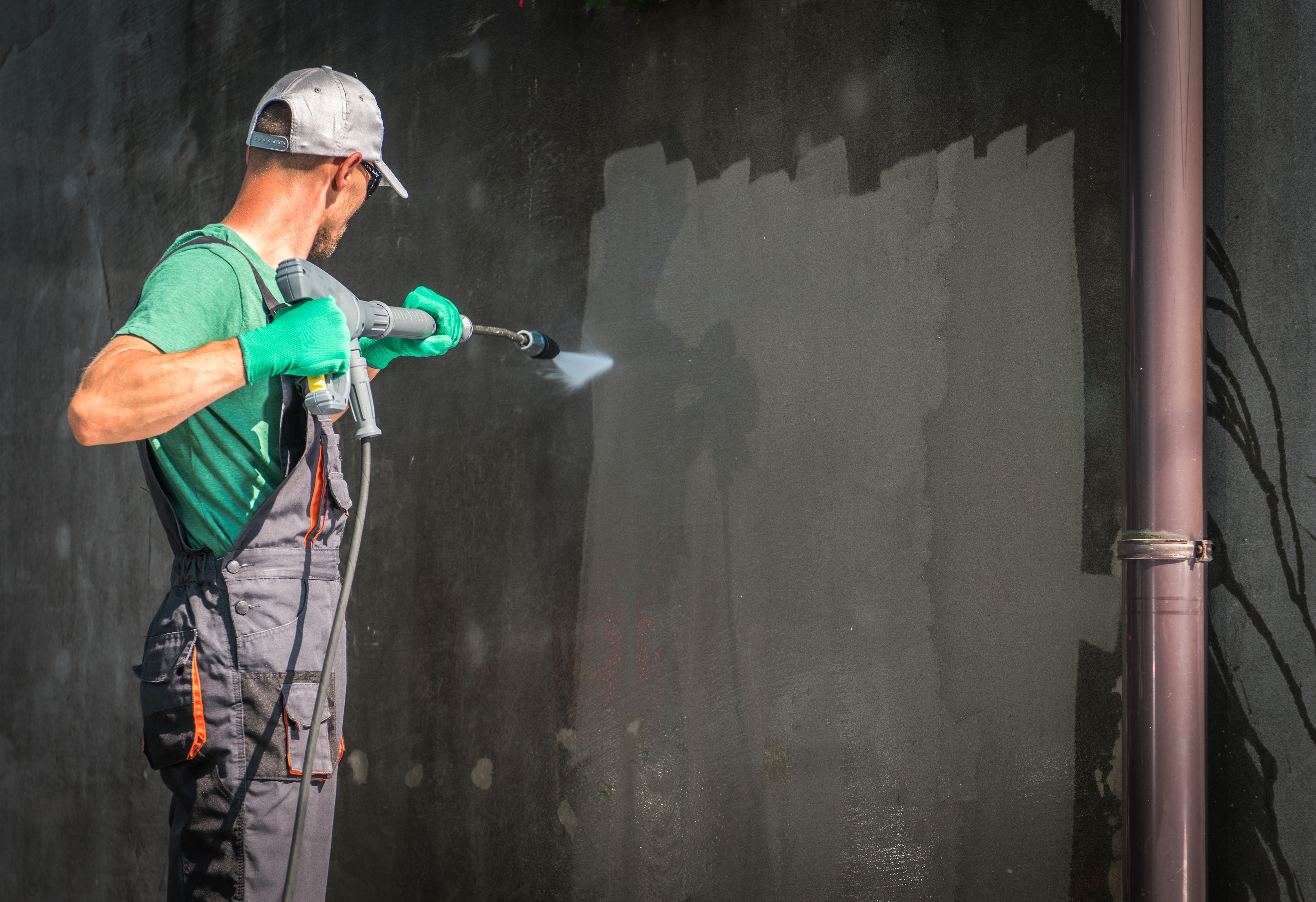
A rented pressure washer from the hardware store looks simple enough to operate—point, spray, and watch the dirt disappear. For some jobs, that's genuinely true. For others, DIY pressure washing can cause real damage or simply fail to get the results homeowners expect.
What DIY Pressure Washing Actually Requires
Beyond renting or owning the equipment, proper pressure washing requires understanding correct pressure settings for different surfaces, appropriate nozzle selection, safe technique, and often cleaning solutions for tougher stains that plain water won't fully remove.
Where DIY Can Go Wrong
Using too much pressure on delicate surfaces — painted siding, stucco, older mortar — can strip paint, crack stucco, or force water behind siding where it shouldn't go. Improper technique on wood decks can gouge or splinter the surface.
Where Professional Pressure Washing Wins
- Correct pressure and method matched to each specific surface
- Professional-grade equipment that cleans more thoroughly
- Experience recognizing which surfaces need extra care
- Access equipment for second-story siding
- Faster completion—hours rather than a full weekend
When DIY Might Make Sense
A small concrete patio or straightforward driveway with light dirt can be a reasonable DIY project. A full house wash, roof cleaning, or second-story access is where professional pressure washing clearly reduces risk.
The Real Cost Comparison
DIY saves on labor cost but requires renting equipment, learning technique on the fly, and accepting real risk of surface damage that could cost more to repair than professional cleaning would have cost.
What Equipment Rental Actually Costs
A rental pressure washer, along with specialized nozzles or cleaning solutions for tougher stains, adds up over the rental period, especially if the job takes longer than expected.
How Much Technique Actually Matters
Holding the nozzle at the correct distance and angle, moving in consistent overlapping passes, and adjusting pressure per surface all take practice — skills a professional crew has already developed.
Why Roof Cleaning Is Rarely a Good DIY Project
Beyond fall risk, standard pressure washing can lift or damage shingles and void manufacturer warranties.
What to Consider Before Renting Equipment Yourself
Factoring in rental cost, solutions, your time, and risk of damage often changes the math compared to booking a professional visit.
Why Consumer-Grade Equipment Differs From Professional Machines
Rental washers typically offer less consistent pressure control than professional-grade equipment.
How Long a DIY Attempt Realistically Takes
A homeowner unfamiliar with pressure washing often spends considerably longer on the same job than an experienced crew.
What Safety Gear Is Actually Needed
Eye protection and closed-toe footwear are genuinely necessary given the force this equipment generates.
Why Ladders and Pressure Washing Are a Risky Combination
Cleaning second-story siding from a ladder while managing a pressurized hose adds meaningful fall risk.
How DIY Cleaning Solutions Compare to Professional-Grade Products
Consumer solutions are often less concentrated than professional-grade products, meaning DIY may not achieve the same results on tough stains.
What Happens If DIY Pressure Washing Damages a Surface
Unlike an insured professional company, a DIY mistake becomes an out-of-pocket repair cost.
Why Some Homeowners Do a Hybrid Approach
Handling an open driveway themselves while hiring a pro for siding or roofing is a reasonable middle ground.

Skip the guesswork and the risk of damaging your siding, roof, or delicate surfaces with the wrong pressure or technique. Our team knows exactly which method fits each surface. Request your free pressure washing estimate for your property.

Karter & Co


