

DIY Home Repairs vs. Hiring a Handyman: What Is Worth Doing Yourself?
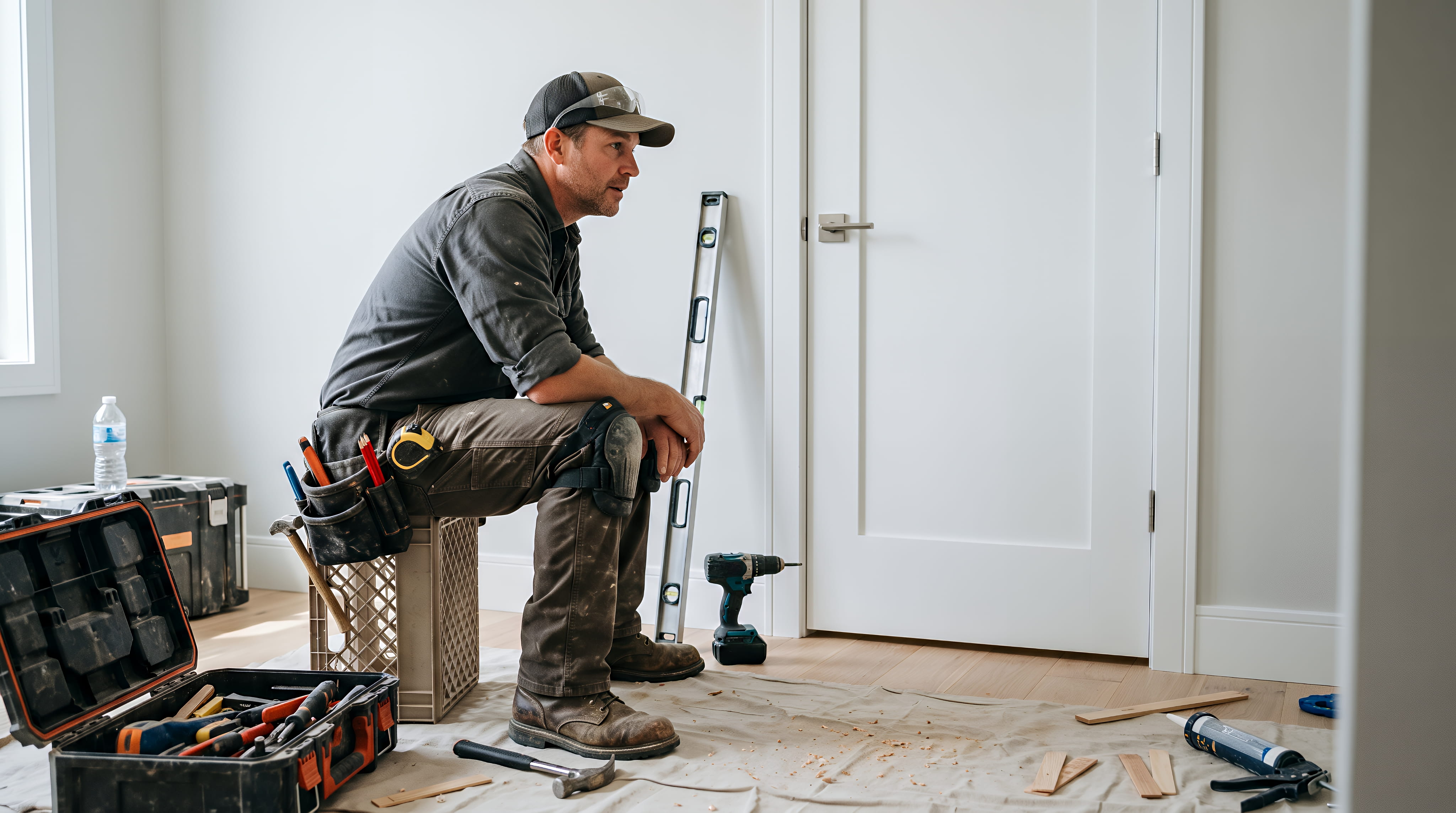
The internet has made almost every repair look easy. A few minutes of video and a trip to the hardware store, and the job seems manageable. For many small tasks, that's true. But DIY has hidden costs: time, tools, mistakes, and sometimes safety risks. The question isn't whether you're capable of learning, but whether the job is worth your time and risk. A clear-eyed look at what's sensible to DIY, and what's better handed off, helps you spend wisely.
The Real Cost of DIY
The sticker price of a DIY repair is the cost of parts. The real cost includes the tools you need to buy, the trips to the store, the hours you spend, and the cost of mistakes. A job that takes a professional an hour may take you an afternoon, and a mistake can multiply the cost. Valuing your time, and being honest about your skill, gives a more accurate comparison.
Tasks That Are Usually Fine to DIY
Many small jobs are well suited to homeowners: changing HVAC filters, replacing smoke detector batteries, tightening loose screws and hinges, patching a small nail hole, caulking a tub if you're patient, replacing a showerhead, swapping cabinet pulls, hanging a light picture, cleaning gutters from a safe position, and touching up paint. They need basic tools and little risk.
Tasks Where Experience Pays Off
Patching larger drywall holes, matching texture, installing doors, repairing trim, hanging heavy shelves or mirrors, mounting televisions, installing ceiling fans, and replacing faucets all benefit from experience. They aren't impossible, but small errors show or cause failures. A crooked shelf or a patch that cracks is annoying, and an improperly mounted television can fall.
Tasks Better Left to Professionals
Anything involving work at height, structural elements, wiring beyond simple replacements, gas, major plumbing, roofing, or hazardous materials is best left to pros. The risks include falls, shocks, fires, floods, and long-term damage. The cost of professional help is small compared with the cost of serious mistakes.
Safety Is Not Optional
Ladders cause many injuries, power tools can be dangerous, and electrical hazards are real. If you're not comfortable or properly equipped, don't take the risk. Basic safety gear, proper technique, and good judgment are non-negotiable. A professional carries the right equipment and insurance.
Tools and Materials
A DIY project often requires tools you don't own, such as a stud finder, level, drill bits, wall anchors, drywall knives, or specialty fasteners. Buying them adds cost, and using the wrong ones leads to poor results. A handyman arrives with the right tools and materials, which saves trips and frustration.
The Learning Curve
Your first drywall patch will probably look worse than your fifth. If you enjoy learning and have time, DIY can be rewarding. If you simply want the job done well, the learning curve is a cost. Be honest about whether you want the project or the result.
Time Is Valuable
A list of ten small repairs can consume a weekend. A handyman can often complete the same list in a single visit, leaving your weekend free. If your time is limited, hiring for the whole list is often worth it. Consider what else you would do with those hours.
When DIY Mistakes Become Expensive
A poorly sealed fixture can leak and damage cabinets. A patch applied over moisture can mold. A shelf mounted without anchors can pull out of the wall. Paying a professional after a failed DIY attempt costs more than hiring them at the start, because they must undo and redo the work.
Quality and Finish
Professionals know how to achieve clean finishes: neat caulk lines, flush patches, tight joints, and consistent paint. These details separate a repair that looks fine from one that disappears. If finish quality matters, especially for visible areas, hiring a pro is worthwhile.
A Hybrid Approach
Many homeowners combine approaches: they handle simple tasks themselves and hire a handyman for the rest. This balances cost and effort. A handyman can also handle the tricky parts of a project while you do the easy parts, such as painting after repairs.
Warranty and Accountability
If a professional's repair fails, they should fix it. If your DIY repair fails, you bear the cost. A warranty provides accountability and peace of mind, especially for items that matter, like fixtures that could leak or hardware that supports weight.
Insurance and Liability
Mistakes during DIY work can affect insurance claims, particularly for regulated work like electrical or plumbing. Professional work often comes with documentation and insurance coverage. If something goes wrong, those records matter.
How to Decide Quickly
Ask a few questions. Is it safe? Do I have the tools and skills? Can I afford a mistake? How much is my time worth? Is the result visible or critical? If any answer is uncertain, consider hiring help. A quick decision framework prevents regrets.
Get a Quote Before Deciding
If you're unsure, ask a handyman for a quote. Sometimes the cost is lower than you expect, especially for a batch of small tasks. Seeing the number helps you decide whether DIY is truly saving money.
Learning From a Pro
If you want to learn, ask the handyman to explain what they're doing. Many are happy to share tips, and watching a professional work can teach you techniques for future DIY projects. This can be a good way to build skills safely.
Know Your Limits
Confidence is valuable, but so is humility. If a project starts to feel beyond your skill, stop and call for help. Stopping early is far cheaper than fixing a bigger mess later.
A Simple Cost Comparison Example
Imagine a list of eight small repairs. DIY may involve buying several tools, making multiple store trips, and spending a full weekend, with some risk of redoing a few items. A handyman might complete the same list in a single visit with the right tools already on hand. When you add your time and the cost of tools and mistakes, the difference is often smaller than the parts-only price suggests.
Common DIY Mistakes by Task
When patching drywall, people often skip priming, leave ridges, or fail to match texture. When caulking, they apply too much, don't clean old caulk, or use the wrong product. When mounting items, they miss studs or choose weak anchors. When installing fixtures, they overlook weight ratings or power shutoffs. Knowing the typical pitfalls helps you judge your readiness.
Rent or Buy Tools?
For one-time jobs, renting specialty tools can make sense, but a basic kit of everyday tools pays off for general maintenance. A drill, level, stud finder, putty knives, caulk gun, and a good ladder cover many tasks. Buying specialty tools for a single job is rarely worthwhile.
If You Rent Your Home
Lease terms and landlord approval can limit what you may repair or change, and some repairs are the landlord's responsibility. Before doing anything beyond minor cosmetic fixes, check your lease and talk to your landlord. Unauthorized repairs can cause disputes or affect your deposit.
How to Learn the Right Way
If you want to build skills, start with small, low-risk projects and use reliable instructions. Learn to turn off power and water before working, to find studs, and to select the correct fasteners. Practice on scrap material when possible. Skill builds gradually, and good habits matter more than speed.
Set Realistic Time Estimates
DIY projects almost always take longer than expected, especially when you're learning. Allow time for planning, buying materials, preparing the area, doing the work, curing or drying, and cleanup. If you need the job done by a certain date, build in a cushion or consider hiring help.
What Quality Standard Do You Need?
A repair in a garage or basement may not need a flawless finish, while a living room wall deserves more care. Match the level of effort and skill to the visibility and importance of the repair. For high-visibility or high-stakes jobs, professional help is worth it.
When DIY Is a Hobby
Some people enjoy home projects, and that's a good reason to do them. If you find the work satisfying, the time spent is a benefit, not a cost. Just be honest about your limits, and call for help when a project becomes risky or discouraging.
An Example of a Smart Hybrid Project
Suppose you want to refresh a hallway. You might hire a handyman to patch the dents, repair the trim, and replace the worn light fixture, then paint the finished walls yourself. This puts professional skill where it matters most, and lets you save money on the part you can do comfortably. Many homeowners find this the best balance.
Check Your Confidence Before You Shop
Before buying supplies, ask yourself whether you've done something similar, whether you know how to do it safely, and whether you'd be comfortable if it went wrong. If the answers are shaky, get a quote first. A short conversation can save you from buying materials you never use or a repair you end up paying to redo.

Not sure whether to DIY or hire it out? Send us your list, and we'll tell you honestly which jobs are worth doing yourself and which we should handle, with a clear quote for the rest. You'll save time, avoid costly mistakes, and get results that last. Request your free handyman estimate today.

Karter & Co


