

Deck Safety: Railings, Stairs, and Ledger Boards Explained
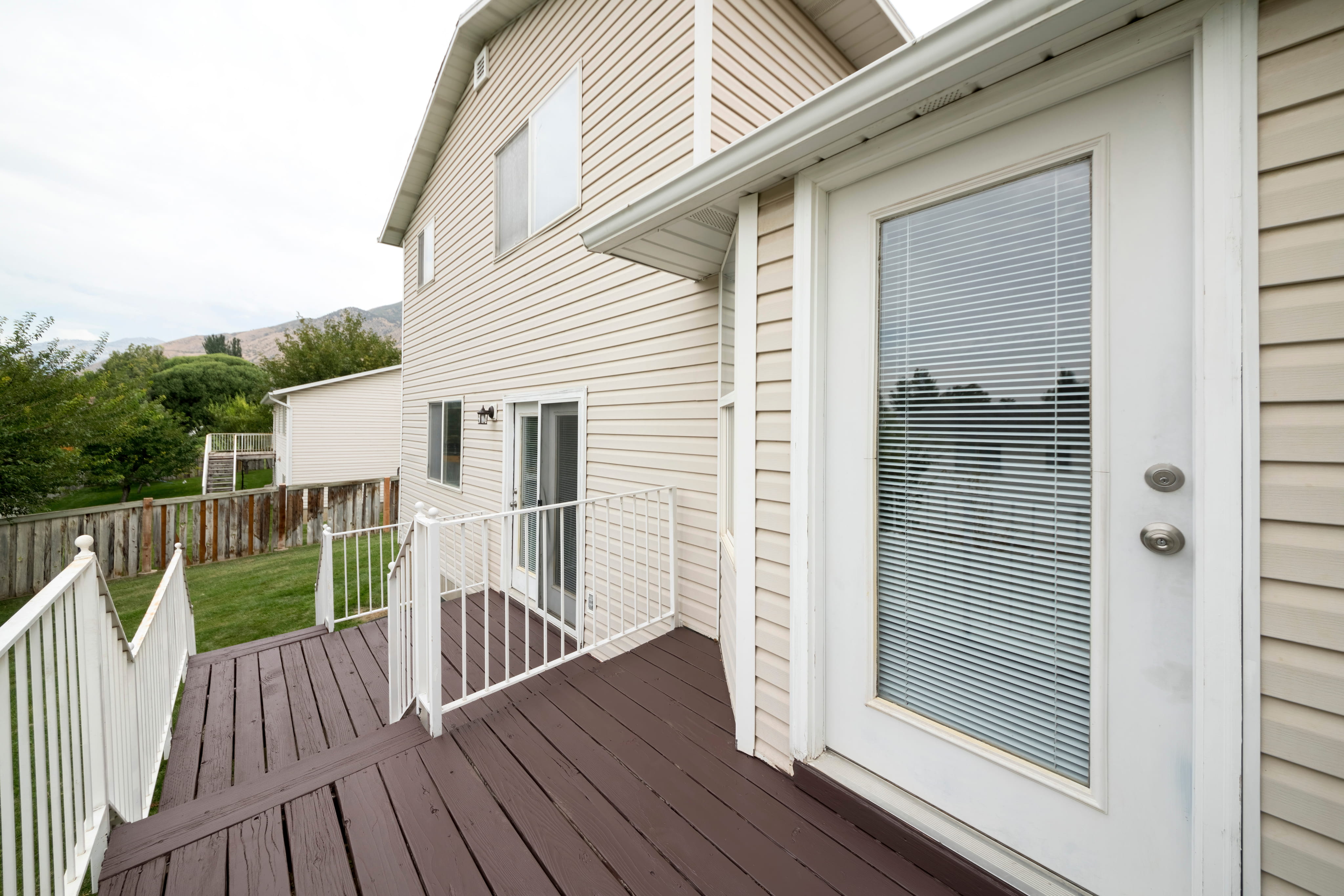
A deck should be a place where people feel relaxed, not worried. Behind the comfortable surface are specific safety elements, such as railings, stairs, and structural connections, that keep a deck safe under real-world use. Understanding them helps you evaluate a new build or an existing deck with confidence.
Why Deck Safety Gets Special Attention
Decks often hold groups of people, furniture, and heavy equipment at once, and they're exposed to weather year-round. Because failures can cause serious injury, building codes set minimum standards for structure, railings, and stairs, and inspectors check them.
Railing Height and Strength
Most codes require guardrails on decks above a certain height, with a minimum railing height and the ability to resist a significant load applied to the top rail. Posts must be properly attached to the structure, not just fastened to the surface boards. A railing that moves or flexes noticeably is a warning sign.
Baluster Spacing
Balusters, the vertical elements between posts, must be spaced closely enough to prevent small children from slipping through. Spacing requirements exist for a reason, and decorative designs should still meet them.
Stair Design
Stairs should have consistent rise and run so people don't trip, adequate tread depth, and sturdy stringers securely attached at top and bottom. Handrails are typically required on stairs with several steps. Poorly built stairs are a frequent source of falls.
The Ledger Connection
The ledger board attaches the deck to the house and carries significant load. It must be fastened with appropriate bolts or structural screws, not just nails, and it needs proper flashing to keep water from rotting the wall behind it. Failures here have caused some of the most serious deck collapses.
Footings and Posts
Footings must be sized for the load and installed to the proper depth. Posts should be correctly connected to footings and beams with appropriate hardware. Settling, leaning, or cracked posts indicate structural problems.
Hardware and Fasteners
Using the correct connectors, such as joist hangers, post bases, and corrosion-resistant fasteners, is crucial. Rusted or missing hardware weakens the structure over time.
Surface Safety
Slippery boards, protruding fasteners, and splintered wood create trip and injury hazards. Keeping the surface clean, addressing mildew, and replacing damaged boards reduces risk. Slip-resistant products can help around pools or in shaded, damp areas.
Lighting for Safe Use
Stair lights and low-level path lighting help people see steps and edges after dark. Good lighting is a simple, inexpensive safety improvement.
Load Limits and Capacity
Decks are designed for specific loads. Heavy additions like hot tubs, large planters, or outdoor kitchens need to be planned for. Overloading an older deck is a real risk.
Regular Inspection Habits
Check railings by pushing on them, look for loose fasteners, examine posts for rot, and inspect the ledger area for rust or gaps. Do this each season and after severe weather.
When to Call a Professional
If you notice movement in railings, sagging, rot, or rust at connections, have a qualified builder inspect it. It's better to catch a problem early than after an accident.

A safe deck is a well-built deck. Our team builds and inspects to meet code, with proper railings, stairs, and connections. Request your free deck building estimate and build with confidence.

Karter & Co


