

Deck Railing Styles Compared: Wood, Metal, Cable, and Glass
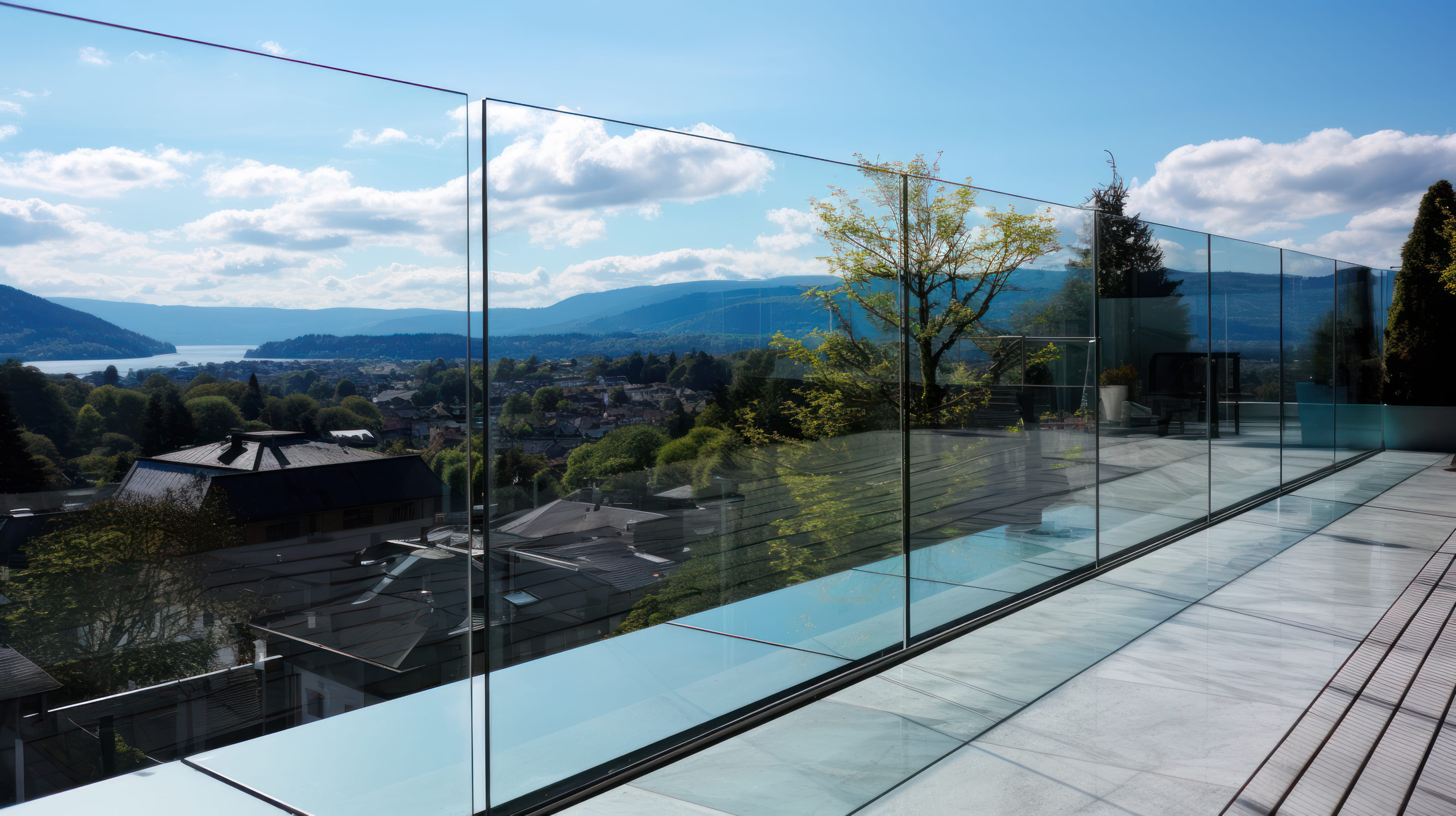
Railings do two jobs at once. They keep people safe, and they frame the look of your deck from every angle, including from inside the house. The right style balances safety requirements, appearance, maintenance, view, and cost. Because railings can make up a large share of a deck's price, understanding how the main options compare helps you choose wisely before you commit.
Safety Requirements Come First
Before style, consider the rules. Guardrails are generally required on decks above a certain height, and they must meet minimum height, strength, and spacing standards. Posts must be securely anchored to the structure, and spacing between balusters or cables must be tight enough to prevent a small child from passing through. Whatever style you choose, it should be built to meet your local requirements.
Classic Wood Railings
Wood railings are the most traditional and often the most affordable choice. They can be painted or stained to match the home and offer a warm, familiar look. Their downside is maintenance: wood needs periodic cleaning and refinishing, and posts and rails can rot, crack, or loosen if neglected. For homeowners who like real wood and don't mind upkeep, they remain a solid option.
Aluminum and Steel Railings
Metal railings are known for strength and a clean, slim profile. Aluminum resists rust and is popular for low maintenance, usually with a powder-coated finish. Steel is strong but needs protection against corrosion. Metal balusters come in many styles, from simple to ornate. Costs generally exceed basic wood but often come with long-lasting finishes that need little more than occasional washing.
Cable Railings
Cable systems use thin horizontal stainless cables between sturdy posts, creating an open, modern look that preserves views. They require careful installation, because cables must be kept tight and spacing must meet safety requirements. Posts need to be very rigid to hold the tension. Cable can be a striking choice for decks overlooking a view, though it typically costs more and demands skilled installation.
Glass Railings
Glass panels offer nearly unobstructed views and block wind while keeping the deck feeling open. They're popular on elevated decks and around pools. Tradeoffs include higher cost, the need for regular cleaning to avoid smudges and water spots, and requirements for properly rated tempered or laminated glass and secure mounting. Glass can create a sleek, high-end look when installed correctly.
Composite and Vinyl Railings
Composite and vinyl systems are designed to resist rot and need little more than washing. They often come as matched kits with posts, rails, and balusters, which simplifies installation and ensures consistent appearance. Color choices are more limited than painted wood, but quality products hold their finish well. They suit homeowners who want a low-maintenance deck without the cost of metal or glass.
Comparing Cost
Wood is typically the most economical, followed by composite and vinyl, then aluminum, with cable and glass often at the top of the range. Because railings run along the entire perimeter and stairs, the difference between styles can add up quickly. Ask for pricing on a few options so you can see how each affects the total, and decide where your budget is best spent.
Comparing Maintenance
Wood requires the most ongoing care, with regular cleaning and refinishing. Metal, composite, and vinyl generally need occasional washing. Cable systems may need periodic tension checks, and glass needs frequent cleaning to look its best. Think honestly about how much time you want to spend, because a high-maintenance railing that's neglected can quickly look worse than a simple one that's easy to keep up.
Views and Visual Weight
Thick wood balusters and solid panels can block views, while slim metal, cable, and glass keep sightlines open. If your deck overlooks a garden, water, or a scenic backdrop, consider how much of that view each style preserves. On the other hand, if privacy matters, a more solid railing or added screens might serve you better. The right balance depends on what you want to see and what you'd rather hide.
Climate and Material Performance
Sun, rain, humidity, and temperature swings affect railings differently. Wood can warp or crack in harsh sun, metal can get hot to the touch in strong sunlight, and some finishes fade with time. Coastal or very humid areas can be tough on certain metals. Ask the builder how each material performs in your climate and what finishes or products they recommend.
Posts and Attachment Matter Most
A railing is only as strong as its posts and how they're attached. Posts bolted to the framing, not just the decking, resist the force of people leaning or bumping. Hardware must be corrosion resistant, and loose or wobbly posts need prompt attention. The best-looking railing is a hazard if the connections are weak, so ask how the posts will be anchored.
Matching the Style of Your Home
A railing should feel at home with the architecture. Traditional homes often pair well with painted or stained wood and classic balusters. Modern homes may suit slim metal, cable, or glass. Matching colors with trim, siding, or window frames ties the deck into the house. Samples and photos of finished projects can help you picture the result before you decide.
Mixing Materials for Balance
You don't have to use one material everywhere. Some homeowners combine composite or metal railing sections with wood top rails or post caps, or use cable on the view side and a more solid style elsewhere. Mixing can balance cost, appearance, and function, though the pieces should be designed to work together so the result looks intentional.
Children, Pets, and Everyday Use
If you have small children or pets, baluster spacing and climbability matter. Horizontal rails can sometimes act like ladders for climbers, and gaps that seem small to adults can be large enough for a pet to squeeze through. Consider who will use the deck most often and choose a design that suits them, while still meeting code requirements.
Questions to Ask Before You Choose
What are the local requirements for height and spacing? How will the posts be attached? What finish and warranty come with each product? How much maintenance will it need? How does the cost compare across options? A builder who answers these clearly can help you choose a railing that looks great and keeps your family safe.

Not sure which railing fits your deck, budget, and view? We'll show you real samples, explain the tradeoffs, and price a few options side by side. Request your free deck building estimate and choose with confidence.

Karter & Co


